The debate over consumer credit regulation has moved sharply into the aviation spotlight after Delta Air Lines CEO Ed Bastian issued a stark warning about a proposal associated with former President Donald Trump to temporarily cap US credit card interest rates. At the center of the controversy is a suggested one-year limit on annual percentage rates at 10 percent, a move that airline leaders say could unintentionally destabilize the financial ecosystem underpinning modern airline loyalty programs. While framed as short-term consumer relief, the idea has triggered unease across both the airline and banking industries, where credit cards are no longer peripheral tools but foundational revenue engines.
Airlines today are deeply intertwined with consumer finance, particularly through co-branded credit cards that transform everyday spending into frequent-flyer miles and elite perks. Bastian’s comments underscore how sensitive that relationship has become. A sudden restriction on interest income, even if temporary, threatens to ripple through credit availability, reward structures, and ultimately traveler behavior. For airlines like Delta, the concern is not theoretical; loyalty programs now represent one of the most stable and lucrative segments of their business models.
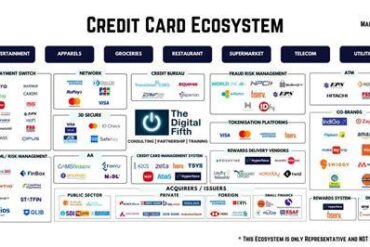
For decades, airline loyalty programs were viewed primarily as marketing incentives designed to encourage repeat bookings. That perception has changed dramatically. Co-branded credit card partnerships with major banks generate billions of dollars annually, often rivaling or surpassing the profitability of passenger ticket sales themselves. Banks purchase miles in bulk, paying airlines upfront in exchange for the ability to offer cardholders rewards tied to travel. Those payments provide airlines with predictable cash flow that helps offset fuel volatility, labor costs, and economic downturns.

A cap on interest rates would strike at the core funding mechanism that makes these partnerships viable. Credit card issuers rely heavily on interest income from cardholders who carry balances, as well as interchange fees, to finance generous sign-up bonuses and ongoing rewards. If margins are compressed by regulation, banks may have little choice but to reassess how much credit they extend and what benefits they can sustainably offer. Airline executives argue this would not simply trim excess; it would reshape the entire rewards economy.
Bastian has emphasized that the proposed cap could paradoxically harm the very consumers it aims to protect. Lower-income and higher-risk borrowers, who are more likely to carry balances, could see credit access reduced altogether as lenders tighten approval standards. In his view, restricting interest rates does not eliminate risk; it redistributes it in ways that could exclude millions of consumers from mainstream credit products. That contraction would reduce spending, weaken travel demand, and erode the loyalty pipelines airlines depend on.
The timing of the proposal adds another layer of complexity. While details about implementation, congressional approval, and enforcement remain unclear, the mere discussion has already introduced uncertainty into long-term planning. Airlines negotiate multi-year agreements with banks, often involving intricate forecasts of consumer behavior and regulatory stability. Even a one-year disruption could force renegotiations, deferred investments, or more conservative reward structures designed to hedge against policy volatility.
Travelers are likely to feel the impact first through subtle but meaningful changes. Over the past several years, frequent-flyer programs have quietly increased award prices, limited seat availability, and shifted toward dynamic pricing models. A reduction in credit card funding could accelerate these trends. Sign-up bonuses may shrink, earning rates could slow, and redemption thresholds may rise, making it harder for consumers to extract the same value from everyday spending. What appears on the surface as a banking policy could therefore alter how millions plan vacations, business trips, and family travel.
Supporters of the interest rate cap argue that temporary limits could provide breathing room for households struggling with high borrowing costs. However, critics counter that artificially low caps often lead to unintended consequences, including reduced lending and the proliferation of fees elsewhere. From the airline perspective, the concern is not ideological but structural. Loyalty programs have evolved into complex financial instruments, and sudden regulatory shifts risk breaking carefully balanced incentive systems.
Financial markets have taken note. Airline and banking stocks have shown sensitivity to headlines surrounding the proposal, reflecting investor uncertainty about future revenue streams. Analysts warn that prolonged ambiguity alone can influence corporate behavior, encouraging more cautious strategies that ultimately reduce consumer choice. Airlines may explore alternative revenue sources, but replacing the scale and stability of credit card partnerships would be neither quick nor simple.
Historically, sweeping changes to credit regulation have reshaped consumer behavior in lasting ways. Even if the proposed cap were to expire after one year, its effects on loyalty economics could persist far longer. Airlines might permanently recalibrate rewards, banks could redesign card portfolios, and travelers may find that the golden age of easy miles has quietly passed. Bastian’s warning is therefore less about a single policy and more about safeguarding an interconnected system that has become central to modern air travel.
As lawmakers, markets, and industry leaders continue to weigh the proposal, one reality is clear: airline loyalty programs are no longer side businesses. They are financial pillars, and any policy that disrupts credit card economics will inevitably reshape the future of air travel rewards.