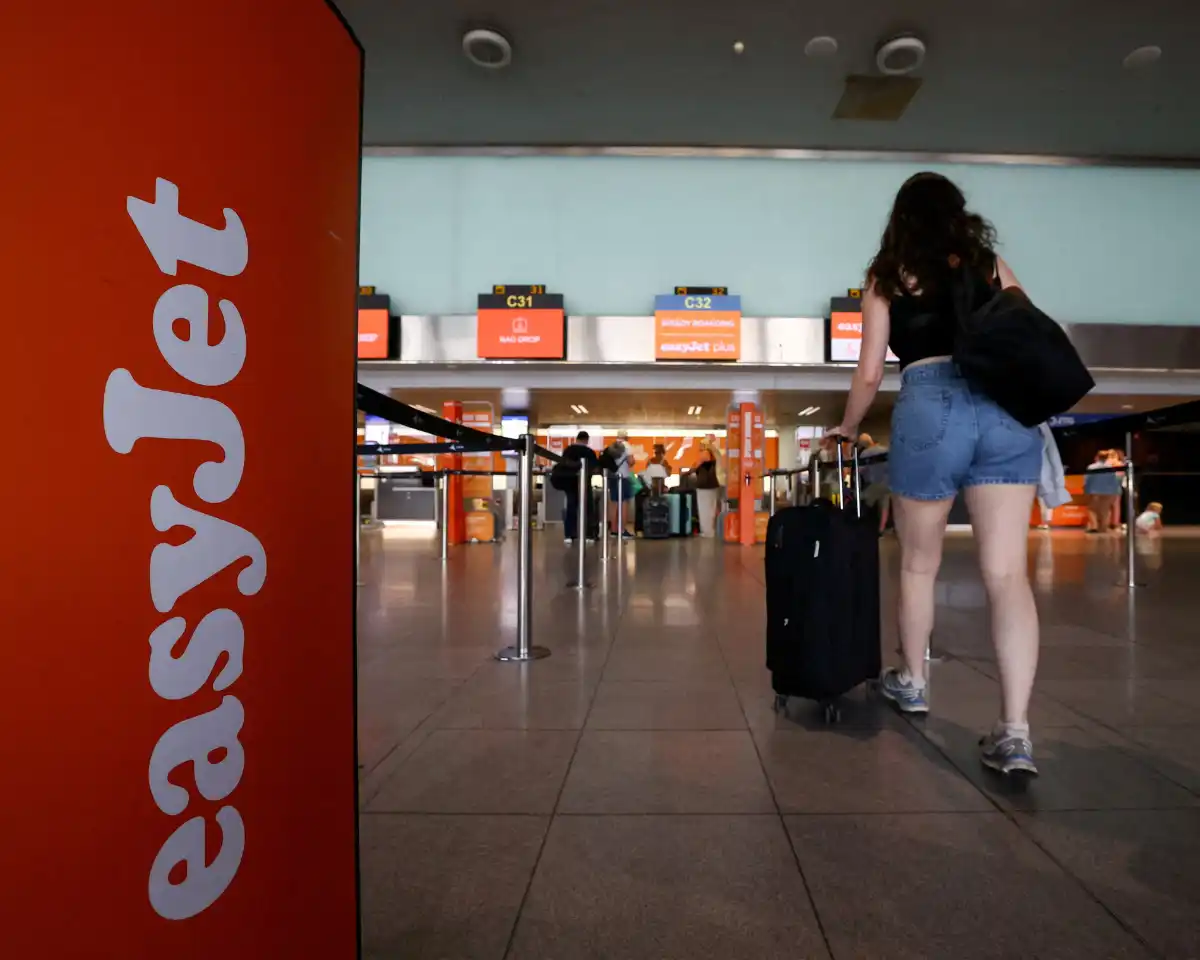
The battle over cabin baggage has erupted into one of the most consequential policy fights in European aviation. easyJet CEO Kenton Jarvis has issued a stark warning that a newly approved European Parliament proposal guaranteeing free carry-on bags could fundamentally undermine the low-cost airline model. His message is blunt: force airlines to include cabin baggage in every ticket, and the era of ultra-cheap flights quietly disappears.
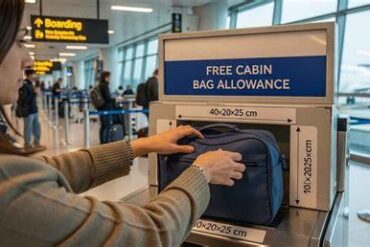
At the heart of the controversy is a revised EU air passenger rights package that would entitle every traveler to bring one personal item and one small carry-on bag into the cabin at no extra charge. The proposal defines the carry-on with a combined dimension limit of 100 centimeters and a weight cap of seven kilograms, aligning it with what many airlines already sell as a paid option. While consumer groups have celebrated the move as a long-overdue correction, Europe’s budget airlines see it as a structural threat.
Jarvis has not softened his language. He argues that the rule reflects a profound misunderstanding of how low-cost carriers function, calling it “crazy European legislation” that ignores both economics and physics. The economics are straightforward: ultra-low base fares exist because optional services are unbundled. The physics are less forgiving: aircraft cabins have finite space, and overhead bins cannot magically expand to accommodate everyone’s bag.
The proposal still requires approval from the European Council, but the parliamentary vote alone has already sent shockwaves through the industry. If enacted, it would apply to all EU-based airlines and to flights departing from or arriving at EU airports, placing easyJet squarely in the crosshairs across most of its network.
Why Carry-On Fees Power the Low-Cost Airline Model
Low-cost airlines are often misunderstood as merely selling cheap tickets. In reality, they sell choice. Passengers who want nothing beyond a seat can pay remarkably low fares, while those who want bags, seat selection, or priority boarding subsidize that price through add-ons.
For easyJet, this model is not marginal—it is central. The airline generates more than $3.4 billion annually in ancillary revenue, with baggage fees as the single largest contributor. On average, easyJet earns roughly $30 per seat from optional extras. Remove or cap one of the biggest levers, and the shortfall does not vanish; it migrates into the base fare.
Jarvis has been explicit that airlines would have no choice but to pass the added cost on to passengers. His estimate is sobering: mandatory free carry-on could drive fares up by as much as 25%, erasing the psychological and practical appeal of ultra-cheap tickets for millions of travelers.
Cabin Space, Congestion, and the Risk of More Delays
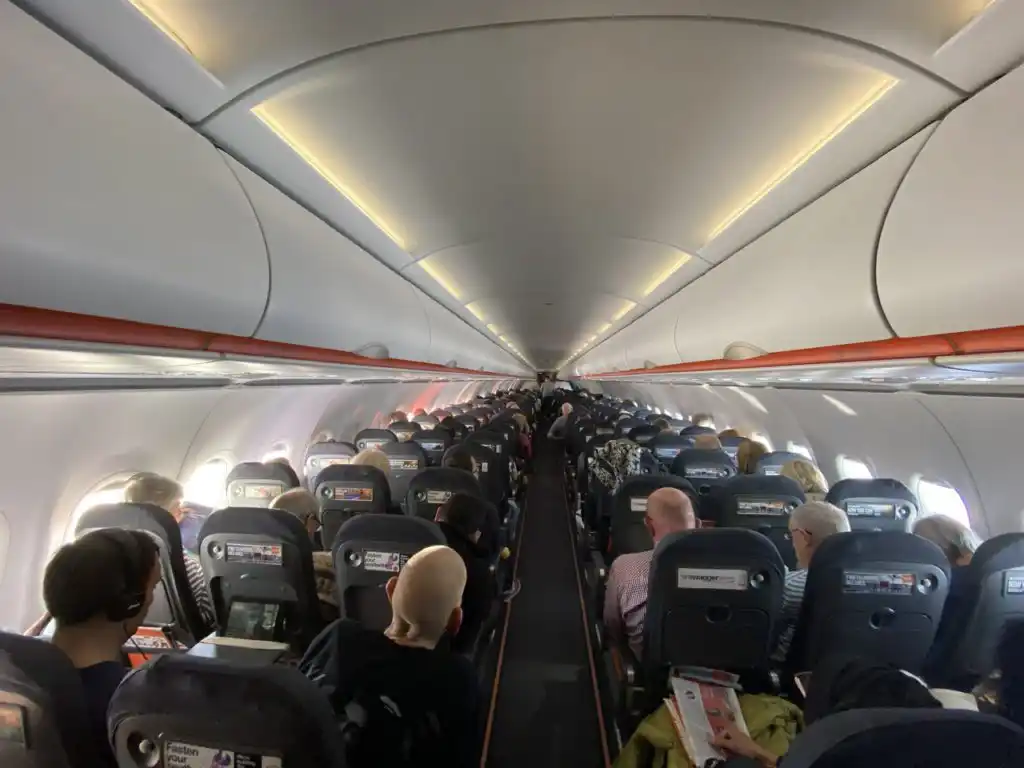
Beyond pricing, easyJet’s CEO highlights a less discussed but equally serious consequence: operational chaos. Modern narrow-body aircraft cabins are designed around the assumption that only about two-thirds of passengers will bring a standard cabin bag. That assumption shapes bin size, boarding procedures, and turnaround times.
If every passenger suddenly has the right to a carry-on, the math collapses. Bags would inevitably spill over into the hold, forcing gate checks on a routine basis. Each gate-checked bag adds friction, time, and cost. Boarding slows. Turnarounds lengthen. Delays ripple across tightly scheduled networks.
Jarvis argues that this is where the policy becomes self-defeating. Passengers may gain a theoretical right to a free bag, but in practice many would wait longer at both ends of their journey—at departure gates and at baggage carousels—undermining the efficiency that made short-haul flying attractive in the first place.
The Price of “Free” and the Reality of Bag Fees
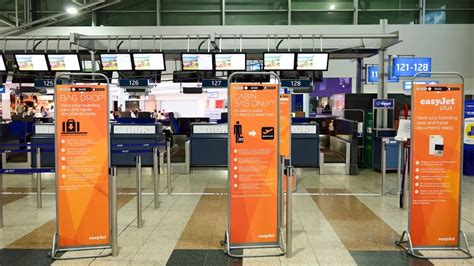
The debate has also reopened scrutiny of how baggage fees are presented to consumers. easyJet advertises extra cabin bags from £5.99, but investigations by regulators and consumer groups have found that the typical price paid is far higher. Research by Which? suggests average bag fees closer to £30, with larger bags often exceeding £23 even at the lowest quoted rates.
These figures have fueled political support for intervention. Yet critics of the new rule argue that abolishing visible fees does not eliminate costs; it simply redistributes them. According to industry estimates, the average easyJet fare of roughly £64 could climb toward £80 if the mandate takes effect, meaning passengers who travel light would end up subsidizing those who do not.
A Defining Moment for Europe’s Budget Airlines
What makes this fight unusually intense is its symbolic weight. The unbundled fare model has reshaped European travel for two decades, turning flying into an everyday mode of transport rather than a luxury. Jarvis’s warning is not about corporate inconvenience; it is about whether regulation can coexist with that transformation.
Supporters of the rule frame it as fairness and transparency. Opponents see a blunt instrument that sacrifices efficiency and choice in pursuit of uniformity. If the European Council approves the measure, the low-cost sector will adapt, but it will not look the same. Ultra-cheap fares will become rarer, cabins more crowded, and the line between budget and full-service airlines increasingly blurred.
In that sense, the carry-on debate is about more than bags. It is about who decides how flying works in Europe—and what passengers are willing to pay when “free” comes with a higher ticket price baked in.