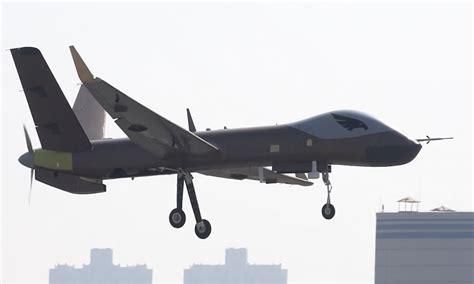
The rapid evolution of warfare technology, particularly the widespread use of inexpensive drones, is forcing military planners worldwide to rethink their strategies and investments. One of the most striking examples of this shift has come from the U.S. military’s recent evaluations of expensive weapons systems in light of the threat posed by cheap, commercially available drones. Army Secretary Daniel Driscoll’s remarks on the matter have sparked a major conversation on the future of defense spending and the viability of advanced military equipment in an era of low-cost but highly effective drone technology.
The Rising Threat of Cheap Drones in Modern Warfare
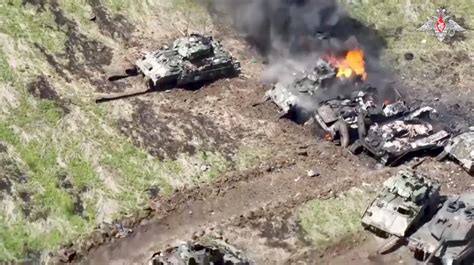
In the ongoing conflict between Russia and Ukraine, the vulnerability of traditional high-cost military equipment to relatively cheap drones has become increasingly apparent. From tanks to warships, many of the most advanced and expensive weapons systems have been destroyed or heavily damaged by drones that cost a fraction of their price. These drones are typically armed with explosive payloads or capable of delivering precision strikes that compromise the effectiveness of even the most sophisticated systems.
The concern is not unfounded. According to reports, Russia alone has manufactured an estimated 1.5 million drones in the last year, and other nations are rapidly ramping up production. The U.S. military, with its massive budget and focus on cutting-edge technologies, is now being forced to grapple with the reality that its multimillion-dollar investments could be rendered obsolete by devices that cost just a few hundred dollars.
Cost vs. Efficiency: A Delicate Balance in Defense Spending
Army Secretary Daniel Driscoll recently highlighted the alarming gap between the cost of modern weaponry and its susceptibility to cheap drones. During an interview on the War on the Rocks podcast, Driscoll made it clear that the U.S. military could no longer afford to produce and maintain expensive weapons systems that are vulnerable to drones, many of which are produced at a fraction of the cost. He remarked, “We keep creating and purchasing these exquisite machines that very cheap drones can take out,” emphasizing the imbalance in the cost-benefit analysis of advanced weaponry.
Driscoll continued, stating, “We are the wealthiest nation, perhaps in the history of the world, but even we can’t sustain a couple-million-dollar piece of equipment that can be taken out with an $800 drone and munition.” This statement underscores a significant dilemma for military planners as they strive to balance technological innovation with strategic cost-effectiveness.
The Role of Drones in the Ukraine Conflict
The use of drones in Ukraine has provided a clear demonstration of their effectiveness against heavily armored vehicles and other military infrastructure. Ukrainian forces have used drones to target Russian tanks, air defense systems, and even warships. These relatively inexpensive devices have leveled the playing field, allowing smaller, more agile forces to inflict significant damage on larger, more expensive military assets.
In particular, Russian drones have been a major concern for U.S. military leaders. Tanks, like the M1 Abrams—which costs approximately $10 million—are vulnerable to precision strikes from low-cost drones carrying explosive payloads. The Ukrainian military has attempted to mitigate this threat by outfitting its Abrams tanks with additional armor and countermeasures, but such solutions are not perfect. As armored vehicle losses continue to climb, both sides are faced with the increasing challenge of protecting these highly valuable assets from the growing drone threat.
The Vulnerability of Modern Military Equipment
The vulnerability of modern military equipment to drones is not limited to ground vehicles. Naval assets are equally at risk. Ukrainian forces have demonstrated the capability of naval drones, which are packed with explosives and have been used to target Russia’s Black Sea Fleet. In one notable instance, these drones were even equipped with the ability to launch missiles, further compounding the threat they pose to traditional military assets.
In an even more remarkable development, Ukrainian drones recently succeeded in downing two of Russia’s $50 million Su-30 fighter jets. This incident highlights the growing reach and effectiveness of drones, not only against ground-based targets but also in the air. As drones continue to evolve, their potential to undermine decades of military innovation becomes ever more pronounced.
Global Impact: The Strategic Shift Toward Drone Warfare
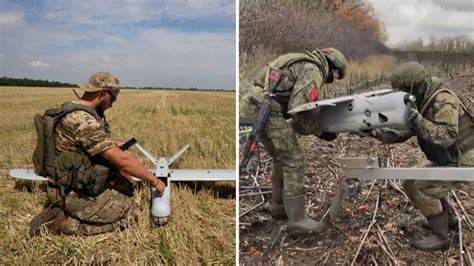
The implications of the growing drone threat are not confined to the battlefield in Ukraine. Globally, military experts are reevaluating the role of traditional weapons systems in the face of drone proliferation. The use of drones in modern warfare is not a passing trend; it represents a fundamental shift in the way wars will be fought in the future.
As the U.S. military assesses the implications of these developments, one thing has become clear: the cost of war will no longer be measured by the price of a single weapon or platform. Instead, military strategists will need to factor in the efficiency of systems in the face of evolving threats like drones. With the capability to disable or destroy much of the most expensive equipment at a fraction of the cost, drones represent a highly disruptive force that will force governments to rethink their defense budgets and priorities.
The Future of U.S. Military Investments
In the face of the growing drone threat, U.S. military leadership is exploring new avenues to adapt to this evolving battlefield. Rather than continuing to invest heavily in traditional weapons systems like robotic combat vehicles (RCVs) and tanks that are vulnerable to drones, the military may increasingly focus on technologies that can better defend against these threats. Counter-drone systems, which use a variety of technologies—such as jammers, interceptors, and directed energy weapons—are becoming a key part of defense strategies. These systems could provide a more cost-effective and sustainable solution to the problem posed by cheap drones.
Additionally, as military leaders like Army Secretary Driscoll have pointed out, the future of combat may require a greater emphasis on agility, adaptability, and cost-effectiveness. The development of drones by the U.S. military itself is already underway, with efforts to enhance the country’s own drone capabilities, both in terms of offensive and defensive strategies.
Conclusion: The Need for a New Paradigm in Military Defense
The rise of cheap drones has presented a major challenge to traditional military strategies. As the U.S. military reassesses its future investments, the focus may need to shift from high-cost, vulnerable systems to more versatile, low-cost, and adaptable solutions. Drones are reshaping the future of warfare, and it is clear that the U.S. military, along with other global forces, must evolve to meet this new reality. In this age of asymmetric warfare, the ability to adapt to rapidly changing technologies will be a defining factor in military success. While traditional military equipment will always play a role, the future will likely be dominated by technologies that offer a greater return on investment, such as drones and counter-drone systems.