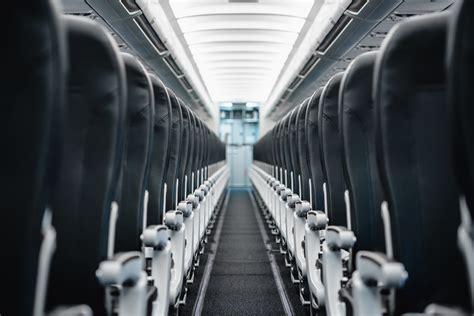
The global airline industry is undergoing a subtle but powerful transformation. Instead of rushing to replace aging fleets with factory-fresh aircraft, many carriers are channeling billions into cabin interior upgrades. At first glance, this might seem counterintuitive in an industry historically obsessed with new technology and next-generation airframes. Yet the logic behind this shift is not only compelling—it is reshaping how airlines compete, operate, and generate revenue.
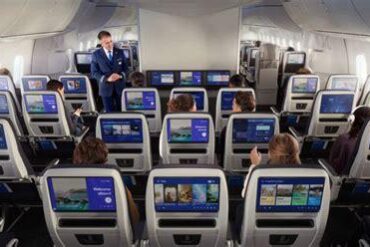
What matters most to passengers has evolved. The booking decision is rarely influenced by the manufacturing date of an aircraft; it is driven by seat comfort, in-flight entertainment, connectivity, and overall cabin ambiance. Airlines have recognized this behavioral shift and are responding with precision. A well-executed retrofit can transform a decade-old aircraft into a product that feels modern, competitive, and even premium.
The numbers reinforce this trend. Industry projections suggest the aircraft cabin interior market will grow from $36 billion in 2025 to over $50 billion by 2035, underscoring how central cabin upgrades have become to airline strategy. This is not a temporary adjustment—it is a structural shift in how airlines allocate capital and deliver value.
Cost Efficiency: Maximizing Value Without Massive Capital Outlay
Replacing an aircraft is one of the most expensive decisions an airline can make. A single widebody jet can cost hundreds of millions of dollars, not including financing, training, and operational integration. In contrast, a cabin retrofit program offers a far more controlled and scalable investment.
Airlines can choose exactly how deep they want to go. Some opt for cosmetic refreshes—new seat covers, carpets, and lighting—while others undertake full cabin reconfigurations, installing new seats, galleys, lavatories, and entertainment systems. This flexibility allows carriers to allocate capital with surgical precision, focusing only on areas that directly impact revenue and passenger satisfaction.
The economic advantages extend beyond upfront costs. Modern cabin components are often lighter, more energy-efficient, and easier to maintain. Lighter seats reduce overall aircraft weight, which translates into lower fuel burn. LED lighting systems consume less power and have longer lifespans, cutting maintenance expenses. Over time, these incremental savings compound into meaningful operational gains.
What emerges is a compelling equation: airlines can achieve significant product improvement and cost savings simultaneously, without committing to the financial burden of new aircraft acquisition. In an industry defined by thin margins, that balance is invaluable.
Delivery Delays: When New Aircraft Simply Aren’t Available
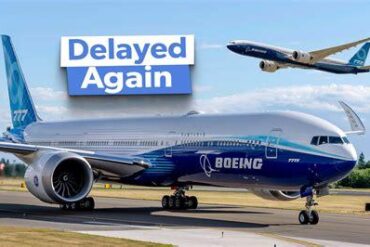
Even if airlines wanted to replace their fleets rapidly, the reality of the supply chain often prevents it. Aircraft delivery delays have become a defining challenge for the industry, driven by manufacturing bottlenecks, labor shortages, and component constraints affecting both Boeing and Airbus.
These delays are not minor inconveniences—they have tangible financial consequences. Airlines are forced to operate older aircraft longer than planned, incurring higher maintenance costs and missing out on fuel efficiency gains promised by newer models. Industry estimates suggest that supply chain disruptions are costing airlines billions annually.
Faced with this uncertainty, airlines are turning to cabin retrofits as a practical workaround. Instead of waiting years for new aircraft deliveries, they upgrade existing fleets to maintain competitive standards. This approach ensures that passengers still experience modern cabins, even if the underlying airframe is older.
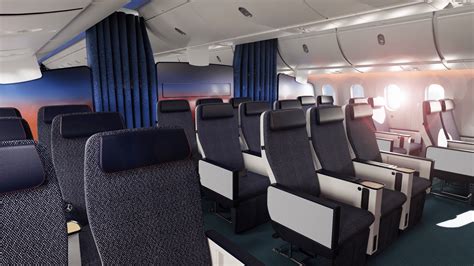
The strategy is particularly evident in widebody aircraft like the Boeing 777-300ER, which remains a backbone of long-haul fleets worldwide. Rather than phasing these aircraft out prematurely, airlines are investing heavily in refurbishing them—installing new business class suites, adding premium economy cabins, and upgrading connectivity.
In this context, retrofitting is not just a cost-saving measure. It becomes a strategic necessity, enabling airlines to bridge the gap between current operational needs and uncertain future deliveries.
Sustainability Goals: Reducing Emissions Through Smarter Interiors
Sustainability has become a central pillar of airline strategy, and cabin upgrades play a surprisingly important role in achieving environmental targets. While new aircraft offer the most dramatic improvements in fuel efficiency, they are not always immediately accessible. Retrofits provide a near-term, scalable solution.
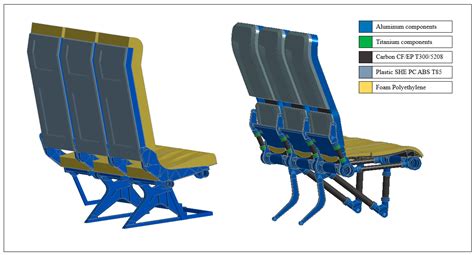
One of the most effective ways to reduce emissions is by lowering aircraft weight. Airlines are increasingly adopting lightweight seating, composite materials, and optimized cabin layouts. Even small reductions in weight can lead to measurable decreases in fuel consumption across thousands of flights.
Beyond weight savings, sustainability extends to materials and lifecycle management. Cabin interiors are replaced multiple times over an aircraft’s lifespan, making them a significant factor in overall environmental impact. Airlines are now prioritizing recyclable materials, reusable components, and sustainable manufacturing processes.
Some carriers are going further by integrating circular economy principles into their retrofit programs. Components are refurbished, repurposed, or recycled wherever possible, reducing waste and minimizing the environmental footprint of upgrades.
This approach allows airlines to demonstrate tangible progress toward sustainability goals without waiting for fleet renewal cycles. It also aligns with growing passenger expectations, as travelers become more conscious of the environmental impact of air travel.
Passenger Experience and Revenue: Turning Cabins Into Profit Engines
Cabin interiors are no longer just functional spaces—they are strategic revenue platforms. Every element, from seat design to connectivity, influences how much passengers are willing to pay and how often they choose a particular airline.
Modern retrofit programs often include the introduction of premium economy cabins, redesigned business class suites, and upgraded economy seating. These changes enable airlines to segment their offerings more effectively and capture higher yields from different passenger groups.
In-flight entertainment and connectivity have also become critical differentiators. High-speed Wi-Fi, larger screens, and personalized content systems enhance the passenger experience while opening new revenue streams through e-commerce, advertising, and premium digital services.
The psychological impact of a refreshed cabin should not be underestimated. A well-designed interior can make an aircraft feel entirely new, influencing passenger perception and brand loyalty. Travelers are far more likely to remember comfort, privacy, and ambiance than the technical specifications of the aircraft itself.
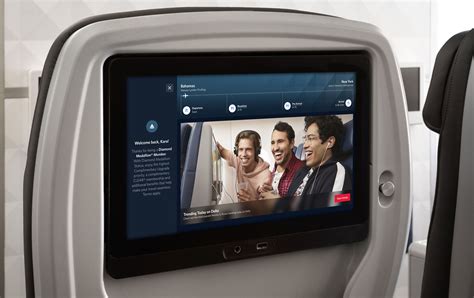
This is especially important on long-haul routes, where competition is intense and product quality directly affects purchasing decisions. Airlines that invest in superior cabin experiences can command premium pricing, attract high-value customers, and strengthen their competitive positioning.
Ultimately, the cabin becomes one of the most powerful tools an airline has to differentiate itself and drive profitability—often more immediately and effectively than fleet replacement.
Maintenance Synergy: Upgrading During Scheduled Downtime
Aircraft maintenance is unavoidable. Every plane must undergo regular checks, ranging from routine inspections to comprehensive overhauls. Airlines have learned to leverage these mandatory events as opportunities to implement cabin upgrades with minimal additional disruption.
By aligning retrofit programs with scheduled maintenance, carriers can avoid taking aircraft out of service solely for upgrades. This approach reduces downtime, optimizes labor utilization, and streamlines logistics. It is a practical example of operational efficiency in action.
The timing is not always perfect. Cabin components and maintenance cycles do not always align neatly, but when they do, the benefits are substantial. Airlines can effectively combine technical maintenance with commercial enhancement, turning a necessary operational pause into a strategic upgrade.
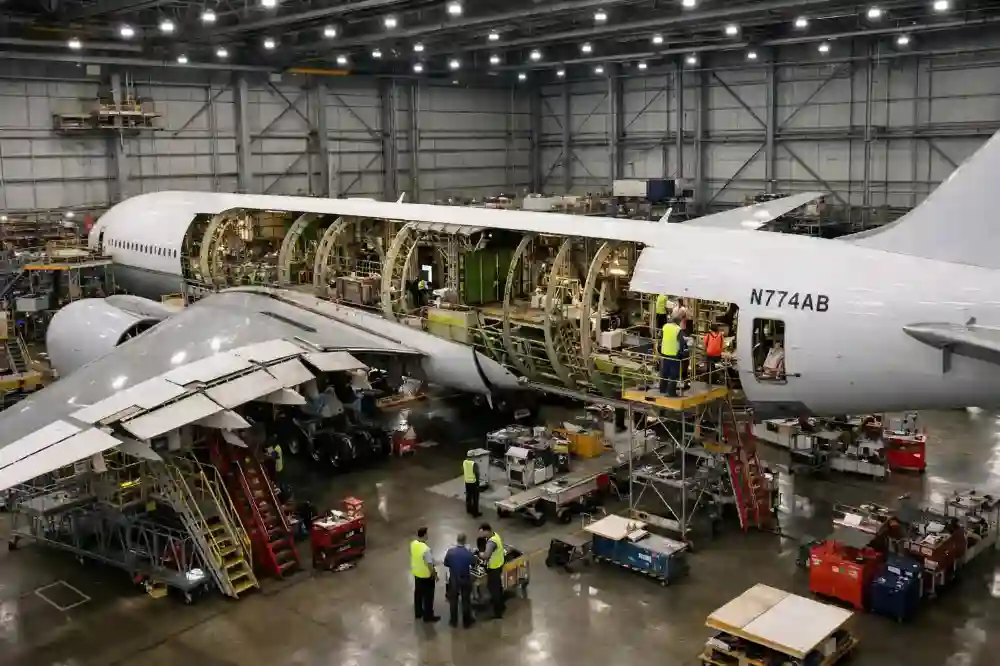
This strategy is already being implemented by major carriers undertaking large-scale fleet refurbishments. By integrating cabin upgrades into heavy maintenance schedules, they achieve a dual objective: ensuring airworthiness while simultaneously improving the passenger experience.
The result is a more efficient use of resources and a faster return on investment. Instead of treating maintenance and upgrades as separate processes, airlines are merging them into a unified, value-driven workflow.
A New Definition of “New”: Rethinking Aircraft Modernization
The traditional definition of a “new” aircraft is being quietly redefined. For decades, newness was synonymous with factory delivery—a pristine airframe equipped with the latest technology. Today, that definition is shifting toward passenger-facing innovation.
An older aircraft with a fully modernized cabin can deliver an experience that rivals—or even surpasses—that of a newly delivered jet with a standard interior. This shift reflects a deeper understanding of what passengers truly value.
Airlines are not ignoring fleet renewal altogether. New aircraft still play a crucial role in long-term strategy, particularly for improving fuel efficiency and expanding network capabilities. However, the urgency to replace existing aircraft has diminished, replaced by a more nuanced approach that balances capital discipline, operational flexibility, and customer experience.
This evolution is also influencing how airlines plan their fleets. Instead of viewing aircraft as static assets, they are increasingly treated as adaptable platforms, capable of being refreshed and reconfigured multiple times throughout their lifecycle.
Conclusion: Cabin Upgrades as the Airline Industry’s Strategic Sweet Spot
The growing preference for cabin upgrades over aircraft replacement is not a temporary trend—it is a reflection of deeper structural changes within the aviation industry. Faced with financial constraints, supply chain challenges, and evolving passenger expectations, airlines are making smarter, more targeted investments.
Cabin retrofits offer a rare combination of advantages: lower costs, faster implementation, improved sustainability, enhanced passenger experience, and increased revenue potential. Few strategies deliver such a broad spectrum of benefits with relatively manageable risk.
As the industry continues to evolve, the cabin will remain at the center of competitive differentiation. It is where airlines tell their brand story, capture customer loyalty, and generate incremental revenue. In many ways, it is the most visible—and most influential—part of the entire operation.
The aircraft itself may still matter, but for passengers and airlines alike, the real transformation is happening inside the cabin.