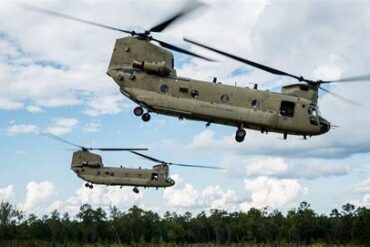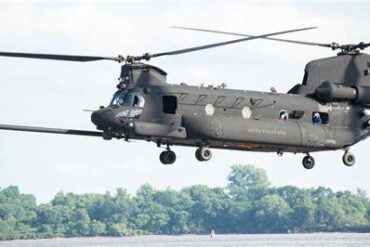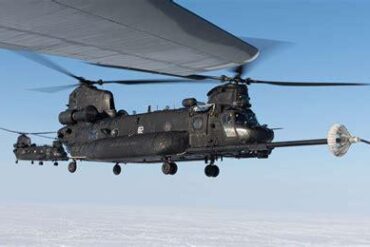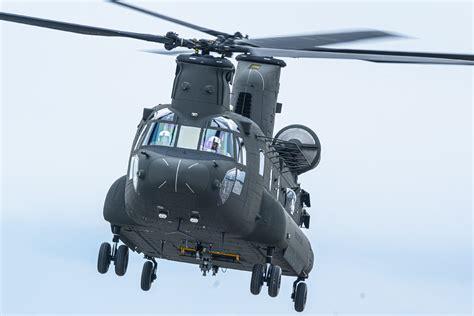
The U.S. Army’s latest $324 million contract for six additional Boeing CH-47F Block II Chinook helicopters is more than a routine procurement notice. It is a clear signal that one of the world’s oldest military rotorcraft designs remains essential to modern warfare. In an era shaped by contested supply lines, long-range operations, and rising pressure in the Indo-Pacific, the Army is investing in an aircraft built to move heavy loads quickly, reliably, and under threat.
The April 2026 award increases the total number of Block II Chinooks under contract to 24 aircraft, reinforcing the Army’s strategy of gradual but deliberate purchases. Instead of waiting for an all-new heavy-lift platform that may take decades to mature, the service is modernizing a proven aircraft that has already demonstrated its value from Vietnam to Afghanistan.
For Boeing, the contract also helps sustain production at the company’s long-running Ridley Park, Pennsylvania facility. For the Army, it buys capability now—not years from now.
Why the Army Keeps Buying Chinooks
Military procurement often rewards new technology, but logistics punishes bad decisions. Armies still need fuel, ammunition, artillery, vehicles, medical equipment, and troops moved fast across difficult terrain. Few aircraft perform that mission better than the CH-47 Chinook.
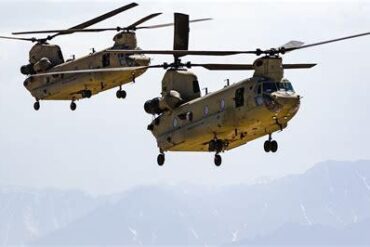
Its tandem-rotor design gives it a major advantage. With two large counter-rotating rotors, the Chinook does not need a tail rotor. That means more engine power can be directed toward lift instead of stability. The result is a helicopter capable of carrying loads that smaller utility helicopters cannot approach.
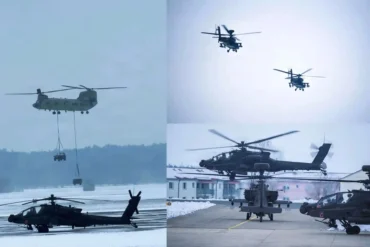
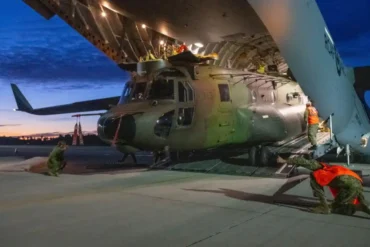
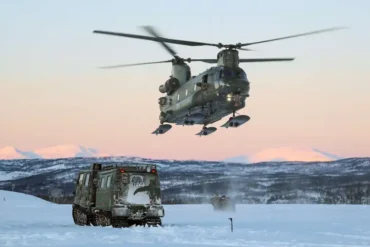
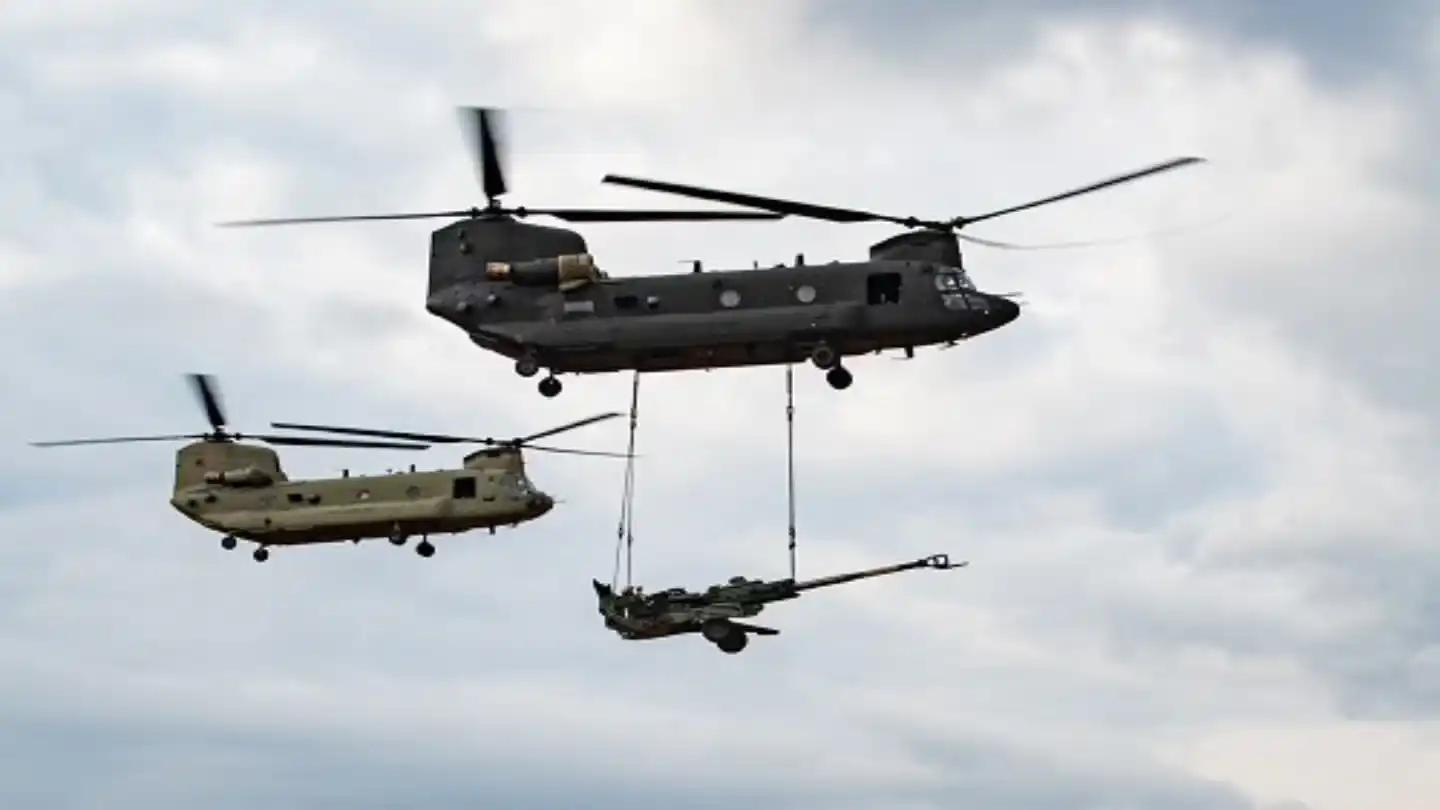
The Chinook can haul artillery pieces, sling-load vehicles, transport dozens of troops, or move supplies into remote landing zones. It can do so in heat, dust, mountain terrain, and poor infrastructure environments. Those are exactly the conditions military planners still expect in future conflicts.
The Army is effectively saying something simple: when the mission is heavy lift, the Chinook still earns its keep.
What the $324 Million Lot 6 Contract Actually Includes
The newest award covers six factory-new CH-47F Block II helicopters. These are not refurbished legacy airframes. They are newly built aircraft produced with upgraded systems from the start.
That matters because new-build helicopters arrive with:
- Full structural service life
- Zero accumulated flight fatigue hours
- Updated wiring and avionics architecture
- Improved drivetrain components
- Lower near-term maintenance burden
The six-aircraft buy follows earlier awards in 2024 and 2025, creating a steady production rhythm rather than one giant purchase. This gives the Army flexibility. If budgets tighten or priorities shift, it can slow buys. If demand rises, it can add more lots.
That incremental model also keeps suppliers active, workers employed, and production lines warm. In defense manufacturing, shutting down a line is easy. Restarting it later is painful and expensive.
What Makes the Block II Chinook Different
The Block II standard is not a cosmetic refresh. It is a meaningful performance upgrade designed around modern battlefield needs.
Key improvements include a redesigned fuel system, stronger drivetrain, reinforced airframe, and expanded payload capability. Boeing and Army planning documents indicate the aircraft is optimized to lift heavier loads farther than earlier Block I variants.
The helicopter’s maximum gross weight rises to approximately 54,000 pounds, allowing commanders to move more equipment per sortie. That reduces mission count, saves fuel, lowers exposure time, and speeds operational tempo.
In military logistics, fewer trips often means fewer chances to get shot at. That is not a small detail.
Better Performance in “Hot and High” Conditions
One of the toughest environments for helicopters is high altitude combined with high temperature. Thin air reduces rotor efficiency and engine performance, while heat worsens the problem.
This matters in regions with mountains, deserts, and austere inland bases. It also matters if aircraft must launch heavily loaded from island positions or remote expeditionary strips.
The Block II was designed to improve performance under those conditions. Army estimates have pointed to lift capability of roughly 22,000 pounds at 6,000 feet and 95°F, with room for future growth.
That allows the aircraft to carry loads earlier Chinooks might struggle with in similar conditions. For planners, that means more confidence and fewer compromises.
Why This Matters for the Indo-Pacific
Much of today’s U.S. military planning focuses on the Indo-Pacific, where geography is brutal. Distances are vast. Infrastructure may be limited. Ports and airfields could be targeted early in a conflict. Roads are not always an answer. Ships take time. Fixed-wing aircraft need suitable runways.
Rotorcraft that can move heavy cargo directly to dispersed positions become extremely valuable.
A Block II Chinook can help move:
- Ammunition to isolated units
- Fuel bladders and generators
- Light vehicles and trailers
- Engineering equipment
- Troops between island positions
- Artillery systems for rapid repositioning
This concept is often described as contested logistics—keeping forces supplied when the enemy is actively trying to stop you.
The Chinook was built for hard logistics. The Block II version sharpens that role for modern threats.
Why Not Just Replace It With Something New?
That question appears every few years, usually from people who have never had to move a howitzer through bad weather.
The Army’s Future Vertical Lift programs are producing new aircraft for assault and reconnaissance missions. But heavy lift is a different category. Replacing the Chinook would require a platform with equal payload, range, reliability, supportability, and affordability.
That is a brutal checklist.
New aircraft development also brings risk: delays, cost growth, technical surprises, training changes, and sustainment uncertainty. Upgrading the Chinook avoids many of those problems because the ecosystem already exists.
Pilots know it. Mechanics know it. Allies use it. Spare parts pipelines exist. Training systems exist. The aircraft’s strengths are understood.
Sometimes the smartest procurement move is evolution instead of revolution.
Global Demand Supports the Program
The United States is not alone in backing the Chinook. International demand remains strong.
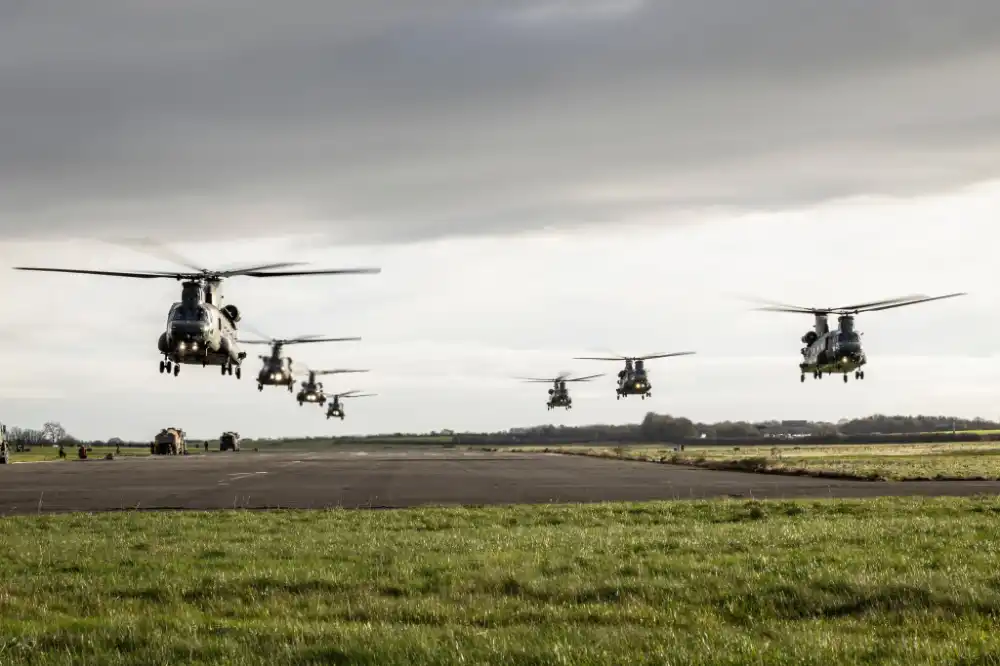
Germany selected the Chinook for a major heavy-lift requirement involving dozens of aircraft. The United Kingdom also ordered MH-47G Block II variants. Around the world, roughly 20 nations operate Chinooks or related versions.
That global fleet creates enormous advantages:
- Shared training knowledge
- Common maintenance experience
- Stronger spare parts network
- Coalition interoperability
- Lower long-term support risk
When allies fly the same aircraft, multinational operations become easier. If a crisis emerges, common platforms simplify planning, maintenance, and logistics.
That makes the Chinook more than a helicopter. It becomes a strategic network.
The Industrial Base Angle Few People Notice
Defense headlines usually focus on weapons systems, but industrial capacity matters just as much. The Ridley Park facility has produced Chinooks for decades. Skilled workers there build structures, transmissions, rotor systems, and integrate complex avionics.
If production disappears, so does talent. Suppliers close. Specialized machinists retire. Engineers move elsewhere. Rebuilding that base later costs time the military may not have.
Each new lot contract helps preserve:
- Skilled aerospace jobs
- Specialized suppliers
- Production tooling
- Heavy-lift engineering expertise
- Upgrade capacity for future variants
That matters because the Army may need future Block III improvements rather than a clean-sheet replacement.
What Could Block III Bring?
The next logical step is greater power. Army and industry planning has discussed the Future Affordable Turbine Engine (FATE) initiative, which could produce engines in the 6,000 shaft-horsepower class, above current power levels.
More power could mean:
- Better lift margins
- Higher cruise efficiency
- Stronger hot-and-high performance
- More payload flexibility
- Additional growth for mission systems
Transmission and drivetrain upgrades would likely be required, but the Block II architecture helps prepare for that path.
In simple terms, Block II is not the end of the story. It is the bridge to the next chapter.
Is the Program at Risk?
There are reports that future budget plans may not include unlimited Block II procurement. That does not necessarily mean cancellation. It often means the Pentagon wants operational feedback before committing to a larger buy.
That is common logic: field some aircraft, test them with real units, gather data, then decide scale.
If deployed units validate the performance gains and logistics value, additional purchases become easier to justify. If priorities change, procurement can slow without having overcommitted early.
That is exactly why the Army has used phased lot buys.
Why a 1960s Design Still Wins in 2026
The Chinook first flew more than six decades ago, yet it remains relevant because the core design solved a timeless military problem: moving heavy things where roads, runways, or certainty do not exist.
Wars change. Geography does not.
Mountains are still steep. Islands are still separated by water. Mud still traps trucks. Enemy missiles still threaten predictable routes. Troops still need ammunition before inspirational speeches.
That is where the Chinook continues to matter.
Final Assessment
The $324 million purchase of six more CH-47F Block II Chinooks is not nostalgia spending. It is a practical investment in battlefield mobility, logistics resilience, and immediate readiness.
The Army needs a heavy-lift aircraft available now, trusted now, and useful now. The Block II Chinook checks those boxes while creating room for future upgrades.
For all the fascination surrounding futuristic aircraft programs, militaries still depend on tools that work every day. The Chinook has done that for generations—and current procurement decisions suggest it may keep doing it well into the future.