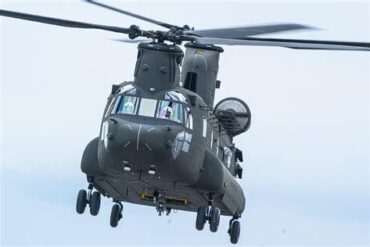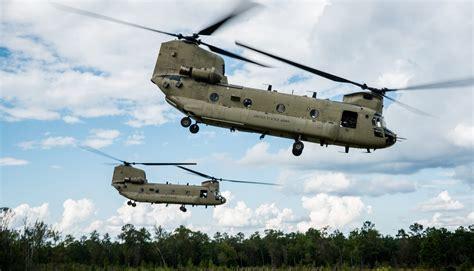
In a landmark decision that underscores the evolving security architecture of Europe, the United States Department of War has formally approved the delivery of 60 CH-47F Block II Chinook transport helicopters to Germany. The move not only bolsters Berlin’s military capability but also signals a dramatic realignment in NATO’s heavy-lift aviation capacity amid ongoing geopolitical tensions, especially on the alliance’s eastern flank.
On October 27, 2025, Boeing was awarded a comprehensive $876 million contract to provide the Chinooks under the Foreign Military Sales (FMS) program. The agreement includes logistics support, training modules, and initial engineering work. This pivotal step converts years of German defense planning into a fully funded modernization initiative. Set against the backdrop of a post-Ukraine defense overhaul, this acquisition reinforces Germany’s strategic ambitions within the NATO framework.
Strategic Realignment Through the Zeitenwende Fund
This procurement is not a standalone purchase—it is deeply intertwined with Chancellor Olaf Scholz’s Zeitenwende, a transformative shift in Germany’s defense policy marked by the creation of a €100 billion Sondervermögen fund. The €7 billion helicopter package, financed through this fund, aims to replace the outdated CH-53G Sea Stallion fleet of the Luftwaffe. The new CH-47Fs are slated to serve primarily at Holzdorf and Laupheim under Helicopter Wing 64, with operational transition expected to complete by 2030.
The Chinook purchase directly supports NATO’s new regional defense plans, prioritizing fast reinforcement capabilities along its eastern frontiers. Germany’s selection reflects an emphasis on operational readiness, rapid mobility, and interoperability within a multinational coalition.
CH-47F Block II: Engineering for Modern Warfare
The CH-47F Block II represents the most advanced iteration of the iconic Chinook, originally fielded in the 1960s. Its engineering lineage, combined with continuous modernization, results in a platform that is both battle-proven and technologically sophisticated.
Powered by two Honeywell T55-GA-714A turboshaft engines, each generating approximately 4,800 shaft horsepower, the CH-47F Block II delivers:
- Maximum speed: ~302 km/h
- Cruise speed: ~291 km/h
- Maximum gross weight: ~24,500 kg
- Internal/external useful load capacity: ~12,000 kg

Its tandem-rotor design allows for efficient load distribution and impressive lift capacity in diverse environments. The Advanced Chinook Rotor Blades, made of high-strength composite materials, provide superior lift in “hot-and-high” conditions—ideal for both mountainous terrain and extreme climates. The Block II airframe enhancements also reduce maintenance needs and increase structural longevity, enabling Germany to reduce logistical downtime and enhance sortie rates.
NATO-Aligned Avionics and Survivability Features
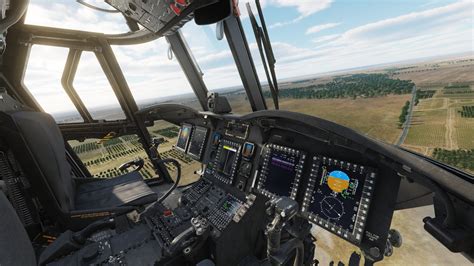
The Chinook’s technological core is anchored by the Common Avionics Architecture System (CAAS). This system incorporates:
- Multifunction digital displays
- Digital moving maps
- Advanced automatic flight control system
These avionics provide unmatched stability during hover, approach, and landing in low-visibility conditions. Germany’s custom configuration includes:
- Secure UHF/VHF and SATCOM radios
- Modern Identification Friend or Foe (IFF) systems
- GPS/INS navigation integration
- Full night-vision compatibility
Survivability is a paramount feature, with installations of missile, radar, and laser warning systems, chaff and flare dispensers, ballistic protection, and crashworthy seating. The aircraft also accommodates side-door and ramp-mounted machine guns for close-in protection during tactical insertions and extractions.
Crucially, all helicopters will be equipped with air-to-air refueling probes and extended-range fuel tanks, significantly expanding their operational radius. Paired with KC-130J or A400M tankers, the CH-47F enables long-range missions that are vital for both combat and humanitarian operations across Europe.
Tactical Utility and Battlefield Flexibility
The CH-47F Block II’s deployment offers Germany a quantum leap in tactical flexibility. In both Article 5 scenarios and national emergencies, the helicopters will serve as critical assets to bypass logistical chokepoints such as rail infrastructure or compromised road networks. Capable of transporting:
- 36 fully equipped troops
- 24 stretchers for medevac
- Heavy loads such as artillery, engineer vehicles, or mobile bridge sections
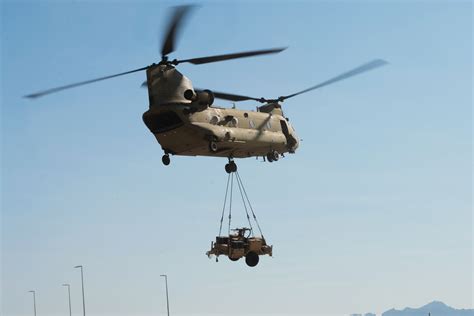
With its triple-hook underslung load capacity, the Chinook can simultaneously transport a light armored vehicle and a pallet of ammunition, enabling rapid re-supply to dispersed forward units.
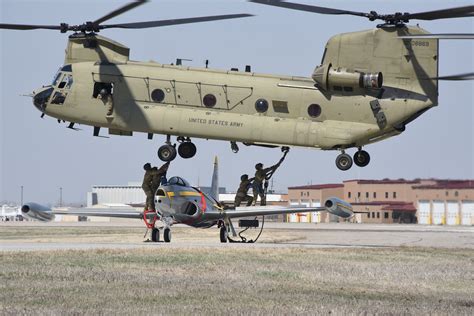
For special operations and combat search-and-rescue (CSAR) roles, the CH-47F excels with fast-rope and hoist systems, allowing for deep insertions and extractions under the cover of night or in contested environments. Its onboard defensive aids provide critical protection in hostile airspace, making it a reliable platform for high-risk missions from Germany into Baltic or Eastern European theaters.
Domestically, the Chinook offers robust disaster relief capabilities. During floods, wildfires, and other civil emergencies, its payload capacity and range provide unparalleled support for rescue and logistics missions, areas where the aging CH-53G has long shown operational strain.
Industrial Collaboration and Strategic Sovereignty
The delivery program is not limited to aircraft—it embodies a holistic industrial cooperation strategy. Boeing’s German Chinook team includes:
- Airbus Helicopters Deutschland
- ESG (Elektroniksystem- und Logistik-GmbH)
- Lufthansa Technik
These firms will provide training, depot-level maintenance, and in-country support, creating a robust logistical ecosystem within Germany. This move safeguards technical sovereignty, builds high-skilled employment, and promotes a sustainable defense industrial base within Central Europe.
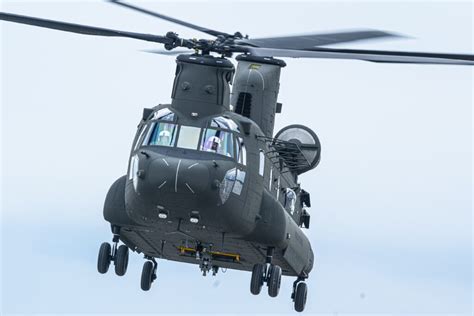
Furthermore, this arrangement positions Germany as a regional hub for Chinook support across Europe, allowing for streamlined fleet readiness among neighboring NATO allies.
The Chinook Advantage: Unmatched NATO Interoperability
Berlin’s decision reflects a pragmatic embrace of interoperability and coalition warfare. While other heavy-lift platforms like the CH-53K King Stallion offer greater lift, their acquisition cost, maintenance complexity, and limited international usage reduce their suitability for Germany’s strategic vision.
The CH-47F Chinook, however, is operated by a robust coalition of NATO members including:
- United States
- United Kingdom
- Italy
- Netherlands
- Spain
- Greece
- Turkey
- Canada
And non-NATO partners such as:
- Australia
- Japan
- South Korea
Germany’s adoption of the CH-47F positions it within a mature and globally integrated tactical doctrine, with shared training standards, logistics chains, and spare part networks. This synergy will significantly reduce the operational friction during joint missions and exercises.
Conclusion: A Strategic Leap into the Future
The approval and upcoming delivery of 60 CH-47F Block II Chinooks marks a critical turning point for Germany’s Bundeswehr and NATO’s rapid response capabilities. This fleet will form the backbone of Germany’s heavy-lift aviation until well beyond 2040, providing an unmatched combination of lift power, operational reach, mission flexibility, and interoperability.
More than just a procurement, this is a strategic investment into the Bundeswehr’s future relevance and a reaffirmation of Germany’s commitment to collective defense. In a Europe increasingly marked by military uncertainty and the need for credible deterrence, the Chinook fleet represents a vital pillar in the architecture of security and preparedness.