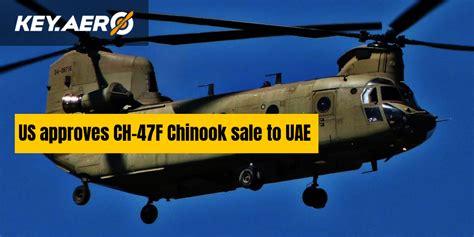
The United States has approved a potential $1.3 billion sale of six CH-47F Chinook helicopters to the United Arab Emirates (UAE), aligning closely with former President Donald Trump’s high-profile visit to the Middle East. The announcement, issued by the Defense Security Cooperation Agency (DSCA) as part of a congressional notification, marks a significant development in US-UAE defense ties, offering critical airlift capabilities to one of the United States’ key regional partners.
The State Department’s green light for the sale underscores Washington’s ongoing support for the UAE’s defense modernization, providing the Gulf nation with advanced military technology amid evolving regional security dynamics. According to the DSCA, the proposed package includes a comprehensive set of enhancements designed to bolster the UAE’s operational reach and versatility in various mission profiles.
Key Details of the Proposed CH-47F Sale
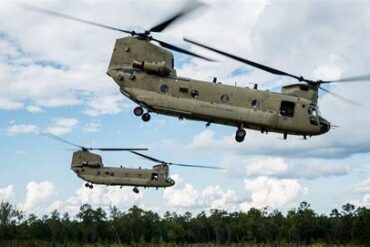
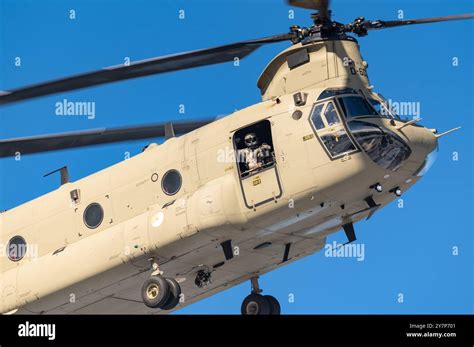
The CH-47F Chinook, manufactured by Boeing, stands as one of the world’s most advanced and versatile heavy-lift helicopters. Known for its tandem rotor design and exceptional cargo capacity, it has become a backbone asset for armed forces worldwide. The UAE’s planned acquisition includes:
- Six CH-47F Chinook Helicopters
- 12 T-55-GA-714A Engines (plus four spares)
- Air-to-Air Refueling Capability
- Advanced GPS and Communication Devices
- Missile Warning Systems and Laser Detection Systems
- Machine Guns and Advanced Radar Systems
These enhancements aim to significantly extend the UAE’s operational range, allowing for complex missions including search and rescue, disaster relief, humanitarian support, and counterterrorism operations. The package also includes associated training, logistical support, and spares, ensuring the long-term viability and readiness of the fleet.
Strategic Implications for UAE’s Defense Posture
The UAE’s decision to invest in the CH-47F comes amid a broader regional shift toward more capable and flexible air assets. This sale directly addresses gaps left by the cancellation of an €800 million ($888 million) Caracal helicopter deal with Airbus in May 2023. The termination of the Caracal program, attributed to high lifecycle costs and technical limitations, created an immediate demand for a modern replacement capable of meeting the UAE’s evolving defense needs.
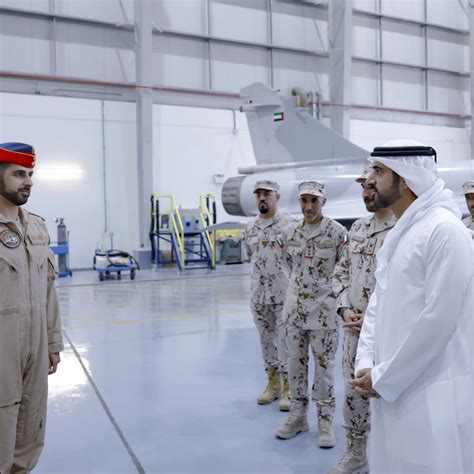
This deal further cements the UAE’s position as a leading regional military power, leveraging a diversified air fleet that includes F-16E/F Block 60 Desert Falcons and, potentially, F-35 Joint Strike Fighters. The UAE’s air capabilities have been a critical component of its defense strategy, providing rapid response and power projection capabilities across a range of operational scenarios.
US Military Presence and Long-Term Support
To implement the sale, the DSCA noted that 10 US representatives (two governmental and eight contractor personnel) will relocate to the UAE for a five-year period to provide ongoing technical and training support. This underscores the long-term strategic partnership between the US and UAE, reinforcing interoperability and deepening defense ties at a critical geopolitical juncture.
Notably, the announcement did not include provisions for technology transfer, a sticking point in some recent arms deals. Both the UAE and Saudi Arabia have emphasized the need for local production and assembly in defense procurements, aligning with broader efforts to foster domestic defense industries and reduce reliance on foreign suppliers.
Trump’s Middle East Tour and Broader Arms Sales
The timing of this announcement is significant, aligning closely with Trump’s first international visit of 2025, which includes stops in Saudi Arabia, the UAE, and Qatar. During his earlier term, Trump’s administration played a pivotal role in securing the first-ever F-35 sale to an Arab nation, a deal that was later suspended by the Biden administration over security concerns related to Huawei 5G infrastructure in the UAE.
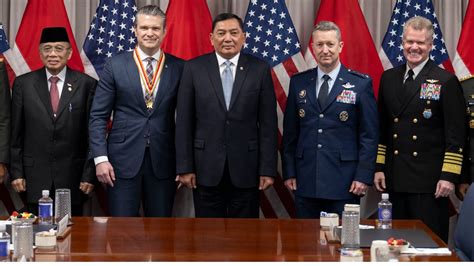
As Trump continues his tour, analysts anticipate further announcements regarding military sales, potentially including advanced fighter jets, missile defense systems, and naval platforms, as the US seeks to strengthen alliances amid rising regional tensions and increased Chinese and Russian influence in the Middle East.
Congressional Oversight and Future Considerations
While the State Department’s approval is a significant step forward, the deal is still subject to congressional review, providing lawmakers a 30-day window to block the sale. Given the strategic importance of the UAE as a regional partner, however, such opposition is considered unlikely.
As the US continues to refine its strategic posture in the Middle East, this potential $1.3 billion Chinook sale underscores the ongoing commitment to supporting allied nations in maintaining regional stability and countering emerging security threats.
The unfolding developments around this high-profile arms deal will be closely watched, particularly as the UAE seeks to assert its influence as a leading defense player in the Gulf region.