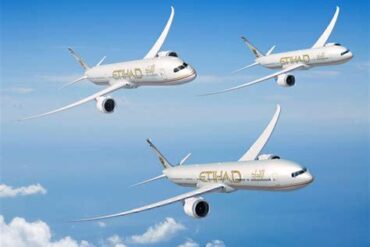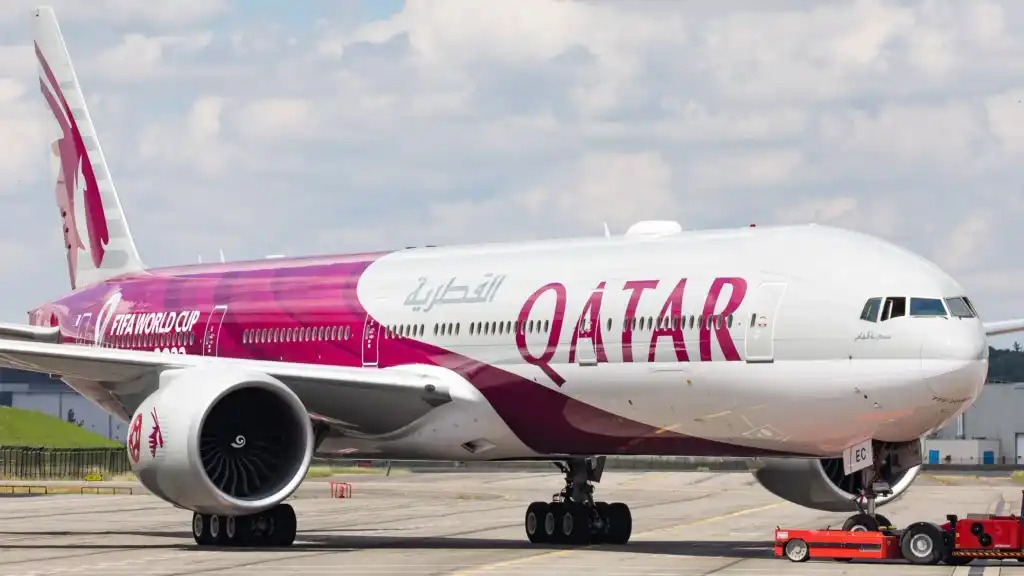
Qatar Airways (QR) has signed a groundbreaking $200 billion agreement with Boeing for the purchase of 160 widebody aircraft, marking a significant milestone in the airline’s growth strategy and cementing its status as a global aviation powerhouse. This historic deal, announced during U.S. President Donald Trump’s visit to Qatar, represents the largest widebody aircraft order in Boeing’s history, underscoring the deepening economic ties between the United States and Qatar.
A Strategic Leap for Qatar Airways
The massive order, which includes Boeing 777X and 787 models, was formalized at a high-profile signing ceremony in Doha (DOH) on May 14, 2025, attended by President Trump and Qatar’s Emir, Sheikh Tamim bin Hamad Al-Thani. This purchase is a pivotal part of Qatar Airways’ ongoing fleet modernization strategy, designed to replace aging aircraft and meet growing global demand for long-haul travel. The deal is set to boost the airline’s capacity from 50 million to 80 million passengers annually by 2030, reinforcing Hamad International Airport (DOH) as a critical hub connecting over 180 destinations worldwide.
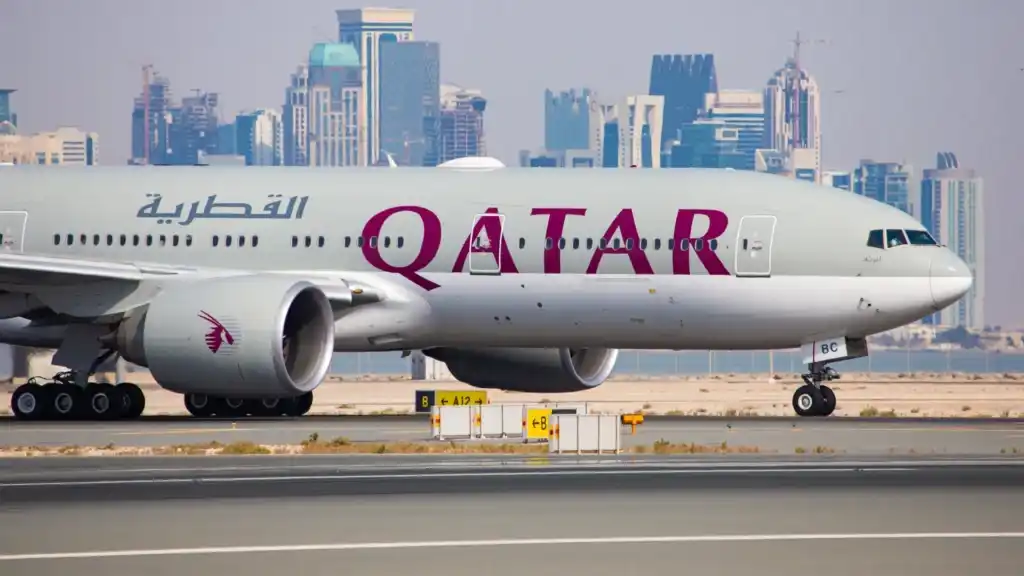
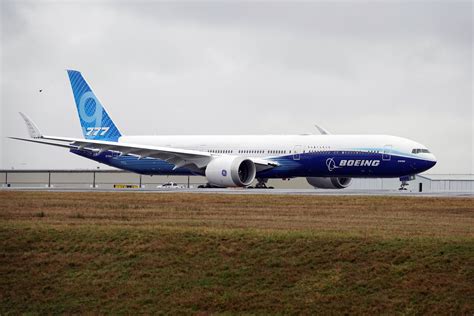
The aircraft included in this landmark order consist of the advanced Boeing 777X, including the 777-9 variant, which will become the airline’s flagship with improved fuel efficiency and cutting-edge cabin features. The order also includes the Boeing 787 Dreamliner, likely featuring the 787-10 variant, known for its operational flexibility and lower carbon footprint, making it ideal for medium- to long-haul routes such as Doha (DOH) to London (LHR) or Bangkok (BKK).
Boeing’s Strategic Win Amid Market Challenges
For Boeing, this deal represents a crucial boost, providing a steady production pipeline as the manufacturer navigates ongoing certification delays for the 777X, now expected to enter service in 2026. With this order, Boeing solidifies its position in the Middle East market, a region projected to heavily rely on twin-aisle jets over the next two decades, which are expected to make up 44% of the area’s fleet by 2045.
The agreement also reflects Qatar’s diplomatic efforts to strengthen its relationship with the United States, strategically aligning with Trump’s Middle East tour, which focused on fostering economic partnerships across aviation, defense, and technology. This order underscores the significant geopolitical and economic dimensions of the aerospace industry, where strategic purchases often reflect broader diplomatic and trade objectives.
Fleet Expansion and Technological Advancements
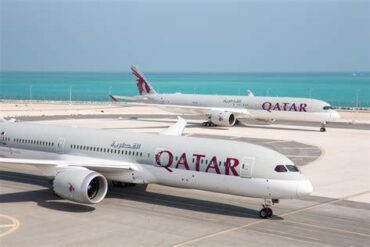
As of May 2025, Qatar Airways operates a fleet of approximately 259 aircraft, including 64 Boeing 777s, 51 Boeing 787s, 58 Airbus A350s, and 8 Airbus A380s, alongside narrowbody aircraft like the Airbus A320 and Boeing 737 MAX 8. The new 160 aircraft order will further phase out older models, ensuring a younger, more efficient fleet that can compete in the increasingly competitive long-haul market.
The 777X, known for its 426-passenger capacity and 7,295-nautical-mile range, will enable Qatar Airways to expand ultra-long-haul routes, a critical component in the airline’s growth strategy. Meanwhile, the 787’s flexibility supports high-density regional routes, allowing the airline to optimize its network in response to shifting demand.
A New Chapter in U.S.-Qatar Relations
This landmark agreement also serves as a testament to the strengthening economic ties between Qatar and the United States. During his Middle East tour, President Trump emphasized the importance of aviation and defense as key pillars of U.S.-Gulf relations. The Boeing order forms part of a broader economic engagement strategy, reflecting both countries’ commitment to mutual economic growth and regional stability.
With this deal, Qatar Airways reaffirms its position as one of the world’s most technologically advanced airlines, capable of delivering a superior passenger experience through cutting-edge aircraft and innovative in-flight services. As the airline continues to expand its global reach, this historic order sets the stage for a new era of growth and technological advancement in the aviation industry.
Trump’s Middle East Tour and its Strategic Impact
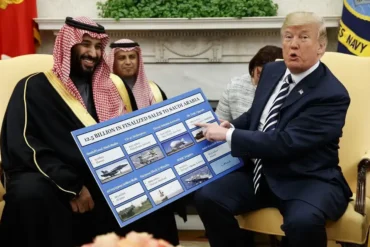
President Trump’s Middle East tour, which included high-profile stops in Saudi Arabia, Qatar, and the United Arab Emirates, served as a platform for securing major economic agreements across aviation, defense, and infrastructure. In Saudi Arabia, Trump announced a $600 billion investment commitment to the U.S., including a $142 billion arms deal that included 1,000 AIM-120C-8 air-to-air missiles built by RTX Corp. In the UAE, additional deals are expected, potentially pushing total agreements to $3 trillion, underscoring the scale of U.S.-Gulf economic ties.
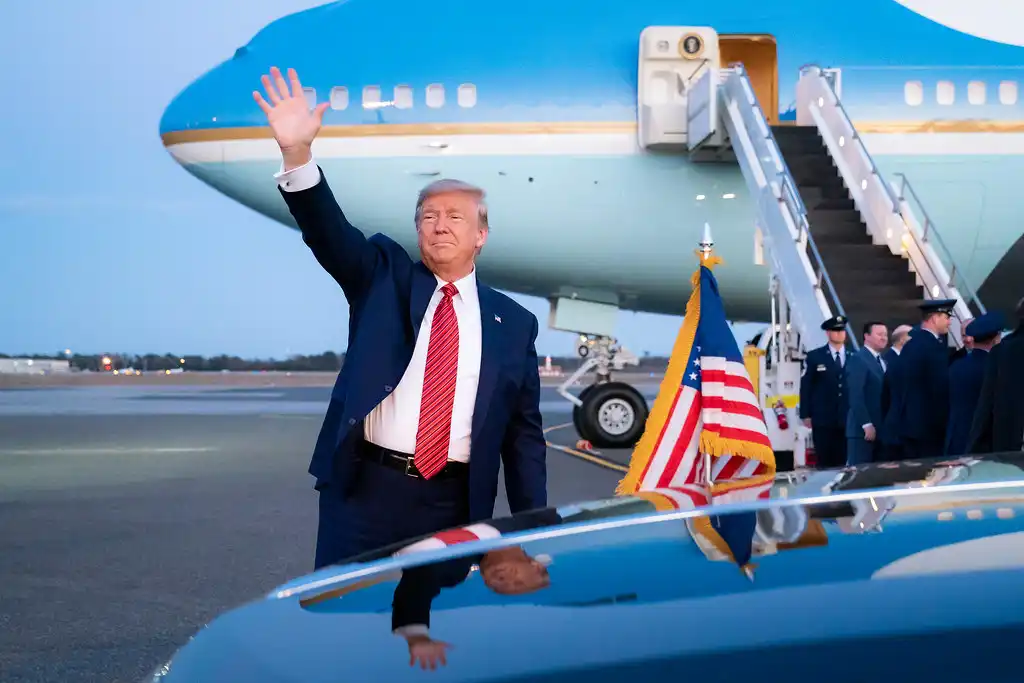
The Boeing deal with Qatar Airways stands out as a major component of this broader strategy, reinforcing U.S. aerospace dominance while supporting thousands of American jobs across the supply chain. The order also highlights the strategic importance of Qatar as a U.S. ally in the Gulf, providing critical support for American foreign policy objectives in the region.
Conclusion
This record-breaking order not only represents a major win for Boeing and Qatar Airways but also signals a deeper economic alignment between the U.S. and the Gulf states. As Qatar Airways continues to expand its fleet and global reach, this partnership sets the stage for a new era of growth, technology, and geopolitical influence in the world of commercial aviation.