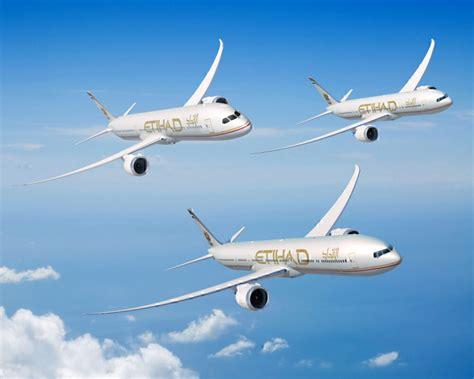
Etihad Airways has taken a bold step forward in its long-term fleet strategy with a $14.5 billion order for 28 new Boeing wide-body aircraft, reinforcing the carrier’s ambition to expand its global presence while deepening economic ties between the United Arab Emirates (UAE) and the United States. The high-profile deal was revealed during a bilateral trade announcement in Dubai on May 15, led by former U.S. President Donald Trump, and forms part of a wider $200 billion portfolio of commercial agreements between the two nations.
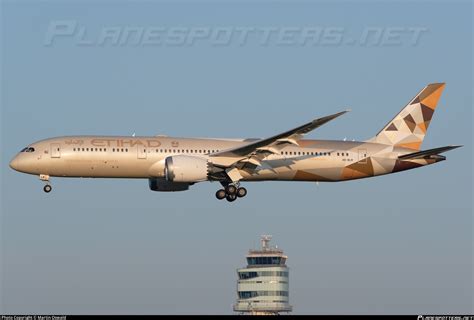
This significant acquisition includes both the Boeing 787 Dreamliner and the next-generation Boeing 777X, two of the aerospace giant’s most advanced and fuel-efficient aircraft families. Each of these aircraft will be powered by GE Aerospace engines, underscoring the continued technological partnership between Boeing, GE, and Etihad.
Etihad’s Fleet Renewal Strategy Gains Momentum
Based at Abu Dhabi International Airport (AUH), Etihad Airways has confirmed that the delivery of these 28 new aircraft will begin in 2028, aligning with the airline’s broader vision to modernize its fleet and expand international routes over the next decade. According to the carrier, this move is central to its operational roadmap, positioning it for sustainable growth and optimized performance.
Etihad’s order, consisting of an undisclosed number of each model, will help diversify its wide-body offerings and enhance long-haul capacity. The Boeing 777X, a cutting-edge derivative of the 777 family, features a new composite wing design, advanced engines, and larger cabin windows—making it an ideal fit for Etihad’s premium-focused international service.
Strengthening U.S.-UAE Commercial Ties
The announcement was more than just a commercial deal—it was a symbolic representation of deepening strategic ties between the UAE and the United States. In his remarks, former President Trump emphasized the order’s importance in bolstering high-value exports and creating manufacturing jobs across the U.S. aviation sector.

White House officials characterized the order as an integral part of broader efforts to support economic collaboration in high-tech sectors like aerospace and aviation. Including the 777X in Etihad’s fleet was cited as a major milestone in advancing U.S.-UAE bilateral cooperation.
GE Aerospace Engines and Technological Partnership
All the aircraft in this new order will be powered by GE Aerospace engines, continuing Etihad’s long-standing relationship with the U.S.-based engine manufacturer. GE’s engines are not only known for their reliability and performance, but also for incorporating leading-edge efficiency technologies—supporting Etihad’s commitment to reducing its carbon footprint and meeting international sustainability targets.
By selecting GE propulsion systems, Etihad not only ensures commonality across its future fleet but also benefits from GE’s extensive maintenance and support infrastructure, which will play a critical role in sustaining operational uptime across its expanding global network.
Operational Impacts and Expansion Goals
This aircraft order complements Etihad’s ambitious growth strategy, which aims to grow its fleet from approximately 100 aircraft to over 170 by 2030. The airline is backed by Abu Dhabi’s $225 billion sovereign wealth fund, ADQ, enabling it to make high-capital investments with a long-term outlook.
Earlier this year, Etihad CEO Antonoaldo Neves outlined the airline’s 2025 strategy, which includes the addition of 20–22 new aircraft in 2025 alone. Among them are 10 Airbus A321LRs, six Airbus A350s, and four Boeing 787s, all scheduled for delivery independent of the newly announced Boeing order.
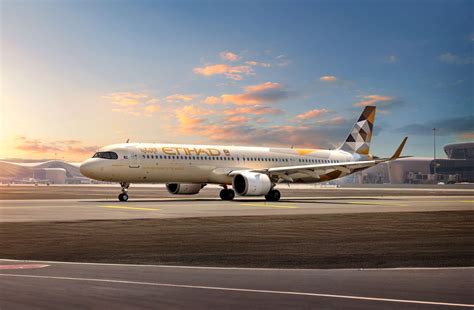
Etihad’s dual focus on wide-body and narrow-body acquisitions reflects a clear intention to enhance its network flexibility—targeting both regional routes and high-yield long-haul markets. This layered approach also gives Etihad the resilience it needs to manage geopolitical shifts, fluctuating fuel prices, and evolving passenger preferences.
Sustainability and Fleet Modernization
A critical component of Etihad’s latest order is its alignment with environmental objectives. Both the Boeing 787 and 777X aircraft offer double-digit reductions in fuel consumption and CO₂ emissions compared to the previous generation of aircraft. This supports Etihad’s broader commitment to the International Civil Aviation Organization (ICAO) emissions reduction goals and its own internal environmental performance metrics.
The airline has already conducted a series of sustainable aviation fuel (SAF) test flights and carbon offsetting initiatives. Incorporating these new Boeing jets into its fleet will enhance operational efficiency while reducing per-passenger environmental impact—a decisive move as the global aviation industry comes under increasing pressure to decarbonize.
Industry Reactions and Market Implications
Though Boeing and GE Aerospace have not yet released formal statements on the deal, industry analysts view the order as a vote of confidence in Boeing’s wide-body aircraft programs, especially at a time when global demand for long-haul travel is recovering.
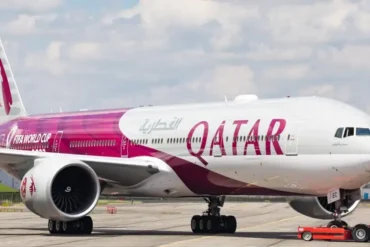
This order also places Etihad in direct competition with regional heavyweights like Emirates and Qatar Airways, both of which have made major fleet investments in recent years. In fact, Qatar Airways recently signed a record-breaking deal with Boeing for up to 210 aircraft, including 130 Dreamliners and 30 777-9s, highlighting a regional arms race for the most modern and efficient fleets.
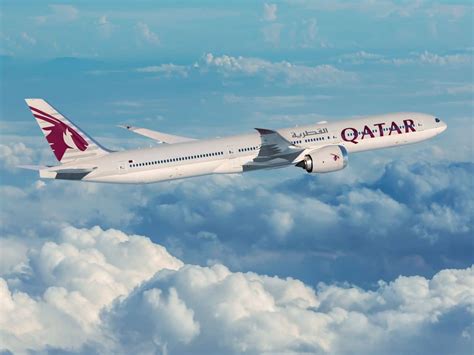
While Qatar’s order eclipses Etihad’s in raw scale, Etihad’s deal reflects a targeted and strategic expansion plan—one designed to avoid the overcapacity issues that plagued the carrier in the mid-2010s. Its disciplined approach to growth is shaped by lessons learned during a difficult restructuring phase, which saw the airline streamline operations, exit unprofitable routes, and rebuild under new leadership.
Looking Toward 2030: Etihad’s Vision
Etihad’s latest Boeing order is more than a fleet expansion—it is a cornerstone of the airline’s 2030 transformation agenda, which emphasizes digital innovation, fleet sustainability, and customer experience excellence. The combination of 787s and 777Xs will offer Etihad the flexibility to deploy aircraft on a wide range of routes, from transatlantic services to ultra-long-haul destinations in Asia-Pacific.
The airline’s premium service model will benefit significantly from the cabin innovations offered in these aircraft, such as larger windows, improved humidity, lower cabin altitude, and enhanced noise reduction—all contributing to an improved passenger experience.
With the first deliveries expected in 2028, the next few years will see Etihad continuing to balance near-term fleet growth with long-term strategy execution. Additional aircraft arrivals in 2025 and beyond will help the airline incrementally expand while remaining adaptable in a highly competitive global aviation landscape.
Conclusion: A Defining Deal for Etihad and Boeing
This $14.5 billion agreement between Etihad Airways and Boeing marks a defining chapter in both companies’ futures. It showcases Etihad’s renewed ambition, operational maturity, and environmental responsibility—qualities that will be essential as the aviation industry navigates a post-pandemic world marked by evolving traveler expectations, sustainability demands, and international cooperation.
Simultaneously, the deal reinforces Boeing’s dominance in the wide-body segment, offering a vital boost amid a slow rebound from recent manufacturing and supply chain challenges. For the UAE, this agreement serves as a geopolitical and economic signal of its strengthening role as a global aviation and trade hub.
In every respect, this aircraft order is a bold affirmation of where Etihad sees itself by 2030: not only as a regional competitor but as a world-class airline ready to define the future of global air travel.