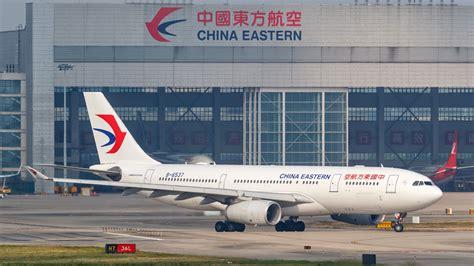
Airbus has secured one of its most significant commercial aircraft victories in China in recent years after China Eastern Airlines confirmed an order for 25 Airbus A330neo widebody aircraft. Valued at approximately $9.35 billion at list prices, the agreement reinforces Airbus’ growing dominance in one of the world’s most strategically important aviation markets while supporting China Eastern’s long-term international expansion strategy. Although large airline purchases typically involve substantial discounts from published prices, the order still represents a major investment in fleet modernization and future capacity growth.
The new aircraft will begin arriving in 2029, with deliveries continuing through 2033, giving the Shanghai-based carrier a steady stream of next-generation widebody jets capable of replacing aging aircraft while supporting additional long-haul services. The purchase also demonstrates continued confidence in the Airbus A330neo program, particularly the larger A330-900 variant, which has steadily gained momentum among airlines across Asia seeking fuel-efficient aircraft with lower operating costs.
China Eastern’s latest investment comes as international travel demand continues recovering across Asia, creating renewed opportunities for airlines to rebuild networks, launch new destinations, and strengthen existing intercontinental routes from major hubs such as Shanghai Pudong International Airport.
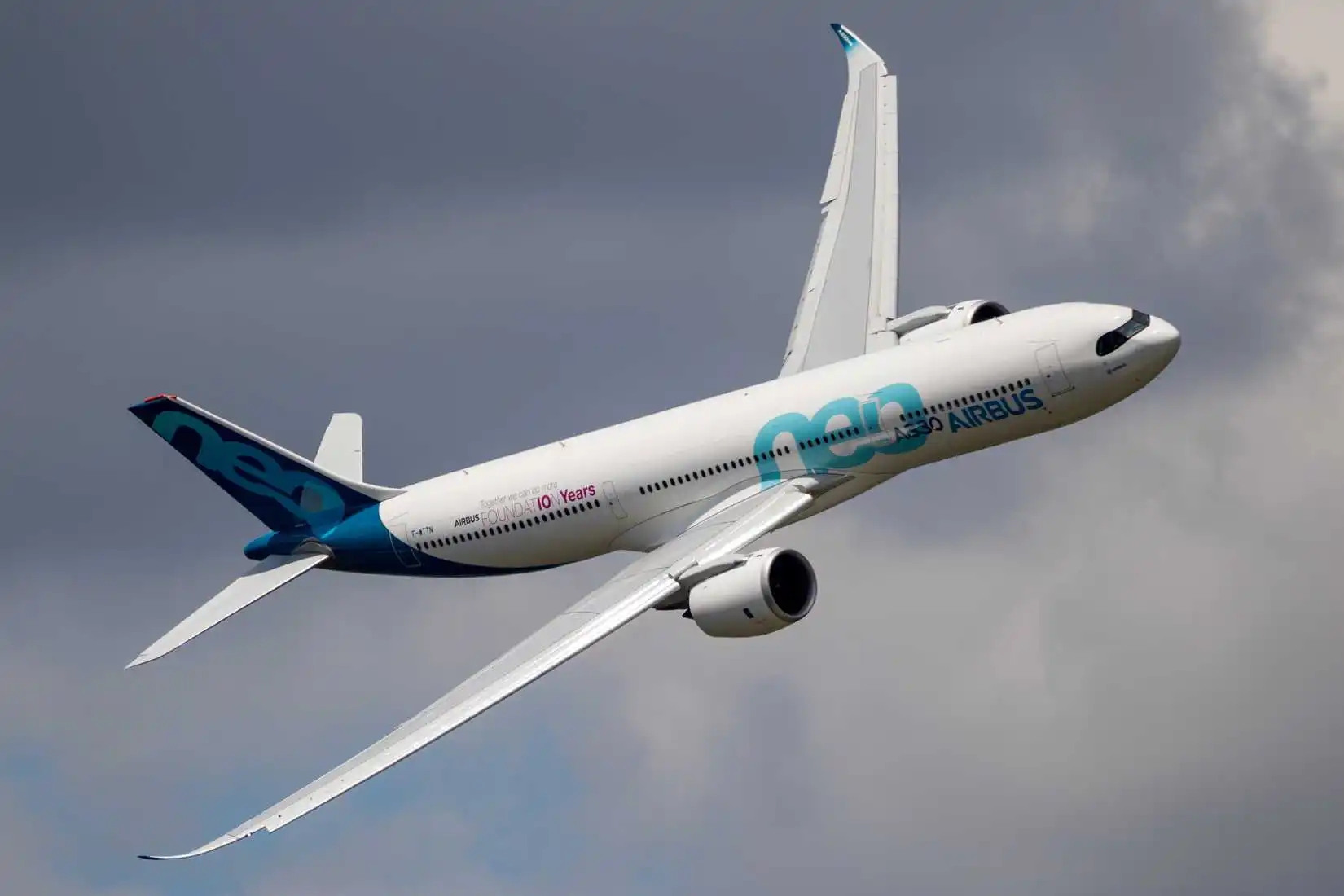
Airbus Strengthens Its Position in China’s Expanding Aviation Market
The agreement was announced through a filing on the Shanghai Stock Exchange, confirming Airbus as the selected manufacturer for the airline’s latest widebody acquisition. While the filing did not specify which A330neo variant was selected, industry expectations strongly point toward the Airbus A330-900, the considerably more popular version of the family.
China Eastern explained that the acquisition will serve two major objectives. First, the aircraft will increase future transport capacity as passenger demand continues to recover and expand. Second, they will gradually replace older aircraft that are becoming less efficient to operate compared with today’s latest-generation twin-engine widebodies.
This dual-purpose strategy reflects a broader trend across the global airline industry, where carriers are investing in aircraft capable of reducing fuel consumption while simultaneously improving passenger comfort and extending operational flexibility. For China Eastern, the A330neo offers an ideal bridge between medium- and ultra-long-haul markets, allowing the airline to optimize capacity across diverse international routes.
Deliveries Scheduled Through 2033 Support Long-Term Growth
Unlike rapid fleet expansion programs that require large numbers of aircraft within a short timeframe, China Eastern has opted for a carefully phased delivery schedule. Beginning in 2029 and extending through 2033, the airline will gradually introduce the new aircraft into its network.
This approach offers several operational advantages. It enables pilot training, maintenance preparation, and fleet integration to proceed efficiently while allowing older aircraft to be retired in a controlled manner. The staggered deliveries also provide flexibility as market conditions continue evolving throughout the next decade.
Shanghai Pudong International Airport is expected to become the primary operating base for the incoming A330neos. From there, the aircraft will likely support both increased frequencies on established international routes and the launch of new long-haul destinations where growing passenger demand justifies additional capacity.
The Airbus A330neo Continues Winning Asian Airlines
The latest China Eastern order further highlights the increasing popularity of the Airbus A330neo across Asia. While the smaller A330-800 has experienced relatively limited commercial success, the larger A330-900 has emerged as the clear favorite among airlines seeking modern widebody aircraft without stepping up to even larger platforms.
The aircraft combines improved Rolls-Royce Trent 7000 engines, aerodynamic enhancements, redesigned wings, and an updated passenger cabin that delivers greater fuel efficiency alongside improved operating economics. These advantages have made the A330-900 particularly attractive for airlines balancing long-range capability with manageable acquisition and operating costs.
Several Asian carriers have already incorporated the aircraft into their fleets. Cebu Pacific has become one of the region’s largest operators, while Malaysia Airlines continues expanding its A330-900 fleet through additional deliveries. Lion Air, Starlux Airlines, and Garuda Indonesia have also invested in the type, illustrating broad confidence in Airbus’ newest member of the A330 family.
Fleet Modernization Aligns With China Eastern’s Existing Airbus Operations
One reason the transition should prove relatively seamless is China Eastern’s extensive experience operating Airbus widebody aircraft. The airline already maintains one of the region’s largest Airbus fleets, making the introduction of another Airbus type operationally straightforward.
Its current widebody Airbus fleet includes:
- 30 Airbus A330-200s
- 26 Airbus A330-300s
- 20 Airbus A350-900s
The airline’s existing A330 fleet is now entering a stage where replacement becomes increasingly practical. The A330-300 fleet averages roughly twelve years of service, while the older A330-200 fleet exceeds thirteen years on average. By the time the first A330neos arrive in 2029, many of these aircraft will have accumulated even greater operating cycles, making replacement with newer, more efficient models economically attractive.
Meanwhile, the Airbus A350-900 remains one of the youngest aircraft within China Eastern’s fleet, providing a complementary platform for longer international missions alongside the incoming A330neo fleet.
Strategic Implications for Airbus and the Global Widebody Market
For Airbus, the agreement extends far beyond the value of a single aircraft order. China remains one of the world’s fastest-growing aviation markets, and securing major purchases from leading Chinese airlines reinforces Airbus’ competitive position in a region expected to generate substantial long-term aircraft demand.
The order also signals sustained confidence in the A330neo program despite increasing competition across the widebody sector. Rather than serving only as a replacement aircraft, the A330neo has evolved into a strategic growth platform capable of supporting airlines expanding internationally while improving fleet efficiency.
For China Eastern, the investment represents a forward-looking commitment to global connectivity. As international travel continues recovering and long-haul demand strengthens, the addition of 25 modern Airbus widebodies positions the airline to expand its network, improve operating economics, and enhance passenger experience well into the next decade.
The historic agreement ultimately benefits both companies: Airbus secures another major foothold in one of aviation’s most valuable markets, while China Eastern gains the modern fleet needed to support its ambitions as one of China’s leading international carriers.