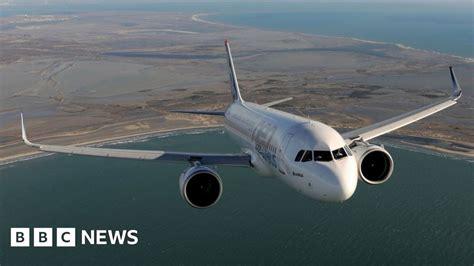
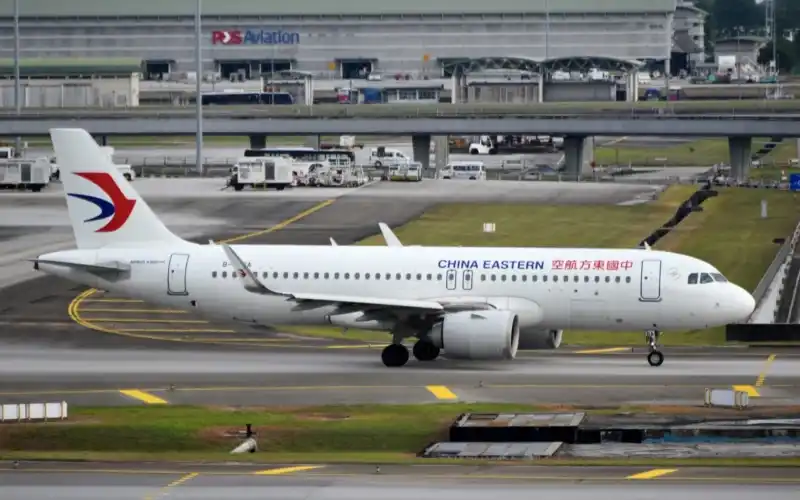
The global aviation market has witnessed a decisive shift as Airbus clinches a $15.8 billion agreement with China Eastern Airlines for 101 A320neo family aircraft, reinforcing its dominance in one of the world’s most strategically important aviation regions. This landmark deal is more than a fleet expansion—it is a powerful endorsement of Airbus’s narrowbody strategy and a signal of long-term confidence in fuel-efficient, next-generation aircraft.
China Eastern Airlines, a major SkyTeam carrier, continues to deepen its relationship with Airbus, aligning its growth trajectory with aircraft designed for efficiency, flexibility, and range. Deliveries from this order are scheduled between 2028 and 2032, positioning the airline for sustained expansion as travel demand rebounds and evolves across Asia and beyond.
A Strategic Bet on Efficiency and Scale
The scale of this agreement underscores how airlines are prioritizing operational efficiency and environmental performance. The A320neo family has become a cornerstone of modern aviation due to its reduced fuel burn, lower emissions, and improved operating economics. For China Eastern, the decision reflects a calculated move to optimize both short-haul and medium-haul networks with aircraft capable of delivering consistent performance across diverse route structures.
By committing to over 100 aircraft in a single deal, the airline is effectively future-proofing its fleet. The flexibility within the A320neo family allows it to adjust capacity, range, and route deployment without introducing unnecessary complexity—an advantage that becomes increasingly valuable in volatile market conditions.
Multiple Variants Signal Network Ambition
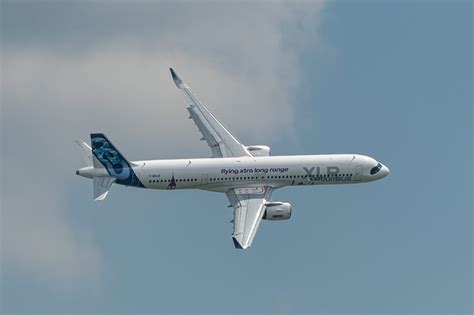
This order is not limited to a single aircraft type. It includes a mix of models within the A320neo family, notably the A321neo and the long-range A321XLR, both of which significantly expand operational possibilities.
The A321neo offers a larger fuselage and higher seating capacity compared to the standard A320neo, making it ideal for high-demand regional routes. Meanwhile, the A321XLR introduces a transformative capability: long-haul range on a narrowbody platform. With the ability to fly up to 4,700 nautical miles, the XLR enables airlines to open “thin” routes—long-distance flights that would not be economically viable with widebody aircraft.
This combination allows China Eastern to bridge the gap between regional and long-haul operations, unlocking new city pairs and enhancing connectivity without overcommitting capacity.
China Emerges as Airbus’s Growth Engine
The timing of this deal highlights Airbus’s growing momentum in China. In recent years, the European manufacturer has secured a steady stream of large-scale orders from Chinese carriers, solidifying its position as a preferred supplier in the region.
A surge of orders placed in late 2025 by multiple Chinese airlines demonstrated a broader industry trend: confidence in Airbus’s product line and delivery reliability. This latest agreement with China Eastern builds on that momentum, reinforcing Airbus’s foothold in a market that is expected to drive a significant share of global air traffic growth over the next two decades.
For Airbus, China is no longer just an important market—it is a critical pillar of long-term strategy, offering both volume and influence in shaping future aircraft demand.
A Fleet Dominated by Airbus
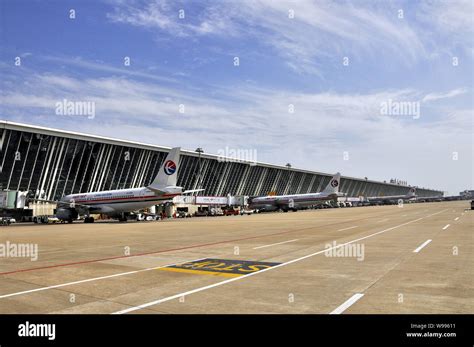
China Eastern’s existing fleet composition makes this deal even more significant. Airbus aircraft already account for the majority of its operations, forming the backbone of both its narrowbody and widebody segments. The airline operates hundreds of Airbus jets, with the A320 family playing a central role in daily operations.
The addition of 101 new aircraft will further tilt the balance in Airbus’s favor, deepening fleet commonality and simplifying maintenance, training, and logistics. This consistency translates into lower operational costs and improved efficiency, giving the airline a competitive edge in a crowded market.
Redefining the Future of Narrowbody Aviation
Beyond the numbers, this deal reflects a broader transformation within the aviation industry. Narrowbody aircraft are no longer confined to short-haul routes—they are increasingly encroaching on territory once dominated by widebodies. With advancements in range and efficiency, aircraft like the A321XLR are reshaping how airlines think about network planning.
For passengers, this evolution means more direct flights, fewer layovers, and access to destinations that were previously underserved. For airlines, it means greater agility and the ability to respond quickly to shifting demand patterns.
China Eastern’s investment signals a clear belief in this future. By embracing the full spectrum of the A320neo family, the airline is positioning itself at the forefront of a new era in aviation—one defined by precision, efficiency, and strategic flexibility.
A Deal That Echoes Across the Industry
This $15.8 billion commitment is not just a transaction—it is a statement. It affirms Airbus’s leadership in the narrowbody segment, highlights China’s growing influence in global aviation, and underscores the industry’s pivot toward smarter, more adaptable aircraft solutions.
As deliveries begin later this decade, the impact of this agreement will ripple far beyond a single airline or manufacturer. It will shape route networks, influence competitive dynamics, and redefine expectations for what narrowbody aircraft can achieve in an increasingly interconnected world.