China Southern Airlines has delivered a significant boost to Boeing’s long-term cargo aircraft strategy by becoming the first Chinese airline to order the next-generation Boeing 777-8F. The agreement, valued at approximately $3.6 billion at published list prices, includes two Boeing 777F freighters and five Boeing 777-8F aircraft, with options for an additional three 777-8Fs. Should those options be exercised, the total value of the agreement would rise to roughly $5.24 billion, making it one of Boeing’s most notable recent victories in the Chinese aviation market.
The announcement comes at an important time for Boeing as it works to strengthen its position in China following years of geopolitical tension, certification delays, and fierce competition from Airbus. While airlines rarely pay published list prices due to substantial volume discounts, the strategic importance of this order extends far beyond its financial value. It demonstrates renewed confidence in Boeing’s future freighter portfolio and reinforces China’s growing demand for modern long-haul cargo aircraft.
The order also highlights the increasingly important role of dedicated freighters as global supply chains continue evolving. Air cargo remains a critical component of international commerce, and airlines are investing in more efficient aircraft capable of transporting higher payloads while reducing operating costs and emissions.
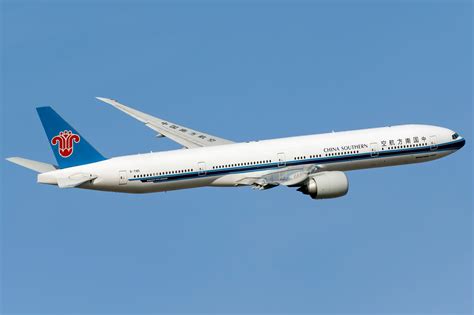
China Southern Becomes China’s First Boeing 777-8F Customer
China Southern Airlines disclosed the transaction through filings with the Shanghai Stock Exchange, officially confirming its commitment to Boeing’s newest large freighter program. The purchase consists of two current-generation Boeing 777 Freighters alongside five examples of the upcoming 777-8F, giving the airline immediate fleet expansion while preparing for the next generation of cargo operations.
According to the carrier, the seven firm aircraft carry a combined list price of approximately US$3.618 billion. If all three purchase options are exercised, the transaction would increase to around US$5.24 billion based on Boeing’s catalog pricing.
Although commercial aircraft transactions almost always involve confidential discounts, the size of the order underscores the airline’s confidence in Boeing’s long-term cargo strategy. Large fleet purchases often receive discounts approaching fifty percent depending on financing arrangements, delivery schedules, and existing relationships between airlines and manufacturers. Nevertheless, the agreement represents one of the most valuable cargo aircraft purchases announced by a Chinese airline in recent years.
Beyond the numbers, becoming the launch customer for the 777-8F in China gives China Southern a strategic advantage by positioning its cargo network around Boeing’s newest widebody freighter platform before domestic competitors introduce similar aircraft.
Why the Boeing 777-8F Matters for Global Air Cargo
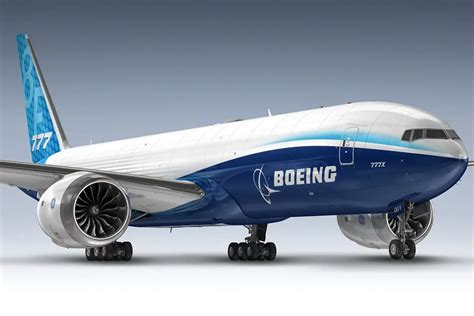
The Boeing 777-8F represents the future of Boeing’s dedicated cargo aircraft lineup. Derived from the wider Boeing 777X family, the aircraft combines the advanced composite wing, new folding wingtips, improved aerodynamics, and next-generation GE9X engines with a purpose-built freighter configuration.
These technological improvements are expected to deliver significantly better fuel efficiency compared with older large freighters while maintaining the payload capabilities demanded by global cargo operators. As environmental regulations tighten and fuel costs remain a major operating expense, airlines increasingly prioritize aircraft capable of lowering operating costs across long-haul routes.
The 777-8F has also been designed to replace aging Boeing 747 freighters that have gradually disappeared from commercial service. Four-engine cargo aircraft once dominated international freight, but twin-engine designs now offer lower maintenance requirements, improved fuel efficiency, and greater operational flexibility without sacrificing range.
The aircraft therefore occupies an attractive position within Boeing’s product portfolio, providing airlines with a modern replacement for older fleets while supporting future cargo growth.
Boeing Strengthens Its Position in the Chinese Market
The timing of China Southern’s announcement carries considerable significance. The order follows renewed optimism surrounding commercial aviation relations between the United States and China after discussions indicating China could potentially purchase hundreds of Boeing aircraft over the coming years.
For Boeing, every Chinese order represents more than individual aircraft sales. China remains one of the world’s largest aviation markets, with passenger demand, cargo growth, and fleet modernization creating enormous long-term opportunities. Winning new commitments from Chinese airlines demonstrates that Boeing continues to play an essential role despite years of market uncertainty.
The agreement also arrives shortly after Airbus secured its own major Chinese success through an order for additional A330neo aircraft. Competition between the world’s two largest aircraft manufacturers remains particularly intense in China, where airlines frequently balance purchases between Boeing and Airbus while expanding rapidly to meet rising transportation demand.
Against this backdrop, China Southern’s decision to become the country’s first 777-8F customer provides Boeing with valuable momentum within one of aviation’s most strategically important markets.
Growing Global Demand for the Boeing 777-8F
While China Southern is Boeing’s first Chinese customer for the aircraft, the 777-8F has already attracted considerable international interest. Boeing has accumulated dozens of firm commitments from airlines and cargo operators worldwide, reflecting confidence in the aircraft’s long-term commercial potential.
Qatar Airways currently stands as the program’s largest customer with 34 firm orders, making it the dominant launch operator for the type. Luxembourg-based cargo specialist Cargolux has committed to 10 aircraft, while Taiwan’s China Airlines has ordered eight examples.
Other customers include Lufthansa Cargo with seven aircraft, alongside smaller commitments from All Nippon Airways and Silk Way West Airlines. Collectively, these orders demonstrate that major cargo operators across multiple continents expect sustained demand for efficient long-range freighters throughout the coming decades.
Each new customer also strengthens Boeing’s production program by expanding the aircraft’s global operator base before deliveries begin.
Competition with the Airbus A350F Intensifies
The Boeing 777-8F enters an increasingly competitive market led by Airbus’ new A350F freighter program. Both aircraft target airlines seeking replacements for aging Boeing 747 freighters while offering substantial reductions in fuel burn, emissions, and operating costs.
The Airbus A350F has secured an impressive number of commitments, surpassing one hundred firm orders from airlines and cargo specialists worldwide. Atlas Air currently represents its largest disclosed customer, illustrating strong industry interest in Airbus’ next-generation cargo platform.
Despite this competition, Boeing continues benefiting from the enormous installed base of existing Boeing 777 operators. Airlines already flying passenger or cargo variants of the 777 often enjoy significant maintenance, training, and operational advantages when expanding with additional Boeing aircraft. These commonality benefits reduce transition costs while simplifying fleet management, making the 777-8F an attractive option for many established operators.
China Southern’s Expanding Cargo Strategy
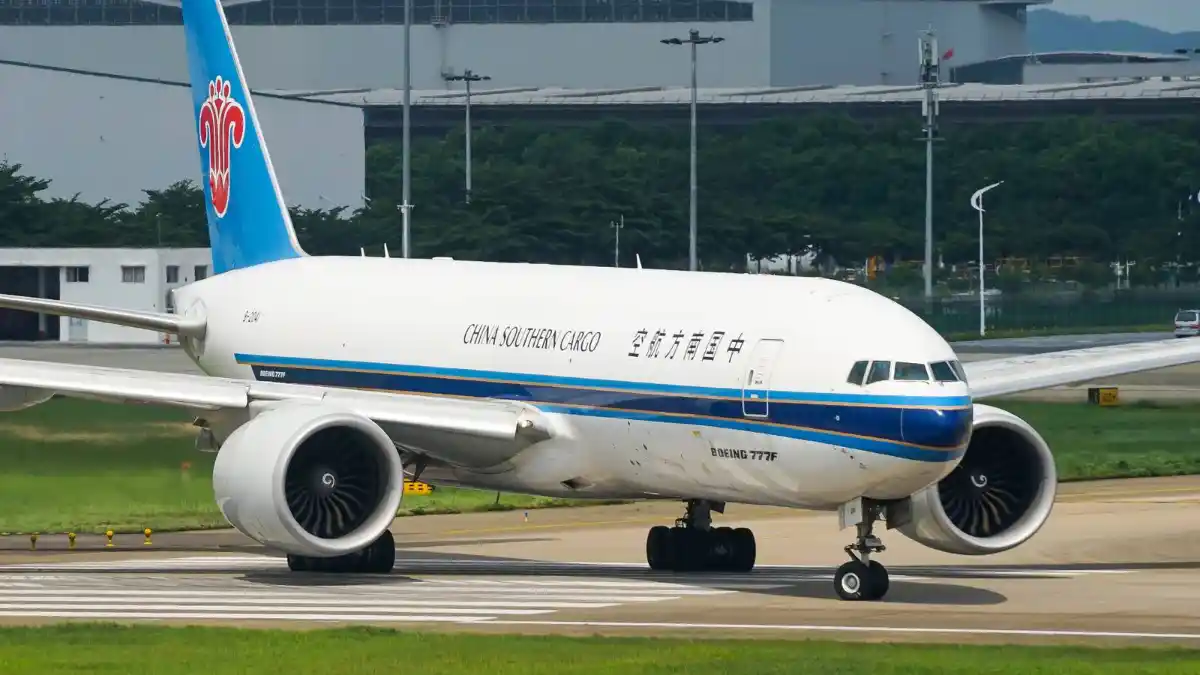
China Southern already possesses extensive experience operating Boeing freighters. Its cargo fleet currently includes 19 Boeing 777 Freighters, divided between the airline itself and its dedicated cargo division. These aircraft have become central to the carrier’s international freight network, connecting China with major markets across Asia, Europe, and North America.
The airline previously operated Boeing 747-400F aircraft before retiring the final examples after nearly two decades of service. The transition toward newer twin-engine freighters reflects broader industry trends emphasizing efficiency, reliability, and lower operating costs.
Adding both current-generation 777Fs and future 777-8Fs enables China Southern to modernize its cargo fleet while preserving operational commonality. Pilots, maintenance personnel, and ground crews can leverage existing expertise, reducing training requirements and simplifying fleet integration.
A Strategic Win for Boeing’s Future
China Southern Airlines’ landmark order extends well beyond the sale of seven cargo aircraft. It signals growing confidence in Boeing’s newest freighter platform, reinforces the manufacturer’s presence in China’s strategically important aviation market, and strengthens the commercial outlook for the 777-8F program.
As global e-commerce continues expanding and international supply chains demand faster cargo transportation, modern widebody freighters will remain essential assets for airlines seeking competitive advantages. By securing its first Chinese 777-8F customer, Boeing has positioned itself to participate in the next chapter of China’s cargo aviation growth while adding another major endorsement for one of its most important future aircraft programs.