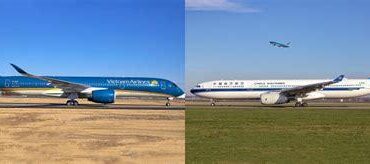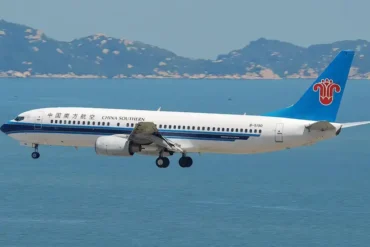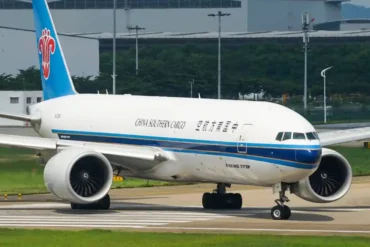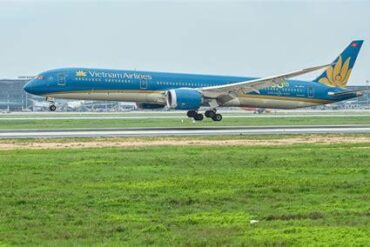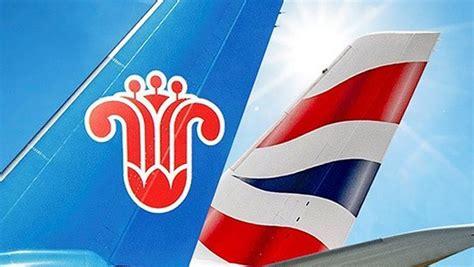
In a move poised to reshape air travel between Southeast Asia and China, Vietnam Airlines and China Southern Airlines have officially launched a historic joint venture, marking a significant milestone in aviation cooperation between the two nations. This strategic alliance, effective August 1, 2025, is the first of its kind between a Vietnamese and a Chinese airline, underlining growing bilateral ties and a mutual ambition to dominate one of Asia’s most competitive air corridors.
The agreement encompasses comprehensive codesharing, synchronized flight scheduling, frequent flyer program integration, and interline check-in services, delivering a seamless travel experience for passengers flying between China and Vietnam. The joint venture builds on more than a decade of cooperation, dating back to a codeshare agreement in 2010, and reflects both carriers’ efforts to capture rising demand for cross-border air travel in the post-pandemic recovery landscape.
Strategic Alignment of Two Regional Giants
Vietnam Airlines and China Southern Airlines have each cultivated extensive route networks across East and Southeast Asia. By combining operational strengths, the two airlines aim to dominate the China–Vietnam air corridor, which is seeing a sharp resurgence in demand from business and leisure travelers alike.
China Southern Airlines, headquartered in Guangzhou, currently operates up to 111 weekly flights from major Chinese cities—including Shanghai Pudong, Shenzhen, and Changsha—to Vietnamese destinations such as Hanoi, Ho Chi Minh City, and Nha Trang.
In contrast, Vietnam Airlines maintains a robust presence in China with up to 50 weekly flights connecting Beijing, Shanghai, Guangzhou, Jinan, and Wuxi to its Vietnamese hubs. The joint venture will consolidate these schedules, minimizing overlap and enabling optimized flight connections through their respective hubs in Guangzhou and Hanoi.
A Decade-Long Partnership Matures
The alliance represents the culmination of a long-standing partnership that began with codeshare agreements over a decade ago. In 2022, the two airlines expanded their collaboration to cover technical operations, commercial agreements, and now, under the new venture, they are committing to a deeper integration of their service offerings.
Their mutual statement underscores a commitment to prioritize each other’s services at airports they jointly serve. This includes not just sharing gates and lounges, but aligning ground services, check-in protocols, and baggage handling systems. Such cooperation is expected to streamline operational efficiency and reduce transit times significantly.
Codesharing and Seamless Passenger Experience
At the heart of this joint venture lies an ambitious codesharing strategy that allows both carriers to place their flight numbers on each other’s services. This approach is designed to give passengers greater flexibility and more flight options without compromising on connectivity. It also permits travelers to book through either airline’s platform and access a broader network of routes across both countries.
Moreover, the interline check-in agreement ensures that passengers with connecting flights across both airlines can enjoy a single check-in process, regardless of which airline issues the ticket. This not only cuts down on wait times but also enhances the overall passenger journey by synchronizing baggage transfers and boarding passes.
Frequent Flyer Program Integration
In a move designed to foster long-term customer loyalty, Vietnam Airlines and China Southern have also agreed to fully integrate their frequent flyer programs. Members of Vietnam Airlines’ Lotusmiles and China Southern’s Sky Pearl Club will now be able to earn and redeem miles across both networks.
This integration marks a pivotal benefit for frequent business travelers, allowing for unified mileage accrual, elite status recognition, and access to premium airport services such as lounges and priority boarding.
Enhancing Hub Development and Infrastructure
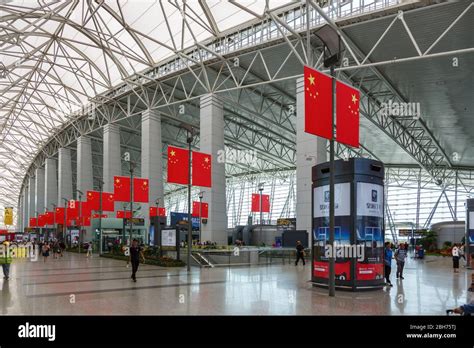
Another key pillar of the partnership is the joint development of hub airports. Both carriers have pledged to collaborate in enhancing infrastructure and connectivity at their major hubs—Noi Bai International Airport (Hanoi) for Vietnam Airlines and Guangzhou Baiyun International Airport for China Southern.
This includes coordinated investments in gate allocation, maintenance facilities, and passenger transfer infrastructure, which are vital to supporting high-volume traffic flows. In the longer term, the two airlines are expected to influence airport master planning to accommodate growing demand.
Driving Growth Amidst Regional Competition
The timing of this joint venture is strategic. The regional aviation market is undergoing a rapid transformation as post-pandemic recovery stimulates demand for both business and leisure travel. Southeast Asia, with its burgeoning middle class and intra-Asia tourism boom, is becoming a fiercely contested battleground for market share.
Vietnam Airlines and China Southern aim to leverage their alliance to fend off regional competitors such as Thai Airways, Singapore Airlines, and Cathay Pacific, all of whom are eyeing the same lucrative routes. The venture enhances their ability to offer more competitive pricing, better flight frequencies, and an enriched service offering.

Implications for Passengers and the Industry
For travelers, this venture translates into a more connected, more efficient travel experience. The combined schedule means more daily options, shorter layovers, and better overall access between secondary cities in both countries. Passengers traveling from cities like Wuxi or Jinan can now connect seamlessly through Guangzhou to Vietnam’s central and southern hubs, while Vietnamese passengers gain similar access into China’s interior.
From an industry perspective, the move is being closely watched as a potential template for future regional alliances. The joint venture demonstrates how strategic partnerships can overcome regulatory and competitive barriers, especially in complex airspaces like East Asia. It may also prompt other national carriers in Southeast Asia to pursue similar partnerships, not just with Chinese airlines but with global players.
Future Expansion and Regional Integration
Looking ahead, insiders suggest the possibility of expanding the joint venture to include cargo operations, joint aircraft maintenance, and even pilot training programs. As the two carriers grow more interdependent, they may also align on fleet strategy, enabling bulk aircraft procurement and standardized cabin configurations.
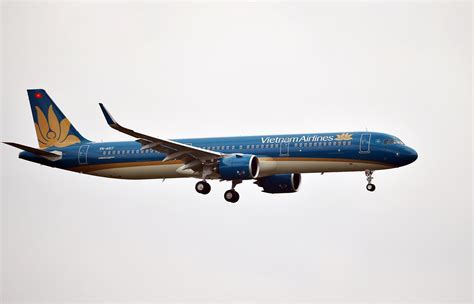
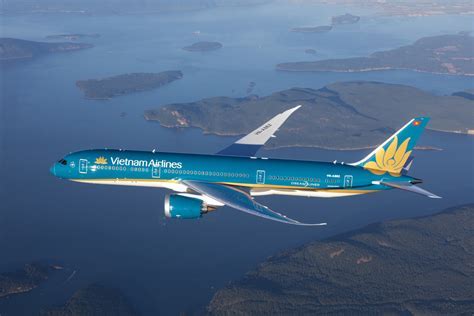
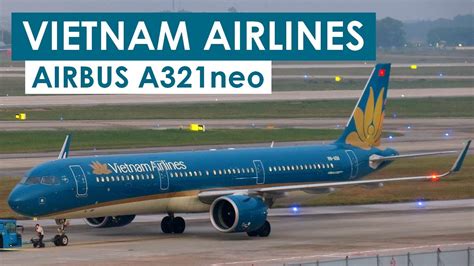
Vietnam Airlines has already made significant investments in its A321neo fleet, while China Southern operates a mix of wide-body aircraft such as the Boeing 787 Dreamliner and Airbus A350. Harmonizing fleet operations could further enhance efficiency and create a unified brand experience for passengers.
Conclusion: A Milestone in Asia-Pacific Aviation
The joint venture between Vietnam Airlines and China Southern Airlines is more than a commercial alliance—it is a strategic leap toward deeper regional integration. As travel between China and Vietnam continues to grow, this partnership ensures that both carriers are well-positioned to meet future demand, deliver superior passenger experiences, and lead in the new era of Asia-Pacific aviation.
By synchronizing operations, optimizing resources, and delivering a unified customer service model, this joint venture sets a new benchmark for regional cooperation in the airline industry. With their combined strength, Vietnam Airlines and China Southern are not only bridging nations, but also shaping the future of cross-border air travel in Asia.