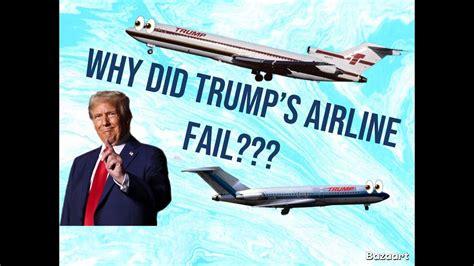
In the late 1980s, the American aviation landscape saw an ambitious new entrant take flight under the banner of Trump Shuttle, an airline venture personally spearheaded by real estate mogul Donald J. Trump. From its inception in 1989 to its final transformation in 1992, the airline aimed to redefine short-haul business air travel in the Northeastern United States. This article explores in detail the origin, evolution, and eventual dissolution of Trump Shuttle—a business experiment that merged luxury branding with high-frequency shuttle service.
Origins: The Birth of Trump Shuttle from Eastern Air Lines
The story of Trump Shuttle began in the turbulent environment of the late 1980s aviation sector. Eastern Air Lines, a once-prominent carrier, was financially struggling. Among its assets was the highly profitable Eastern Shuttle, a no-frills, high-frequency air service connecting New York City, Boston, and Washington, D.C. As Eastern sought ways to raise capital, it spun off the shuttle division into a separate entity, attracting the attention of Donald Trump.
Trump struck a deal to acquire the shuttle operation for $365 million, a sum that included 17 Boeing 727 aircraft, exclusive landing rights at three key airports, and permission to rebrand the airline under his name. Backed by financing led by Citibank, Trump officially launched his air venture on June 8, 1989.
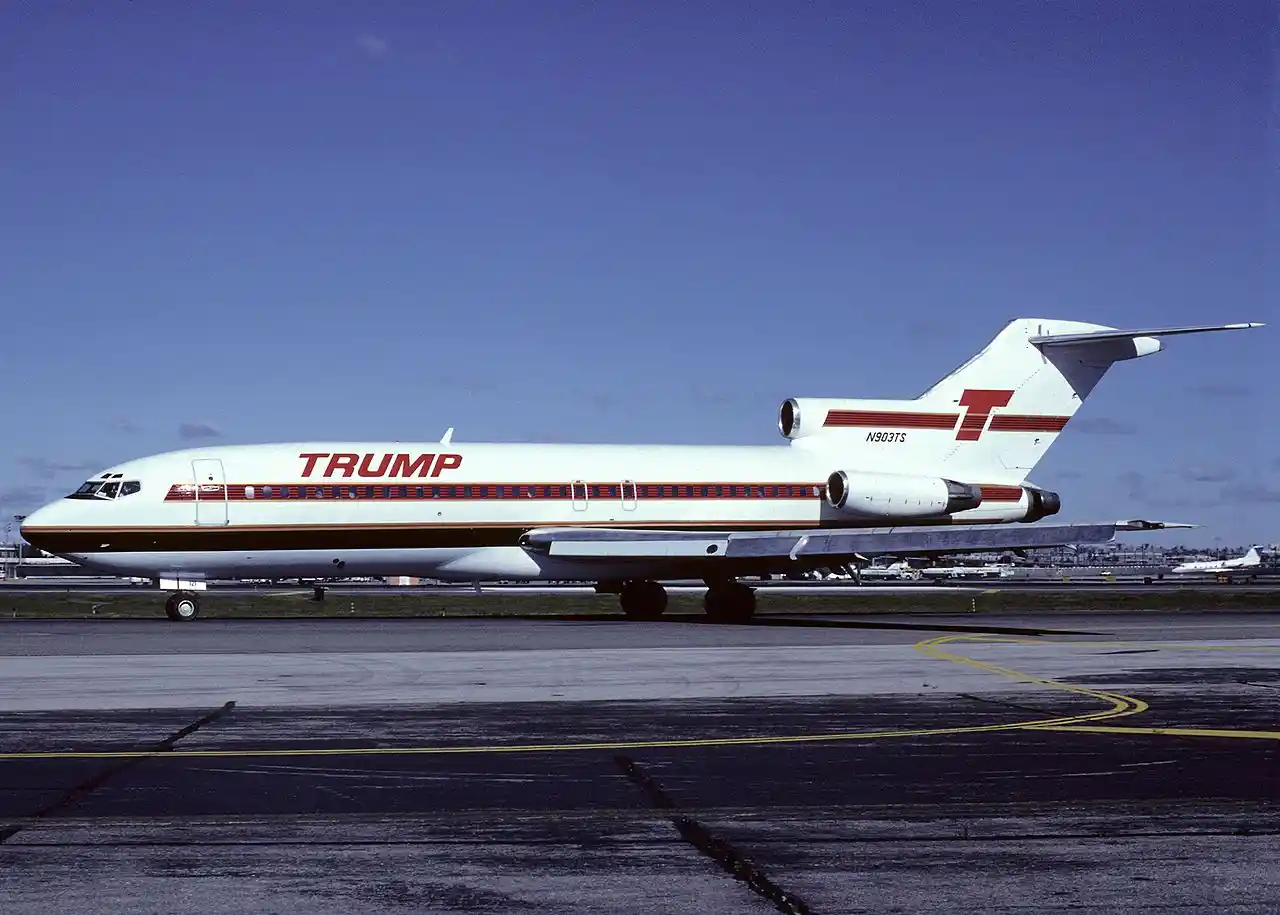
Within months, Trump Shuttle had reclaimed a 40–50% market share, proving its viability despite fierce competition and a shaky economic environment. However, Trump had more ambitious goals than simply maintaining the status quo.
Redefining the Business Shuttle: Luxury and Technology
From the outset, Trump envisioned a luxury transformation of what had historically been a utilitarian service. He sought to reinvent the air shuttle model, infusing it with the same opulence that characterized his hotels and casinos. Aircraft were repainted with a clean white livery and adorned with maple wood veneers, chrome seat belt fittings, and gold-colored lavatory fixtures.
The passenger experience was elevated beyond expectations for a one-hour flight. Complimentary steak and chicken meals, as well as champagne, beer, and wine, became part of the standard offering. In terms of innovation, Trump Shuttle became a technology pioneer:
- Self-service kiosks were introduced at LaGuardia Airport in partnership with Kinetics, easing the check-in process.
- LapStop, a startup tech firm, allowed passengers to rent laptops during flights.
- The airline also featured GTE Airfone in-flight telephones, a luxury for business travelers at the time.
Trump didn’t merely want an airline—he wanted a flying showcase for the Trump brand, meticulously curated to reflect his vision of premium American service.
The August 1989 Incident: A Test of Leadership
The airline’s image faced a critical test just two months into operations. In August 1989, a Trump Shuttle aircraft suffered a nose gear failure upon landing in Boston. The incident was traced to maintenance oversights by Eastern Air Lines before the transition. Rather than let the media spiral out of control, Trump personally boarded the next flight to Boston, displaying hands-on crisis management and confidence in the safety of his brand.
This public gesture temporarily helped stabilize customer perception. Yet, behind the scenes, the cracks were beginning to form.
Turbulence Ahead: Economic Recession and Rising Costs
Despite its glamorous presentation, Trump Shuttle was never profitable. The U.S. entered a recession in late 1989, severely affecting business travel in the Northeast. Compounding the issue, the Iraqi invasion of Kuwait in August 1990 caused jet fuel prices to double almost overnight.
Simultaneously, Trump’s casino empire began to falter, creating immense financial pressure. The Shuttle’s core clientele—corporate travelers—cut budgets, and revenues fell. Operational costs soared. In September 1990, the airline defaulted on its debt. The once-promising airline was now hemorrhaging cash.
To stay afloat, Trump Shuttle pivoted to charter services, including notable missions like transporting Nelson Mandela during his American tour and carrying U.S. military personnel between bases during the Gulf War. Despite these efforts, the financial runway was running out.
Debt, Default, and the End of the Line
Trump had personally guaranteed $135 million of the airline’s debt, an aggressive move that backfired as losses mounted. Discussions began with Northwest Airlines in early 1991 to take over the operation in exchange for relieving Trump’s liabilities. However, labor disputes and valuation disagreements scuttled the deal.
Eventually, USAir (later US Airways) stepped in. In December 1991, they agreed to take operational control of Trump Shuttle, with an option to purchase after five years. Trump was relieved of roughly $100–110 million in personal guarantees, though he still owed between $25–35 million. On April 7, 1992, Trump Shuttle ceased to exist as a brand. Five days later, it was rebranded as USAir Shuttle under a new company called Shuttle, Inc.
Aftermath: Mergers and Legacy
The corporate lineage of Trump Shuttle didn’t end there. In 1997, US Airways bought the remaining shares of Shuttle, Inc., fully integrating the operation. By 2015, US Airways had merged with American Airlines, and the shuttle route was rebranded once again, this time as the American Airlines Shuttle.
While the Trump Shuttle brand was short-lived, its influence lingered. The concept of premium shuttle travel and tech-enhanced passenger experiences had left a mark, proving that even legacy business models could be reinvented—though not without risk.
The Helicopter Division: Trump Air’s Short Vertical Lifespan
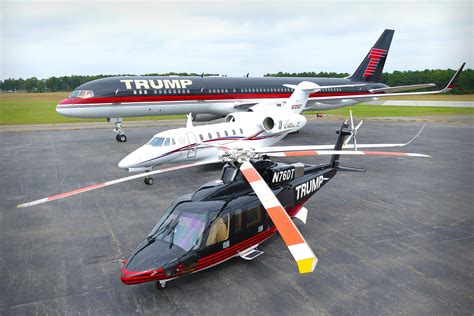
Running parallel to the airline, Trump launched a helicopter service called Trump Air in March 1988, before the shuttle airline even took off. Originally composed of three Sikorsky S-61 helicopters inherited from Resorts International Airlines, the fleet was painted black and red and emblazoned with Trump’s branding.
Routes were designed for high-end commuters and casino-goers:
- Wall Street Heliport to LaGuardia Airport, connecting to Trump Shuttle flights.
- West 30th Street Heliport to Steeplechase Pier in Atlantic City, serving Trump’s casino customers.
- New York to East Hampton, targeting affluent summer travelers.
Fares ranged between $49 and $125, and flight times averaged 48 minutes. Though the helicopter service was operational until 1992, it faded along with the airline as Trump’s financial empire contracted.
Fleet Profile: Boeing Workhorses of the Shuttle
Trump Shuttle’s fleet consisted of robust, tried-and-tested aircraft designed for high-frequency service:
- 8 Boeing 727-100
- 17 Boeing 727-200
These planes were retrofitted to reflect Trump’s luxury vision and, at their peak, helped the shuttle achieve a strong, if temporary, position in the Northeast corridor.
Conclusion: A Case Study in Branding, Risk, and Timing
The Trump Shuttle experiment serves as a revealing chapter in the convergence of branding, aviation, and high-stakes finance. It showcases the ambition to reimagine a utilitarian service through luxury and innovation. However, it also underscores the volatility of airline economics, especially when over-leveraged during periods of recession and geopolitical unrest.
In hindsight, Trump Shuttle was a bold, perhaps hubristic, effort to transplant a personal brand onto a structurally fragile business. It soared briefly, shimmered with glamour, and then quietly disintegrated into the fabric of larger airline mergers. Today, its legacy exists not in longevity, but in the vivid, gold-plated spectacle it briefly became.