FlyEgypt, a once-promising player in Egypt’s aviation industry, embodied the ambitions of a new wave of low-cost and charter air travel in the Middle East. Founded in 2014 and commencing operations in early 2015, the airline set out with a clear mission — to bridge Egypt with key leisure and religious destinations affordably and efficiently. Though short-lived, the airline’s journey from takeoff to cessation presents a compelling narrative of opportunity, expansion, and eventual decline in one of the world’s most competitive air travel markets.
The Birth of FlyEgypt: A Vision to Democratize Air Travel
FlyEgypt was incorporated in Cairo, Egypt, with a bold objective: to offer affordable air transport options to both leisure and religious travelers across the region. Its operations began on February 12, 2015, with a maiden flight between Cairo and Jeddah, targeting Egypt’s robust outbound market of Hajj and Umrah pilgrims. This strategic move instantly positioned the airline within a niche, high-demand segment.
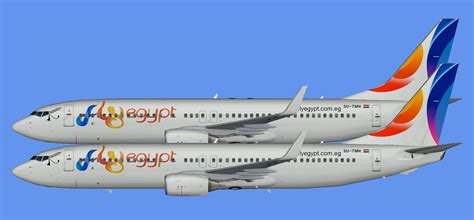
Unlike traditional carriers, FlyEgypt operated initially as a single-class charter airline, simplifying operations and enabling it to offer significantly lower prices. With a fleet composed solely of Boeing 737-800 aircraft, configured in an all-economy layout with 189 seats, the airline aimed to maximize capacity and operational efficiency.
Operational Philosophy and Strategic Focus
The airline’s strategy revolved around serving underserved markets and seasonal routes, especially popular among tourists from Europe and the Middle East. FlyEgypt’s commitment to a lean fleet and cost-efficient model allowed it to maintain a competitive edge. Unlike full-service carriers burdened by legacy costs, FlyEgypt carved out routes where demand was seasonal yet steady, such as Zürich to Marsa Alam, which launched in July 2015.
FlyEgypt’s dual operational hubs at Cairo International Airport and Borg El Arab Airport in Alexandria further enhanced its logistical reach. These bases enabled better regional distribution of flights, especially to and from Saudi Arabia, a market that remained central to the airline’s mission until its closure.
Destinations and Market Penetration
As of early 2022, FlyEgypt operated a compact yet diverse network of nine scheduled destinations, excluding seasonal charters. These routes connected Egypt to the Middle East, Eastern Europe, and Central Asia, reflecting a well-calculated focus on destinations with large Egyptian expatriate communities or strong tourism flows.
Key destinations included:
- Saudi Arabia (Jeddah, Medina, Riyadh, Yanbu)
- United Arab Emirates (Sharjah)
- Uzbekistan (Tashkent)
- Armenia (Yerevan – seasonal)
- Domestic Egypt (Alexandria, Cairo, Sharm El Sheikh – seasonal)
This network design reflected FlyEgypt’s priority on high-density, religious pilgrimage and tourism-driven traffic, minimizing exposure to low-yield routes. Seasonal flights to resort cities like Sharm El Sheikh and Marsa Alam targeted European tourists, particularly during winter months.
Fleet and Operational Efficiency
FlyEgypt’s fleet was modest. As of June 2023, it comprised only two Boeing 737-800 aircraft. While such a small fleet limits route expansion and flexibility, it also significantly reduces maintenance costs, staff requirements, and fuel logistics. The 737-800, a reliable workhorse for short to medium-haul operations, was ideally suited for FlyEgypt’s charter operations.
The limited fleet, however, came with operational risks. A technical issue with one aircraft could severely disrupt schedules. Moreover, reliance on leased aircraft — typical for low-cost operators — meant ongoing exposure to volatile lease rates and availability.
Management, Workforce, and Leadership Vision
Under the leadership of Ahmed el Helw, FlyEgypt employed a lean team of approximately 600 employees, focusing on cost control and operational agility. The company’s hierarchical structure was built for responsiveness, a necessity in the highly fluid charter segment.
The leadership’s vision, rooted in rapid market adaptability, allowed FlyEgypt to tap into niche opportunities. This agility was demonstrated by its ability to quickly launch new routes, such as the 2023 expansions to Yanbu and Sharjah, and Hurghada–Yerevan in mid-2024.
Yet, this same flexibility couldn’t shield FlyEgypt from the escalating macroeconomic challenges that hit the industry hard in the early 2020s.
Challenges Leading to the Decline
The final chapter of FlyEgypt’s story began unfolding amid rising fuel prices, currency volatility, and post-pandemic economic aftershocks. These pressures were especially acute for small-scale, low-cost carriers with limited financial buffers.
By October 21, 2024, the airline announced a complete cessation of operations due to financial difficulties, bringing to an end nearly a decade of service. Multiple factors converged to seal its fate:
- Escalating operational costs, particularly fuel and aircraft leasing
- Currency depreciation in Egypt, eroding purchasing power and increasing foreign-denominated debt
- Reduced demand on seasonal routes, especially from European tourists post-COVID recovery
- Increased competition from larger regional LCCs such as Flynas and Air Arabia Egypt, which benefited from scale and deeper resources

Impact on Egyptian Aviation and Market Legacy
Despite its closure, FlyEgypt left a distinct imprint on Egypt’s aviation sector. It proved that niche-focused low-cost operations could work — at least temporarily — in a market traditionally dominated by national and full-service carriers. It also showed how smaller airlines could bring regional connectivity to lesser-served airports.
FlyEgypt’s model could serve as a case study for future entrants looking to combine charter efficiency with low-cost scalability. With smarter capital structuring and broader fleet acquisition, a similarly focused airline might find more enduring success.
Moreover, the airline’s network development strategies — such as targeting religious travel markets, leveraging seasonal tourism flows, and tapping Egypt’s diaspora-driven demand — remain relevant to this day.
Looking Ahead: The Lessons of FlyEgypt
FlyEgypt’s rise and fall underscores the fragility of small-scale aviation ventures in emerging markets. Success in such environments demands not only a cost-efficient model but also robust financial planning, risk management, and the ability to scale quickly without overextending.
Future aviation entrepreneurs can draw valuable insights from FlyEgypt’s trajectory:
- Flexibility is essential, but so is depth — operational scaling without compromising service is critical.
- Fleet diversity might offer better resilience against aircraft downtime and route variability.
- Strategic partnerships, such as interline agreements or tourism agency collaborations, could offer revenue protection during lean seasons.
- Digital transformation, including mobile-first booking and dynamic pricing engines, is no longer optional for LCCs.

Conclusion
The end of FlyEgypt is more than the shuttering of an airline. It is the conclusion of a bold experiment in low-cost, regionally tailored air transport in Egypt. From its pioneering flights to Jeddah to its seasonal European operations, FlyEgypt dared to operate differently, albeit within challenging constraints. Its legacy offers a compelling mix of lessons, cautionary tales, and inspiration — a reminder that in aviation, innovation must always be tempered with sustainability.