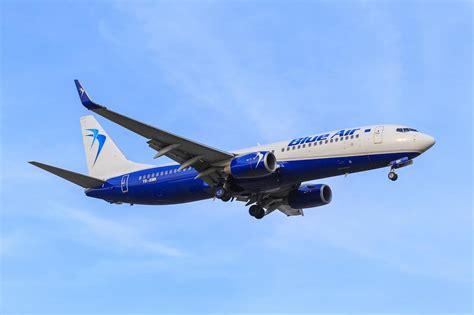
Blue Air, once hailed as Romania’s largest low-cost airline, symbolized the country’s push for accessible European travel and a thriving aviation sector. Headquartered in Bucharest and operating out of Henri Coandă International Airport, the airline quickly rose through the ranks after its founding in 2004, carving a significant footprint in Eastern and Western Europe. From rapid expansion to a dramatic financial collapse, the airline’s trajectory was both inspiring and cautionary.
Foundation and Rapid Expansion
Founded by Nelu Iordache, Blue Air took flight in December 2004. Initially offering both domestic and international services, it quickly faced stiff competition on home routes. Services within Romania were discontinued early on, due to competitive pressures from TAROM and the Romanian rail operator Căile Ferate Române.
However, the airline pivoted strategically. By 2015, it re-entered the domestic market, starting with the Bucharest–Iași route, and began an aggressive expansion strategy that would define its most successful years. A pivotal moment came in 2013, when the airline was sold to four Romanian investors. With a critical €30 million bailout, Blue Air rebounded, transporting 1.5 million passengers in 2014, up from 1.35 million in 2013. That number soared past 2 million in 2015, cementing its place as a major player.
This surge in traffic coincided with a financial turnaround. Blue Air reported a net profit of €6 million in 2015, a significant improvement over its €400,000 loss the previous year. The airline’s reputation strengthened with IATA membership in January 2016 and IOSA certification in December 2015, benchmarks that signaled operational safety and compliance with global standards.
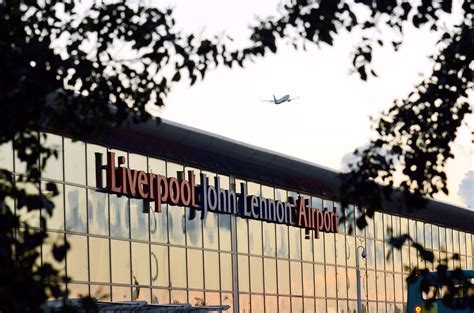
In 2017, Blue Air launched a new international base at Liverpool John Lennon Airport, deploying a specially painted Boeing 737-800 aircraft with a custom “Liverpool Music City” livery. The branding—featuring slogans like “Cool city, Warm welcome”—helped generate buzz across Europe and showcased the airline’s marketing flair.
Strategic Shifts and Acquisitions Post-2018
In 2018, Blue Air restructured as a joint-stock company, adopting the name Blue Air Aviation SA. That year also marked a bold move into international investment. Partnering with Moldovan investors under the Civil Aviation Group, Blue Air acquired Air Moldova for 50 million MDL (€2.56 million), assuming debts of over 1.2 billion MDL (€61 million). The move signaled its ambition to lead regional aviation development beyond Romanian borders.
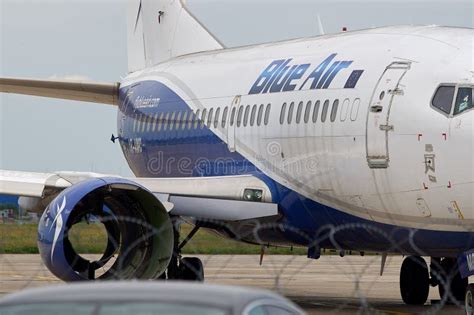
Yet, this rapid expansion came at a cost. Operational complexity increased, while financial buffers thinned. In 2020, as the global pandemic crushed air travel demand, Blue Air’s vulnerabilities were exposed. On 6 July 2020, the airline filed for bankruptcy protection, citing a collapse in revenue. A €65 million state loan offered temporary relief, but by November, Blue Air had to retire its aging 737-300 and 737-500 aircraft in favor of newer models.
Collapse and Suspension of Operations
Troubles escalated in September 2022, when Romanian authorities seized Blue Air’s accounts, citing unpaid debts. This forced an immediate suspension of operations on 6 September 2022, leaving thousands of passengers stranded. Although the government lifted the freeze the next day, and Blue Air hoped to resume limited operations with five aircraft, the situation deteriorated rapidly.
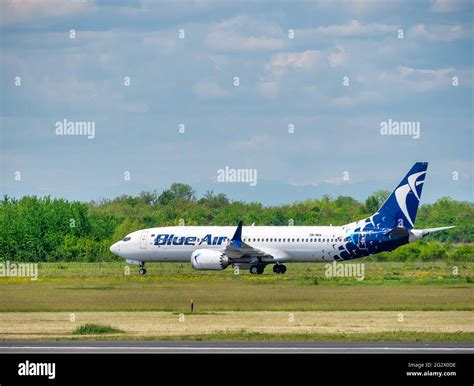
Unable to afford basic operational costs like fuel and airport services, the airline suspended all flights until at least 10 October 2022, and soon after removed its entire network from sale. By the end of the month, all five Boeing 737 MAX 8 aircraft were repossessed by lessors and transferred to LOT Polish Airlines.
In December 2022, the Romanian state nationalized 75% of Blue Air, citing the airline’s failure to repay the government loan. Blue Air, now dormant and facing insurmountable challenges, had accrued €250 million in debt. On 21 March 2023, the company formally filed for insolvency, marking a definitive end to its ambitions.
Business Performance: From Peaks to Plummet
Blue Air’s financial evolution tells a story of both impressive growth and catastrophic collapse. From €24 million in turnover in 2005, revenue peaked at €495 million in 2018, propelled by the airline’s aggressive expansion and fleet investment. Passenger volume mirrored this growth, climbing from 1.1 million in 2008 to a record 5.2 million in 2018.
Yet, by 2020, turnover had plunged to €108 million, and passenger traffic fell to 1.6 million, reflecting the pandemic’s impact and waning public confidence. Despite attempts at modernization and restructuring, the financial weight of accumulated debt and reduced liquidity sealed the airline’s fate.
Operational Footprint and Network Reach
Blue Air’s primary hub was Henri Coandă International Airport, a move necessitated by the 2012 commercial closure of Aurel Vlaicu (Băneasa) Airport due to urban expansion and surging taxes. Henri Coandă remained its base of operations until the final cessation of services.
The airline also established secondary bases in:
- Bacău International Airport
- Cluj International Airport
- Turin Airport (Italy)
Temporary operational hubs included Liverpool, Alghero, Constanța, Iași, and Larnaca, although most were closed by 2020. The Iași base was even scheduled for a 2023 relaunch with 14 new routes before operations were permanently suspended.
As of September 2022, Blue Air maintained a network of 75 destinations across 21 countries, with services ranging from scheduled flights to seasonal charters and ad-hoc operations. Notable routes connected Romania to major European cities, including London, Paris, Rome, Madrid, and Athens.
Alliances, Partnerships, and Competitive Strategy
Blue Air built strategic ties within the airline industry to extend its reach and facilitate booking flexibility. Key partnerships included:
- Codeshare agreement with Cyprus Airways, allowing passengers to benefit from shared flight numbers and improved connectivity.
- Interline agreement with Hahn Air, giving Blue Air greater access to global distribution networks and travel agency sales.
Such alliances were particularly vital for an independent carrier without the backing of a larger airline group.
The Fleet: From Expansion to Downsizing
In its prime, Blue Air operated a fleet of Boeing 737 variants, including the -300, -400, -500, -700, -800, and the 737 MAX 8. The latter symbolized the airline’s push toward modernization and efficiency. However, financial difficulties forced the retirement of older aircraft by late 2020.
By January 2023, Blue Air’s final fleet consisted of just two stored Boeing 737-500 aircraft, neither of which were in operational service. The rest of its fleet, including the advanced MAX 8s, had been returned to lessors.
In earlier years, the airline also temporarily operated Saab 340 and Saab 2000 aircraft, mostly through leasing arrangements. However, these turboprops were phased out well before Blue Air’s final crisis.
Conclusion: A Case Study in Growth and Mismanagement
The story of Blue Air is emblematic of the volatile nature of the low-cost aviation market in Eastern Europe. From humble beginnings in 2004 to an expansive pan-European network by 2018, the airline achieved remarkable growth on limited resources. Yet, its downfall underscores the risks of overleveraging and inadequate crisis management.
Although its assets and brand may yet be sold off or repurposed, Blue Air’s trajectory will remain a textbook example of the high stakes and rapid shifts within the aviation sector. Its story offers vital lessons in strategy, risk, and resilience in a post-pandemic world of travel.