Lynx Air’s story is emblematic of ambition meeting economic headwinds—a bold attempt to revolutionize air travel in Canada with the ultra-low-cost carrier (ULCC) model that ultimately succumbed to industry turbulence. Legally incorporated as 1263343 Alberta Inc., Lynx Air was based in Calgary, Alberta, and began operations in earnest on April 7, 2022, before ceasing all flights less than two years later on February 26, 2024, following its entry into creditor protection.
The airline’s short-lived but intensely scrutinized existence is a tale of persistence, vision, and the ruthless reality of aviation economics in a post-pandemic world.
Foundations in the Oil Sands: The Enerjet Years
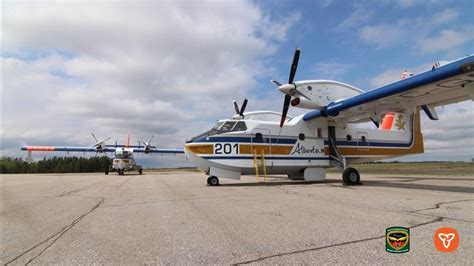
Lynx Air’s origins stretch back to 2006 under the moniker New Air & Tours, which soon became Enerjet in October 2008. Enerjet was never a conventional commercial airline. Instead, it filled a strategic niche, transporting workers to and from remote oil sands projects in Alberta. Its business model was firmly anchored in chartered services—a reflection of the economic ecosystem of Western Canada.
Enerjet obtained its Air Operator Certificate (AOC) in November 2008, allowing it to operate legally as a commercial airline in Canada. The leadership included Tim Morgan, a co-founder of WestJet, who brought operational credibility and strategic vision. Yet, even with seasoned leadership, Enerjet remained focused on ad-hoc charter services, never venturing into the complex waters of scheduled low-cost service.
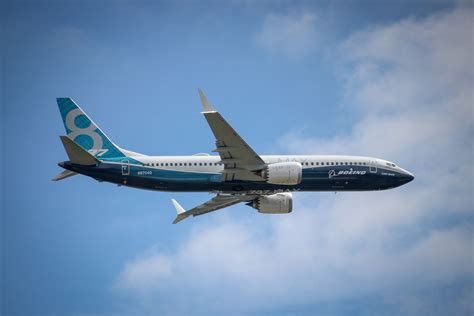
Plans to expand into low-cost territory emerged as early as 2012, but these were continually delayed. By 2015, a fleet renewal plan had emerged: Enerjet secured a commitment for 46 Boeing 737 MAX 8s, signaling a serious push toward commercial scheduled operations. However, the global grounding of the 737 MAX and the crippling effects of the COVID-19 pandemic stalled progress once again, making scheduled passenger operations unfeasible.
Rebirth and Rebranding: The Launch of Lynx Air
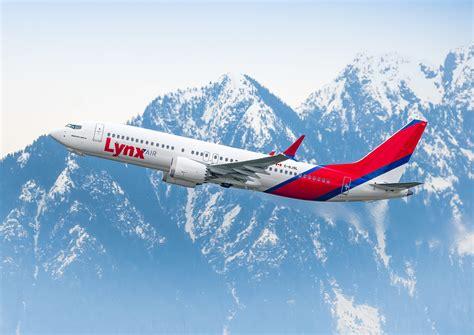
In November 2021, the airline unveiled its new identity—Lynx Air—and with it, a strategic pivot toward becoming a full-fledged ULCC, similar in spirit to carriers like Allegiant, Frontier, or Ryanair. Lynx announced plans to operate a simplified, high-density fleet of Boeing 737 MAX 8s, leveraging fuel efficiency and lower per-seat operating costs.
By the time its first official flight departed on April 7, 2022, the airline had adopted a lean cost structure, focusing on unbundled fares, allowing passengers to pay only for what they use—checked baggage, seat selection, priority boarding, and food all came at extra cost.
Leadership played a critical role in this rebirth. Merren McArthur, a seasoned airline executive from Australia, took the helm as CEO, flanked by CCO Vijay Bathija, COO Jim Sullivan, and CFO Mike Woodward. Their vision was to disrupt the high-cost Canadian aviation market by offering competitive fares on both domestic and eventually international routes.
Fleet Strategy: A Streamlined but Ambitious Approach
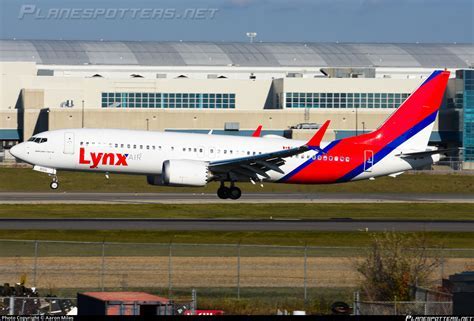
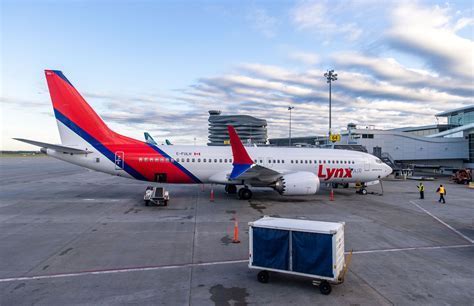
Lynx Air operated with a focus on fleet uniformity. Its eight Boeing 737 MAX 8 aircraft, configured in single-class layouts, served as the operational backbone. With fuel efficiency as a cornerstone of the ULCC model, the MAX 8s were critical to minimizing cost per available seat mile (CASM).
In addition to the original 46-aircraft order, the airline secured 11 additional aircraft in March 2022, bringing total planned fleet size to 57, scheduled for phased delivery through 2028. This indicated confidence in scalability and long-term growth projections.
Prior to this, under Enerjet, the airline had operated a mixed fleet that included:
- Boeing 737-700s
- A leased 737-800
- Twin Otters
- A Twin Comanche
- A leased Airbus A320
This mix of aircraft was suited for flexible charter operations, but Lynx’s commercial pivot required a single-type fleet to simplify maintenance, training, and operational logistics.
Route Development and Market Expansion
Lynx launched its first domestic routes with a strategic focus on underserved and high-demand corridors, such as Calgary–Toronto and Vancouver–Edmonton. The Canadian domestic market, long dominated by Air Canada and WestJet, presented an opportunity for disruption.
By September 2022, Lynx announced plans for U.S. routes, set to commence in early 2023. Destinations in the United States and Mexico were added to its seasonal and year-round network, including:
- Phoenix, Arizona
- Las Vegas, Nevada
- Orlando, Florida
- Cancún, Mexico
At its peak, the airline served 17 planned and operational destinations, though not all became active due to financial constraints and aircraft availability. Several seasonal or unfulfilled routes were later terminated, often without significant notice.
Challenges in Execution: Turbulence Ahead
While the vision was bold, Lynx faced significant structural headwinds. Firstly, entering the market as a ULCC in a geographically vast and low-density country like Canada placed natural limitations on profitability. Canada lacks the population density of Europe or the United States, making high-frequency, short-haul ULCC operations harder to sustain.
Secondly, Lynx launched during a volatile recovery period following the COVID-19 pandemic. Surging fuel prices, inflation, labor shortages, and weak discretionary travel demand hampered profitability from the outset.
Further complicating matters was a competitive squeeze from entrenched carriers. WestJet, with its acquisition of Sunwing, consolidated leisure travel. Flair Airlines, another Canadian ULCC, already had a growing footprint. And Air Canada Rouge adjusted its pricing structure to become more competitive on overlapping routes.
Leadership Turnover and Financial Collapse
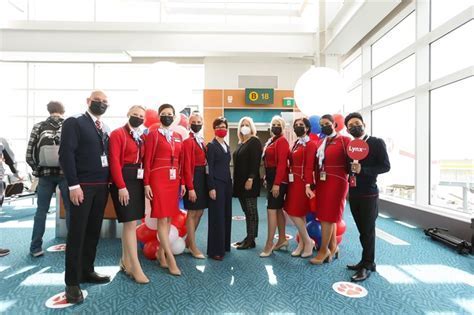
A significant turning point came in September 2023, when CEO Merren McArthur abruptly departed. While no specific reason was publicly disclosed, leadership instability further eroded investor confidence.
The airline struggled with mounting debts and an inability to secure additional financing. On February 22, 2024, Lynx Air announced it would cease all operations effective February 26, citing a need to restructure under creditor protection. All aircraft were returned to WestJet, from which they had been leased or arranged via indirect financing mechanisms.
By this point, the airline had exhausted its initial capital and was unable to sustain daily operations. The reality of thin profit margins, rising operating costs, and limited economies of scale proved too much for the nascent carrier to overcome.
Postmortem: A Vision Derailed, A Lesson Etched in Aviation
Lynx Air’s collapse underscores the brutal realities of the ULCC model in Canada, especially when executed during periods of macroeconomic instability. The promise of affordability alone was not enough to secure long-term viability. The airline lacked the route frequency, market penetration, and brand loyalty required to thrive in a competitive ecosystem.
What remains is a case study in how timing, geography, leadership, and funding coalesce to determine an airline’s fate. Despite its short lifespan, Lynx Air was a valiant effort to democratize Canadian air travel—one that will be studied by aviation analysts and entrepreneurs for years to come.
Conclusion: A Fleeting Roar in Canadian Skies
Lynx Air took flight with promise, clarity of purpose, and a strategic focus on cost-conscious travelers. But even the best-laid business models require the alignment of multiple economic variables. Its departure leaves a void in the Canadian ULCC space and a lingering question: Can ultra-low-cost air travel truly succeed in a country as vast and structurally challenging as Canada?
Though it may be gone, Lynx Air has left behind a poignant reminder that innovation alone is no substitute for resilient execution and adaptive strategy in one of the most unforgiving industries in the world.