A Complex Legacy in American Aviation
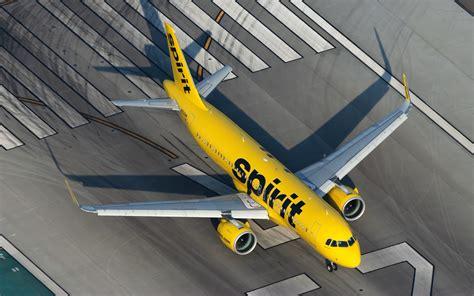
Spirit Airlines, headquartered in Dania Beach, Florida, has long stood as a polarizing yet vital player in the American aviation landscape. Founded in 1964 as Clippert Trucking Company and eventually morphing into an ultra-low-cost carrier (ULCC), Spirit has weathered reinventions, labor disputes, corporate controversies, and the intensifying pressures of a cutthroat airline industry. In 2025, the airline emerged from Chapter 11 bankruptcy, signaling a new phase of strategic revival. With a fleet of 194 Airbus A320-family aircraft and 91 destinations spanning the United States, Latin America, and the Caribbean, Spirit’s legacy is as much about disruption as it is about endurance.
From Charter Flights to National Expansion
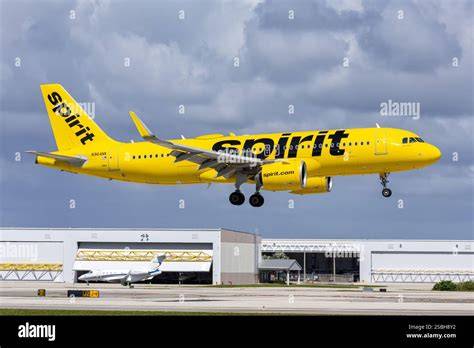
The Spirit story began far from aviation. Launched as a ground transportation firm, it took to the skies in 1983 under the Charter One Airlines banner. Initially providing charter flights to Atlantic City, Las Vegas, and the Bahamas, its transformation into Spirit Airlines in 1992 marked a deliberate pivot. Scheduled services began from Detroit to Atlantic City, then Boston to Providence, catalyzing rapid growth into Florida and Philadelphia by 1994. That same year, a major overbooking incident affected over 1,400 customers, forcing Spirit to implement a stringent customer protection protocol.
In a notable milestone for gender representation, Janet Patton became Spirit’s first female pilot in 1996 and later its first female captain. The company relocated to Miramar, Florida, in 1999, laying down roots that would anchor its future operations.
The Ancillary Revenue Revolution
The 2000s were a decade of recalibration. Spirit faced FAA scrutiny in 2000 for placarding violations, but by 2005, a new chapter began under Ben Baldanza, who became CEO in 2006. Baldanza’s controversial introduction of an ancillary-fee business model fundamentally changed how ULCCs approached profitability. Rather than rely on base fares, Spirit monetized everything—from carry-on luggage to seat selection and even boarding passes. This pivot helped Spirit weather the volatility of oil prices and post-9/11 travel disruption.
By 2007, Spirit introduced the “Big Front Seat”—a low-cost alternative to business class. In 2010, it launched the Free Spirit World MasterCard, tying loyalty and revenue into a single financial ecosystem. However, not all decisions earned praise. A pilot strike in 2010 over compensation and conditions brought operations to a standstill, although a later agreement restored workforce stability.
Technological Advancements and Passenger Experience
Spirit’s early 2010s were marked by firsts. It became the first U.S. carrier to charge for carry-on baggage in April 2010—a move that sparked industry-wide debate. Yet, Spirit persisted, expanding its route network, upgrading operational systems, and addressing union concerns with a five-year dispatcher contract in 2013. By 2017, under CEO Robert Fornaro, Spirit surprisingly ranked second in U.S. on-time performance, a sharp departure from its earlier reputation.
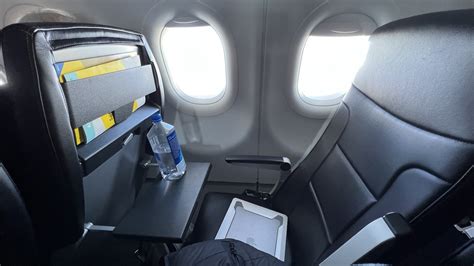
In-flight technology also caught up. Spirit began rolling out high-speed satellite Wi-Fi in 2019 and upgraded to SES-17 satellite connectivity by 2022. These steps transformed its customer experience, appealing to digital-native travelers who demand consistent connectivity.
Growth Stalled by a Pandemic and Failed Mergers
The 2020s tested every U.S. airline, and Spirit was no exception. Despite securing $334 million in CARES Act aid in 2020, the airline had to implement workforce reductions and operational changes. A tragic incident involving a mid-flight COVID-19 fatality exposed flaws in onboard medical protocols, damaging public trust.
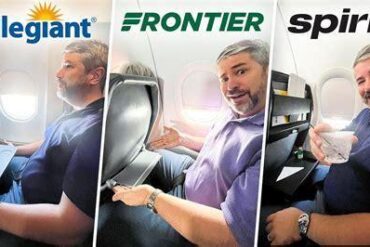
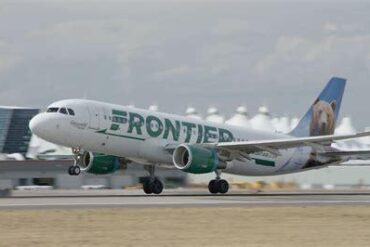
Spirit attempted strategic expansion through fleet modernization, converting orders for Airbus A319neo aircraft into A321neos to improve fuel efficiency and unit economics. It also introduced seasonal spring-break routes to capture leisure traffic spikes. But its two merger attempts—first with Frontier Airlines in 2022 and again in 2025, and a second with JetBlue, blocked by antitrust regulators in early 2024—ended in high-profile failures.
These setbacks, combined with mounting losses ($1.1 billion operating, $1.2 billion net in 2024), led to Chapter 11 bankruptcy protection in November 2024.
Emergence from Bankruptcy and Future Plans
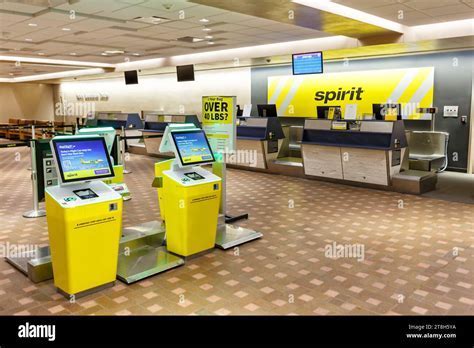
Spirit emerged from bankruptcy in March 2025, restructuring its debt, shedding unprofitable routes, and streamlining operations. On April 17, 2025, Dave Davis was appointed CEO, signaling a new focus on corporate governance and financial discipline. A newly opened 180,222-square-foot headquarters in Dania Beach provided a physical and symbolic fresh start.
Spirit retained its ultra-low-cost identity, continuing to derive more than 40% of its revenue from ancillary fees, while pushing operational improvements across maintenance, training, and logistics. Recent layoffs of 200 employees and changes to uniform policies hinted at a stricter cost-control era.
Operational Backbone: Fleet, Destinations, and Crew Bases
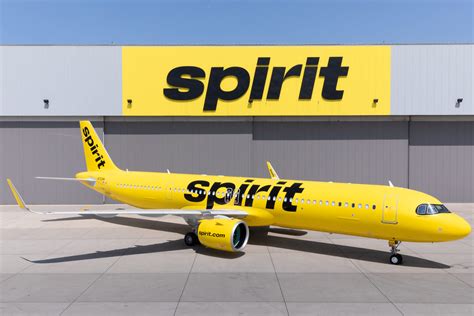
Spirit’s operational footprint remains formidable. As of April 2025, the fleet includes:
- 50 Airbus A320-200s
- 91 Airbus A320neos
- 22 Airbus A321-200s
- 31 Airbus A321neos
These aircraft serve 83 destinations in the U.S., Caribbean, Central America, and South America. Crew bases span ten major hubs, ensuring routing efficiency. Spirit’s interline agreements with French Bee, Norse Atlantic, and Play facilitate transatlantic connections without expanding its own wide-body operations.
Free Spirit: Loyalty in a Low-Fare Framework
The Free Spirit frequent-flyer program offers a three-tiered reward structure. Despite being a ULCC, Spirit incentivizes loyalty with point accumulation not just on flights but also on co-branded credit card purchases. The airline monetizes upgrades and early boarding while still remaining accessible to budget travelers.
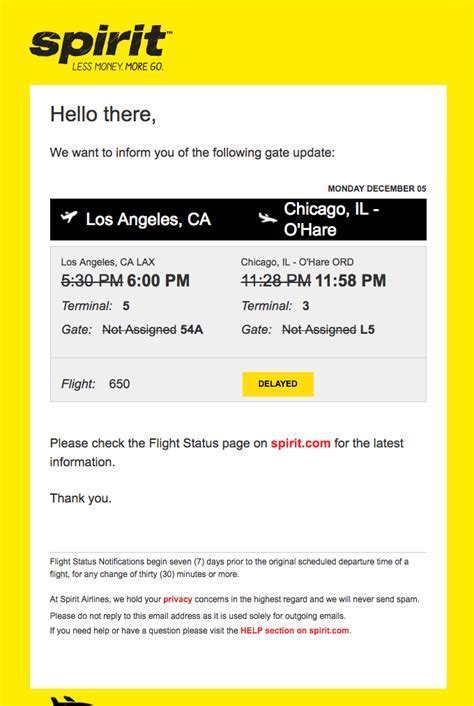
The program is integrated into mobile apps, kiosks, and email communications, reflecting the digitization of Spirit’s service model. Elite tiers allow access to priority customer service and reward redemption benefits, although lounge access remains off the table.
Public Backlash and Industry Scrutiny
Spirit’s name is often mentioned in regulatory actions. The Department of Transportation fined the carrier $43,900 in 2011 for deceptive pricing and $100,000 in 2012 over disability-related complaints. By 2013 and 2015, Spirit held the highest customer complaint rates in the industry. Public controversies ranged from the infamous 2018 hamster flushing incident to bathroom access disputes and mass cancellations during the summer of 2021, where 40% of flights were scrapped due to staffing and weather issues.
Safety Record: Incidents and Lessons
Though not plagued by high fatality rates, Spirit has faced several alarming incidents. Flight 708 in 2015 experienced a toxic fume event, leading to the captain’s death 50 days later. In November 2024, Flight 951, an Airbus A320neo, was struck by gunfire while on approach to Port-au-Prince, injuring one crew member. These events prompted internal reviews and coordination with aviation safety bodies, reinforcing procedural compliance.
Conclusion: A Carrier in Reinvention
Spirit Airlines is neither merely a budget airline nor just a punchline in late-night monologues. It is a microcosm of American capitalism—ruthless, innovative, fallible, and adaptive. As it charts its post-bankruptcy course under new leadership, Spirit faces both skepticism and opportunity. It must navigate the fine line between cost-efficiency and customer satisfaction while retaining the operational agility that defines the ULCC sector.
With an upgraded fleet, restructured finances, and hard-earned lessons, Spirit Airlines’ second act is underway—not as an apology, but as a recalibration of how air travel can be both affordable and reliable in a post-pandemic world.