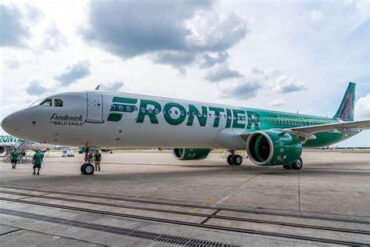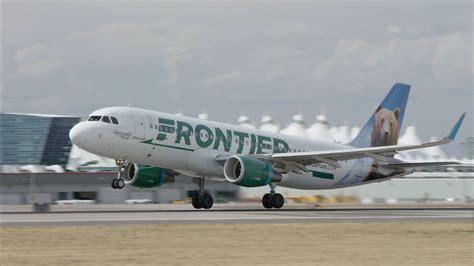
The dramatic reduction of nearly 30,000 scheduled flights by Frontier Airlines and Spirit Airlines between January and April 2026 is not a temporary adjustment. It is a structural shift that exposes how fragile the ultra-low-cost carrier (ULCC) model has become in a post-pandemic aviation market defined by higher costs, volatile demand, and relentless competition from legacy airlines.
At first glance, the numbers are stark. Across the first four months of 2026, Frontier and Spirit have scheduled 120,380 flights, down from the same period in 2025 by almost a full fifth. This contraction is not evenly distributed. Spirit Airlines has taken the hardest hit, while Frontier’s reductions, though significant, are partially masked by incomplete schedule releases beyond mid-April. Together, they reveal an industry strategy that can best be described as shrinking to survive.
Spirit Airlines’ retrenchment is the most severe. The carrier has cut 22,278 flights year-over-year, a staggering 28% reduction in scheduled services. From January through April 2026, Spirit plans just 57,214 flights, down from nearly 80,000 the year prior. March alone accounts for over 6,200 canceled services, marking it as the most aggressive month of downsizing.
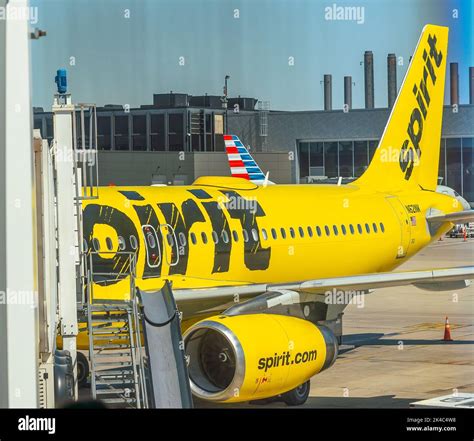
This pullback is not merely numerical. Spirit has exited 17 airports, including major markets such as Phoenix, San Diego, Seattle, Oakland, and Minneapolis. The geographic pattern is unmistakable. The airline is retreating from the West and Midwest, regions where competition is intense and margins are thin. In their place, Spirit is selectively expanding leisure-oriented and international destinations, adding cities like Belize City, Grand Cayman, Key West, and Savannah.
The airline’s route network tells the same story. Spirit now operates 215 active routes with at least four departures in the period analyzed, down from 320 routes a year earlier. Domestic routes have collapsed by nearly a third, while international routes have quietly increased by 10%. The message is clear: short-haul domestic price wars are no longer sustainable, while international leisure traffic offers a narrow but vital lifeline.
Frontier Airlines, often grouped with Spirit but operating under a slightly different strategic philosophy, has cut 7,522 flights over the same period. The headline reduction appears milder at 20%, but this figure is partially distorted by Frontier’s schedule only extending through April 13, four weeks earlier than last year. Even accounting for that technical gap, January and March show tangible declines, particularly March with an 8% drop.
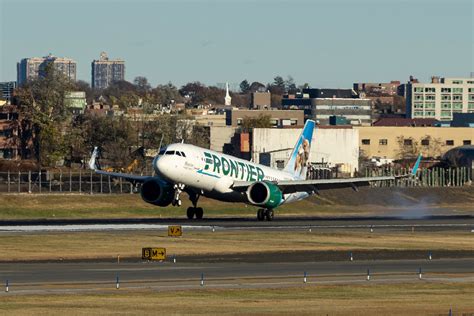
Yet Frontier’s contraction comes with a twist. Despite flying fewer services, its route network has expanded. The airline now lists 439 routes, up from 364 a year ago, representing growth of more than 20%. This apparent contradiction highlights Frontier’s strategy of spreading thinner capacity across more markets, favoring frequency cuts over total market exits.
International expansion is where Frontier stands apart. Its international route count has surged by 72% year-over-year, albeit from a smaller base. New destinations such as Nassau, Providenciales, San Pedro Sula, and San Jose del Cabo reflect a calculated bet on leisure demand and ancillary revenue, while exits from places like Barbados, Palm Springs, Vail, and Houston Hobby show a willingness to abandon underperforming niches quickly.
This upheaval does not signal a collapse of US aviation demand. When all carriers are considered, total US flights are still up 1% year-over-year. Legacy airlines are growing steadily, with United, Delta, American, and Alaska all posting gains between 3% and 4%. The market is not shrinking. It is reallocating.
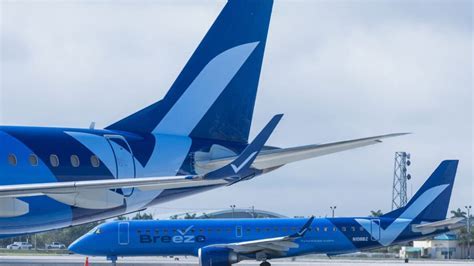
The contrast becomes even sharper with the rise of Breeze Airways. While still a smaller operator, Breeze has grown its services by 40%, climbing to the 14th largest US airline by flights and 11th by seats offered. Its expansion underscores a shift toward hybrid models that balance low costs with more flexible networks and passenger-friendly service structures.
What Frontier and Spirit are experiencing is not a sudden failure but a slow collision with economic reality. The ULCC formula—ultra-cheap base fares offset by high fees—worked best in an era of low fuel prices, abundant aircraft, and consumer tolerance for inconvenience. That era is over. Rising labor costs, aircraft shortages, airport congestion, and passengers who now expect more reliability have narrowed the margin for error to almost nothing.
The death of budget airlines is not imminent, but the old version of the budget airline clearly is. Frontier and Spirit are rewriting their playbooks in real time, cutting deep to preserve what still works. Whether this reinvention succeeds will determine if ultra-low-cost flying remains a permanent fixture of US skies or becomes a cautionary chapter in aviation history.