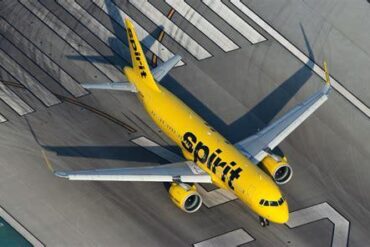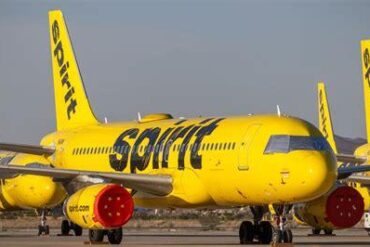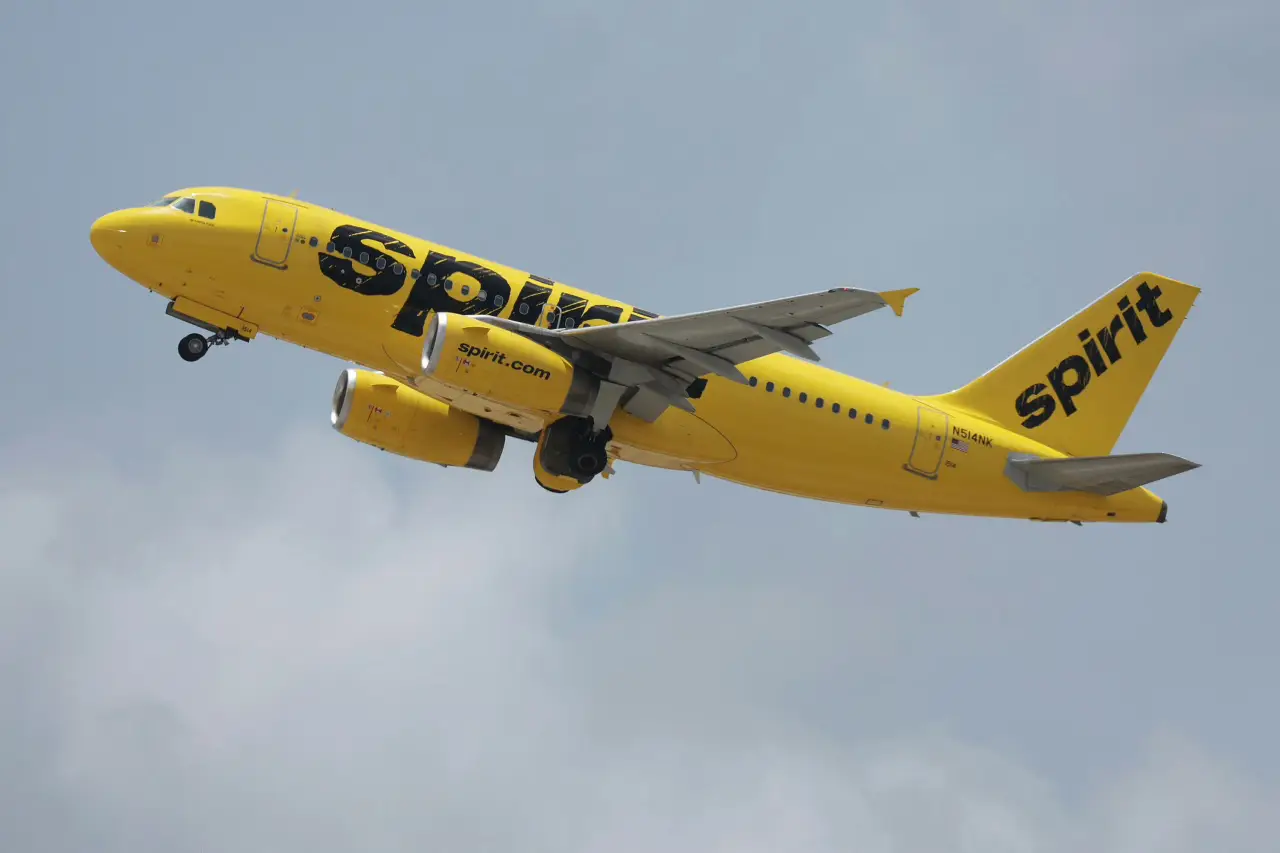
Spirit Airlines, once a cornerstone of the ultra-low-cost carrier (ULCC) model in the United States, finds itself navigating deep turbulence. The recent pilot vote to ratify a restructuring agreement marks a critical juncture in the airline’s fight for survival. This development follows Spirit’s second Chapter 11 bankruptcy filing in less than a year—a stark sign of a business model under existential pressure. While this agreement brings short-term labor concessions, it also introduces strategic labor stability, potentially unlocking financing crucial for continued operations.
A Tactical Deal Amid Financial Desperation
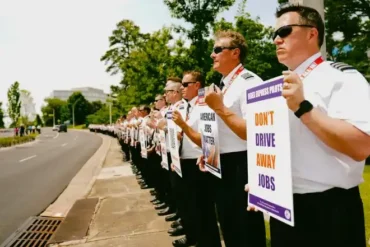
The new agreement, brokered between Spirit Airlines and the Air Line Pilots Association (ALPA), is not a reinvention of pilot terms but a modification of the existing labor contract. This distinction matters. It signals that ALPA maintained enough leverage to preserve major elements of the original agreement. Spirit’s pilots voted overwhelmingly—82% in favor—to accept a temporary 8% reduction in hourly pay and to slash retirement contributions from 16% to 8%, beginning in 2026.
These changes, though painful, are reversible. The plan includes full restoration of pay and benefits by 2028, assuming Spirit survives long enough to implement that phase. In exchange, pilots retain essential quality-of-life provisions such as trip construction, scheduling rights, and work rule protections—a direct shield against what could have been more severe court-imposed revisions under Section 1113 of bankruptcy law.
Crucially, this deal protects the union’s contractual structure while enabling Spirit to meet targeted cost reductions tied to debtor-in-possession (DIP) financing. These financial benchmarks are prerequisites for keeping aircraft in operation and creditors at bay.
The Breathing Room Spirit Desperately Needed
In practical terms, this agreement buys Spirit critical time. Without union consent, Spirit would have risked triggering a court decision that might void its pilot contracts entirely—ushering in a full-blown labor crisis. By securing concessions through negotiation rather than litigation, the airline maintains internal stability, which is vital as it attempts to reassure investors, lessors, and regulators alike.
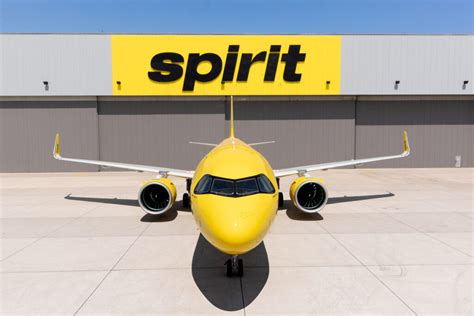
Spirit’s strategy now hinges on maximizing operational viability while under bankruptcy protection. The airline has already begun aggressively shrinking its footprint: removing nearly 100 planes from its fleet, suspending dozens of routes, and furloughing staff. Revenue recovery is not expected this decade, making this restructuring plan a slow-burn effort rather than an instant turnaround.
The ALPA’s negotiation also yielded a notable financial advantage—Spirit pilots now hold a $278 million unsecured bankruptcy claim, giving them a tangible stake in the airline’s future value. This claim not only aligns incentives between labor and leadership but positions the union as a critical stakeholder in any future recovery or merger.
Deep Structural Wounds Still Threaten Recovery
Spirit’s restructuring is not merely about labor contracts—it reflects a broader struggle with debt, competitiveness, and identity. Over the past year, the airline has cycled through multiple advisory teams, including Perella Weinberg Partners, Alvarez & Marsal, PJT Partners, and Seabury Airline Strategy Group, each brought in to plot a path forward as performance worsened.
The strategy has included:
- Debt-for-equity swaps to reduce the capital burden
- Network pruning to eliminate unprofitable routes
- Cost containment through labor and operational savings
- Seeking DIP financing to maintain liquidity during restructuring
Despite these efforts, the ULCC model is facing unprecedented headwinds. Spirit once thrived on unbundled pricing, selling cheap base fares and charging for everything else—from carry-ons to seat selection. But legacy carriers now mimic these tactics, blurring the market and undercutting Spirit’s value proposition. Simultaneously, post-pandemic shifts in travel patterns and inflationary pressures on operating costs have eroded the economics that once made ULCCs so competitive.
A Cautious Future with Limited Margins for Error
The success of this restructuring depends on Spirit’s ability to stabilize operations while evolving its product. The brand must continue attracting budget-conscious flyers but do so in a landscape where price competition is cutthroat and consumer expectations are rising.
The restructuring vote, though encouraging, doesn’t guarantee viability. It’s merely one piece in a multi-phase rescue attempt, where Spirit must deliver:
- Consistent reliability to rebuild customer trust
- Operational excellence with a leaner fleet
- Revenue innovation in a stagnant fare environment
- Investor confidence in a business model seen by many as broken
Spirit must now navigate a narrow runway. The ALPA agreement gives it a chance—but only if the company can execute ruthlessly on discipline and strategy.
Will Spirit’s Gamble Pay Off?
Ultimately, the pilot vote signals a rare moment of alignment between labor and management. Both sides recognize that existential threats demand shared sacrifice. But the path ahead remains treacherous. The concessions alone will not rescue Spirit. Success will depend on whether the airline can prove that ultra-low-cost flying still has a future—and whether it can innovate fast enough to earn back trust from the traveling public and Wall Street.
If it fails, this deal will be remembered as a final gasp. If it succeeds, it could become a textbook case in high-stakes aviation restructuring, driven not just by numbers, but by collective will.