Self-flying helicopters may sound like science fiction, but the future of autonomous aviation has already taken off — quite literally. In an era when artificial intelligence is increasingly integrated into everything from drones to fighter jets, fully autonomous helicopters are quietly proving their capabilities in complex, high-risk environments. What once seemed like a far-fetched concept is now a deployed reality, thanks to cutting-edge systems developed by defense and aerospace giants like Lockheed Martin and DARPA-backed contractors.
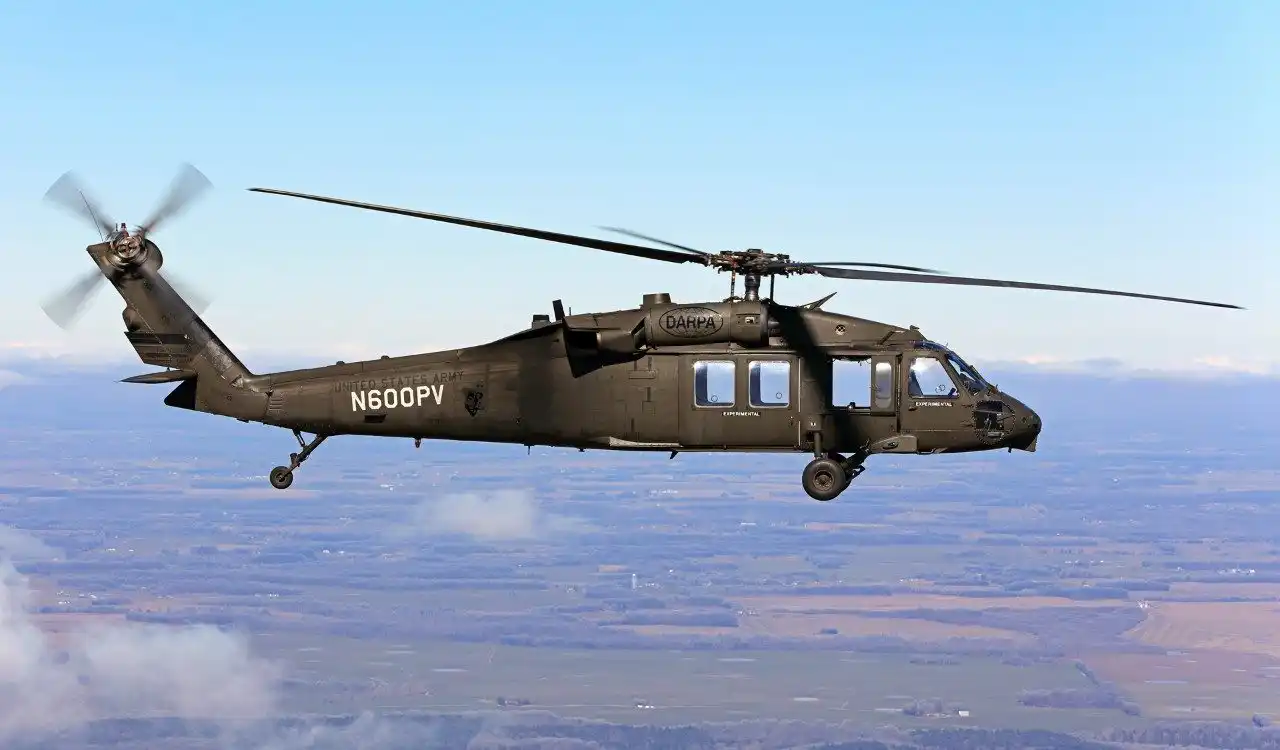
The recent demonstration by Lockheed Martin’s Sikorsky division showcased a Black Hawk helicopter autonomously performing takeoff, navigation through a cluttered environment, and a controlled landing — all without any pilot on board. These flights aren’t just for show. They are being rigorously tested in real-world military scenarios, often under combat-simulated or emergency-like conditions, underscoring the reliability of these AI-driven machines. At the heart of this revolution lies a blend of advanced sensor fusion, machine learning algorithms, and fail-safe autonomous flight software.
Inside the AI-Powered Flight Deck: How Self-Flying Helicopters Actually Work
Making a helicopter autonomous isn’t merely about removing the pilot’s seat. It requires reimagining flight control from the ground up. These rotorcraft are equipped with a multi-layered sensory array, fusing data from multiple sources in real-time to create a continuously updating 3D awareness of their surroundings. These include:
- Lidar sensors to map the terrain and detect obstacles with millimeter precision
- High-resolution optical cameras for object recognition and environmental monitoring
- Radar systems to function in poor visibility conditions
- GPS and inertial navigation systems to track exact position and orientation
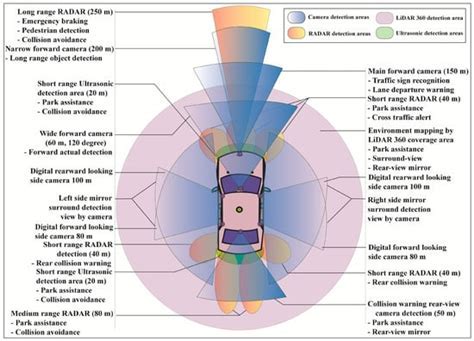
This input is fed into onboard AI processors, which use neural networks and rule-based systems to analyze the data. These systems calculate optimal flight paths, make in-flight decisions, adapt to changing weather, and even perform automated emergency landings. Sikorsky’s MATRIX™ Technology, a flagship innovation in this space, has been central to enabling helicopters like the UH-60 Black Hawk to conduct fully autonomous missions.
Beyond MATRIX, DARPA’s ALIAS (Aircrew Labor In-Cockpit Automation System) project — executed by Aurora Flight Sciences — has introduced modular autonomy kits that can be retrofitted onto legacy aircraft such as the UH-1 Huey. ALIAS automates flight control, monitors mechanical systems, and even handles emergency protocols autonomously, providing a form of co-pilot AI that can take over in case of pilot incapacitation.
Tactical Applications: Where Autonomy is Already Taking Off
Autonomous helicopters are already being trialed in high-risk military missions where human pilots might be endangered. These include resupply missions to forward operating bases, casualty evacuations under fire, and surveillance operations in contested airspace. With no pilot in harm’s way, commanders gain increased tactical flexibility while lowering operational risks.
Moreover, autonomous helicopters could revolutionize search and rescue missions by covering wide areas without the fatigue or limitations of human crews. In disaster-struck or hostile zones, these aircraft can fly pre-programmed patterns, identify survivors using onboard imaging, and deliver essential supplies without awaiting manual instructions.
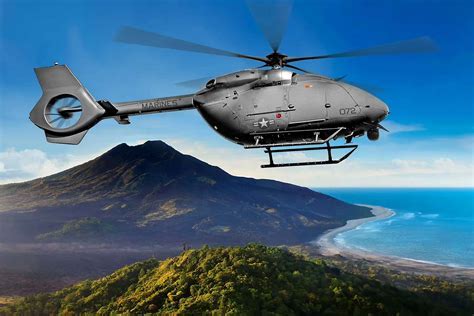
Emergency medical services (EMS) also stand to benefit enormously. Helicopters outfitted with autonomous systems could respond faster to accident scenes, navigate without human error, and coordinate with hospitals using real-time telemetry, ultimately saving more lives.
Why You Won’t Be Hailing an Autonomous Chopper Anytime Soon
Despite proven technology and successful test missions, self-flying helicopters remain locked within government and defense programs for now. While the pace of innovation is rapid, several factors are holding back broader adoption:
- Stringent aviation regulations: Certifying an unmanned rotorcraft for flight over urban populations is far more complex than with fixed-wing drones. The risk matrix is vastly different.
- Technological reliability: Autonomous helicopters must perform flawlessly under diverse and unpredictable conditions, including adverse weather and dynamic obstacles. Validation takes time.
- Cybersecurity: Unmanned systems are particularly vulnerable to hacking and interference. Ensuring robust protection from electronic warfare and sabotage is a top priority.
Even with these hurdles, developers are optimistic. Continued refinements in AI flight systems, data redundancy protocols, and situational awareness engines are rapidly bringing us closer to a world where pilotless rotorcraft will be just as common as autonomous delivery drones.
The Future Flight Path: Toward Civilian Integration
While military applications lead the charge, civilian aviation is carefully watching these developments. Urban air mobility (UAM) companies working on air taxis and electric vertical takeoff and landing (eVTOL) aircraft are experimenting with similar autonomy stacks. The goal: remove or reduce the need for onboard pilots in short-range passenger and cargo flights within cities.
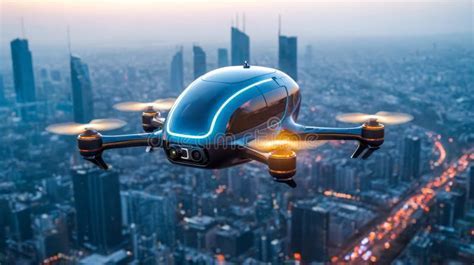
Tech companies and aviation startups alike are leveraging the lessons learned from Lockheed Martin’s military trials to advance autonomous air taxis, which may debut with supervised autonomy before transitioning to full independence. For industries such as offshore logistics, forest firefighting, pipeline inspections, and medical deliveries, autonomous helicopters could significantly cut costs, reduce delays, and operate in conditions unsafe for human pilots.
In a broader sense, the gradual integration of self-flying features into civilian rotorcraft mirrors the evolution of autonomous features in cars — starting as advanced assistance systems before progressing to full autonomy. It is highly plausible that in the coming decade, helicopters will feature AI copilots capable of taking over the controls when needed, optimizing navigation, and ensuring mission success even in pilot-degraded situations.
Conclusion: The Sky Is No Longer the Limit
Autonomous helicopters are not a thing of the future — they are a functional and increasingly refined reality. Though currently limited to defense, research, and specialized government roles, the technological breakthroughs powering these aircraft are destined to ripple into the commercial and civilian sectors. The ability to autonomously navigate, assess, and react in real-time makes these rotorcraft potent tools for a wide range of missions — from warzones to disaster zones and, eventually, city rooftops.
As regulatory frameworks catch up and confidence in unmanned aviation solidifies, the once-radical idea of flying without pilots may soon become standard practice. And in that world, self-flying helicopters will no longer be the exception — they’ll be the new normal.