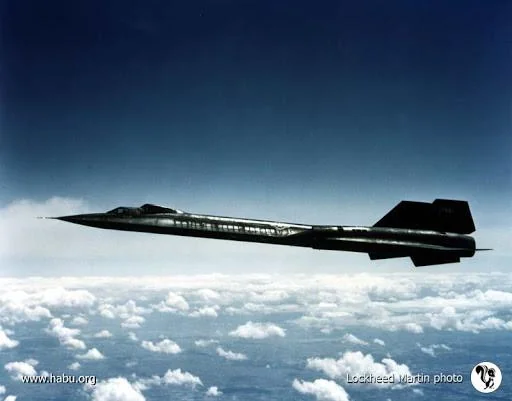
The Lockheed SR-71 Blackbird remains one of the most extraordinary aircraft ever built. Designed during the Cold War to outrun missiles rather than fight them, the Mach 3 reconnaissance jet became a symbol of engineering brilliance, titanium craftsmanship, and daring aviation. Yet buried inside the Blackbird’s legendary history is a strange and almost uncomfortable chapter involving an aircraft so unusual that pilots nicknamed it “The Bastard.”
Unlike every other operational Blackbird, the SR-71C was never envisioned on a drawing board as a proper aircraft. It was not planned as part of the original production run. It was not assembled using factory-fresh tooling. It was not even built from matching components. The jet existed only because the United States Air Force suddenly found itself desperate after losing one of its precious two-seat trainer aircraft in a dramatic crash.
What emerged was a machine stitched together from damaged and discarded airframes, an aircraft born from necessity rather than precision. It flew, but only after revealing serious aerodynamic defects that made even veteran test pilots uneasy. Among a fleet already infamous for complexity, the SR-71C developed a reputation as the most troublesome Blackbird ever to take the skies.
The Blackbird Fleet Had No Room For Error
By the late 1960s, the SR-71 program was operating under extraordinary pressure. The aircraft itself was revolutionary, but also incredibly expensive and difficult to maintain. Every Blackbird represented years of specialized manufacturing work involving titanium machining techniques that barely existed anywhere else in American industry.
The Air Force depended heavily on the small fleet of SR-71B trainer aircraft to prepare new pilots and reconnaissance systems officers for the demands of flying at speeds exceeding Mach 3. These trainers were essential because transitioning directly into the operational SR-71A was considered dangerously impractical.
Then disaster struck.
On January 11, 1968, trainer aircraft 61-7957 suffered a catastrophic electrical failure during a training sortie over the Pacific Northwest. The emergency that followed would ultimately reshape the future of the training fleet and give birth to the strangest Blackbird ever assembled.
At the time, there were only two SR-71B trainers in existence. Losing one instantly created a critical bottleneck for pilot qualification and mission readiness.
Worse still, Lockheed’s legendary Skunk Works faced an impossible problem. The original tooling used to manufacture Blackbird airframes had already been dismantled under government direction. The production line was effectively dead. Building a new trainer from scratch was no longer possible.
The Air Force needed another aircraft anyway.
So Lockheed improvised.
Building A Blackbird From Leftovers
The SR-71C was essentially aviation Frankenstein engineering at Mach 3.
Instead of constructing a new aircraft conventionally, engineers combined surviving sections from entirely different Blackbird-family airframes. The rear fuselage came from damaged YF-12A interceptor prototype 60-6934, while the forward fuselage originated from an engineering mock-up that had never been intended for actual flight.
That detail alone explains why the aircraft earned its infamous nickname.
The front half and rear half had never truly been designed to operate together under the unimaginable aerodynamic and thermal stresses experienced by the SR-71 family. At Mach 3, even microscopic alignment errors could create catastrophic instability. Temperatures across the aircraft skin routinely exceeded hundreds of degrees, causing expansion throughout the airframe during flight.
Joining mismatched components under those conditions was an engineering gamble few aircraft programs would ever attempt.
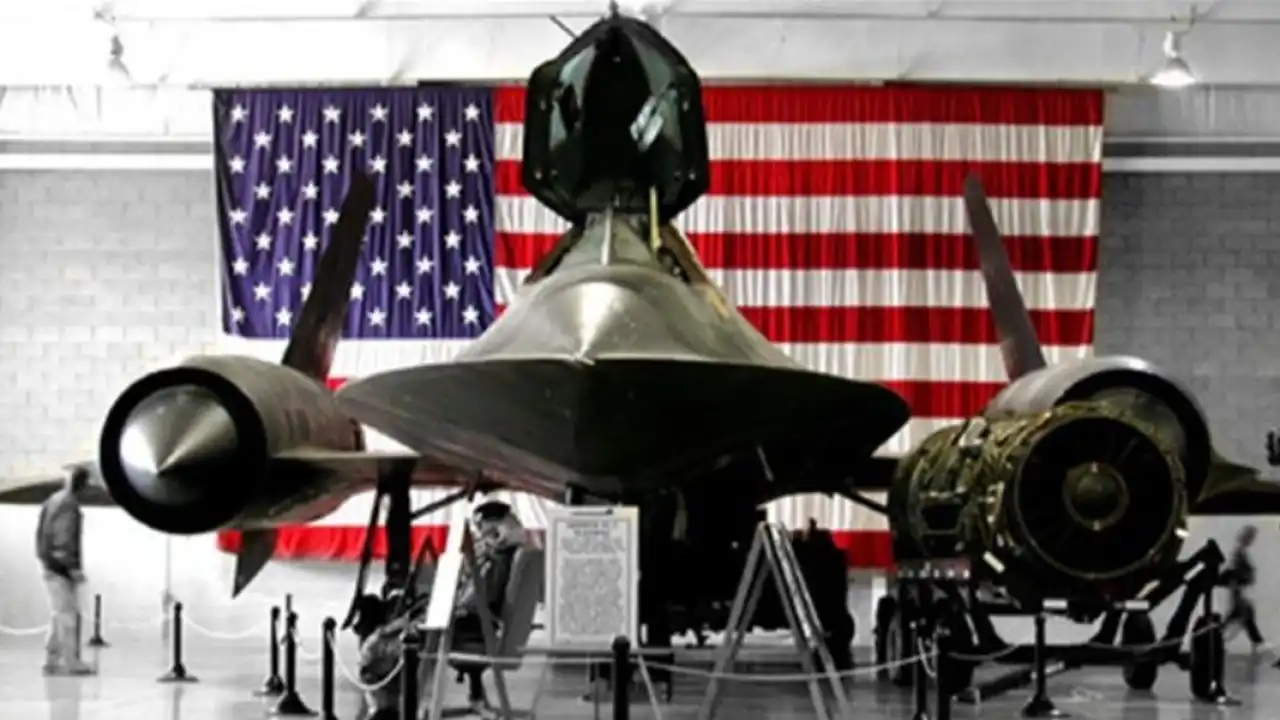
The donor rear fuselage carried its own history. YF-12A serial 60-6934 had been damaged during a landing accident in 1966. Originally developed as an interceptor variant derived from the CIA’s secretive A-12 Oxcart, the YF-12 represented one of the earliest branches of the Blackbird family tree.
Lockheed engineers essentially salvaged what they could and hoped the resulting aircraft would behave like a normal SR-71.
It did not.
The First Flight Revealed Serious Problems
The SR-71C completed its maiden flight on March 14, 1969. Veteran Lockheed test pilot Robert “Bob” Gilliland and reconnaissance systems officer Steve Belgeau climbed into the cockpit knowing they were testing something highly unconventional.
The aircraft immediately showed signs that something was wrong.
Pilots reported severe trim and control abnormalities, including persistent yaw during supersonic flight. Even for the Blackbird — an aircraft already demanding immense pilot skill — the SR-71C felt unusually unstable.
The problems were not subtle.
During testing, the aircraft appeared to fly slightly sideways through the atmosphere. Cockpit instruments constantly indicated a four-degree yaw that refused to disappear regardless of flight conditions. Engineers initially suspected faulty sensors or instrumentation glitches, but the truth turned out to be far stranger.
To verify the issue, testers attached a Nomex yaw string to the aircraft exterior. The simple device provided visual airflow confirmation during flight.
The results stunned the team.
While the cockpit instruments showed yaw, the string remained perfectly centered in the airflow. Investigators eventually discovered the aircraft’s pitot boom had been physically mounted at a four-degree angle because of alignment discrepancies between the mismatched fuselage sections.
That meant the aircraft itself was effectively crooked.
The Inlet Systems Were Fighting Each Other
The SR-71’s engines represented some of the most sophisticated propulsion systems ever installed on an aircraft. The twin Pratt & Whitney J58 turbojets relied on dynamically controlled inlets and bypass doors that continuously adjusted airflow during supersonic flight.
At Mach 3, the inlet system actually generated much of the engine’s thrust efficiency. Precision mattered enormously.
Unfortunately, the SR-71C’s hybrid construction disrupted that precision.
Because the aircraft combined incompatible sections from different Blackbird variants, the automated inlet control systems struggled to synchronize properly. The bypass doors and inlet spikes often operated slightly out of alignment, creating asymmetric drag and unstable airflow conditions.
Pilots reported engine stalls during early flights, especially when the aircraft transitioned into high-speed regimes. The Blackbird family already had a reputation for violent inlet “unstarts,” where disrupted airflow could produce sudden yawing motions powerful enough to slam pilots against cockpit walls.
On “The Bastard,” those tendencies became even harder to manage.
Skunk Works engineers eventually recalibrated the inlet systems and corrected the pitot alignment issues. The aircraft was declared operational after extensive testing at Edwards Air Force Base, but its reputation never recovered.
Many pilots believed the aircraft possessed a permanent structural “bend.”
Why The SR-71C Was Harder To Fly Than Other Blackbirds
Flying any SR-71 required extraordinary concentration. Pilots operated at altitudes above 80,000 feet while monitoring systems subjected to tremendous heat and pressure. Small mistakes at Mach 3 could rapidly escalate into fatal emergencies.
The SR-71C amplified those challenges.
Unlike factory-built SR-71As and SR-71Bs, the hybrid aircraft carried subtle aerodynamic inconsistencies that pilots constantly had to compensate for. Even after repairs and adjustments, crews reported unusual handling behavior that never fully disappeared.
The aircraft accumulated only 556 total flight hours, a remarkably small number compared to the broader Blackbird fleet. Its operational role remained largely limited to training duties at Beale Air Force Base in California.
That limited service life reflected more than simple caution. The Air Force understood the aircraft was fundamentally different from standard Blackbirds.
Despite the fixes, “The Bastard” remained an improvised solution born from necessity rather than engineering perfection.
The Crash That Forced The SR-71C Into Existence
The destruction of SR-71B serial 61-7957 remains one of the most dramatic accidents in Blackbird history.
Instructor pilot Lieutenant Colonel Robert Sowers and student pilot Captain David Fruehauf were conducting a routine training mission when the aircraft experienced catastrophic double generator failure. Most electrical systems immediately went offline, transforming one of the world’s fastest aircraft into a crippled glider with limited instrumentation.
Even in that condition, the crew managed to nurse the aircraft nearly 1,000 miles back toward Beale Air Force Base.
The real danger emerged during the landing approach.
As the aircraft pitched upward approximately ten degrees while descending toward the runway, critically low fuel levels combined with the nose-high attitude caused fuel starvation. Without functioning electrical systems, the aircraft’s boost pumps were inoperative. The engines began ingesting air instead of fuel.
Both J58 engines flamed out only a few miles from touchdown.
At low altitude and with no reliable electrical power, restarting the engines became impossible.
The crew had seconds to react.
Ejecting From A Falling Blackbird
Witnesses on the ground watched the crippled SR-71 descend toward disaster.
Crew chief Don Person later recalled seeing the aircraft pitch upward before two parachutes suddenly appeared above the horizon. The ejection occurred only about 3,000 feet above the ground, an alarmingly low altitude considering the speed and complexity of the situation.
Sowers insisted that his student eject first.
Captain Fruehauf initially protested because protocol called for the instructor to depart first from the rear cockpit. Sowers overruled him and ordered the student out ahead of him.
Moments later, both men safely parachuted to the ground while the Blackbird flipped inverted and slammed into a farmer’s field seven miles from the runway.
The aircraft burned intensely after impact.
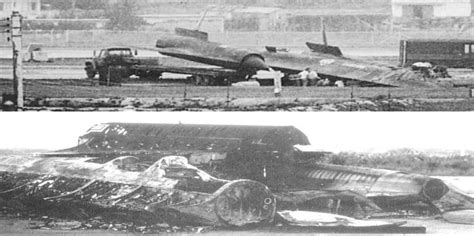
Investigators later discovered contaminated generators had caused the initial failure. Fleet-wide inspections revealed similar contamination risks in other aircraft, potentially preventing future disasters.
The crash also exposed dangerous weaknesses in emergency procedures. Pilots learned that maintaining excessive nose-up attitude during powerless approaches could unintentionally starve the engines of fuel when boost pumps were unavailable.
As a result, the Air Force revised training procedures across the Blackbird fleet.
The Titanium Problem That Made Replacement Impossible
One reason the SR-71C became such an odd hybrid aircraft involved the Blackbird’s extraordinary construction techniques.
The SR-71 was built primarily from titanium because conventional aluminum structures could not survive the temperatures generated during sustained Mach 3 flight. At cruising speed, skin temperatures became so extreme that portions of the aircraft expanded dramatically in midair.
Working with titanium during the 1960s was notoriously difficult. Lockheed had to invent entirely new machining tools, welding methods, and manufacturing techniques specifically for the Blackbird program.
Many of those tools were destroyed after production ended.
That decision effectively eliminated the possibility of manufacturing a fresh SR-71 airframe years later when the Air Force suddenly needed a replacement trainer.
The SR-71C therefore represented an unusual compromise between necessity and practicality. It was cheaper and faster to combine existing airframe sections than to recreate the vanished production infrastructure.
Even so, the resulting aircraft demonstrated how unforgiving the Blackbird’s design really was. Tiny inconsistencies that might have been harmless on ordinary jets became major aerodynamic issues at Mach 3.
The Final Years Of “The Bastard”
After engineers resolved its worst mechanical defects, the SR-71C entered operational service with the 9th Strategic Reconnaissance Wing at Beale Air Force Base.
It never escaped its reputation.
Pilots respected the aircraft, but many viewed it as the awkward outsider within the Blackbird fleet. It performed useful training duties and allowed the Air Force to continue qualifying new crews, yet nobody confused it with the smoother-handling factory-built aircraft.
The jet served for roughly seven years before completing its final flight on April 11, 1976.
Compared to other military aircraft, that operational lifespan was remarkably brief. Yet considering the unusual circumstances surrounding its construction, the fact that it flew successfully at all remains astonishing.
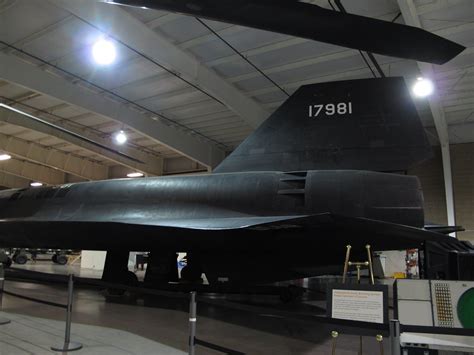
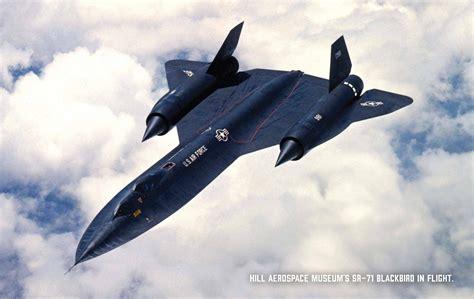
Today, the lone SR-71C survives at the Hill Aerospace Museum in Utah, where visitors can see one of the strangest aircraft ever produced by Skunk Works.
Why The SR-71C Still Fascinates Aviation Historians
The SR-71C occupies a unique place in aerospace history because it revealed both the brilliance and fragility of Blackbird engineering.
On one hand, the aircraft demonstrated Lockheed’s extraordinary ability to improvise under pressure. Engineers managed to create a functional Mach 3 aircraft from damaged components and non-flight hardware — a feat almost unimaginable even today.
On the other hand, the aircraft exposed how incredibly precise the Blackbird design needed to be. The SR-71 family operated so close to aerodynamic and thermal extremes that even slight structural misalignments created major control issues.
No other Blackbird embodied those lessons more dramatically than “The Bastard.”
It was the only SR-71 variant assembled from incompatible leftovers. The only Blackbird never intended to exist. And perhaps the clearest reminder that pushing aviation technology to its absolute limits leaves almost no room for imperfection.