Flying is a fascinating and complex subject, but for those embarking on their aviation journey, it can also seem overwhelming. From understanding the mechanics of flight to mastering navigation tools like VORs and NDBs, it’s easy to feel lost in the jargon and technicalities. But what if there was a way to break it all down into manageable, digestible content, akin to the popular ‘For Dummies’ series? In this article, we explore the concept of learning to fly through simplified resources and whether a ‘Flying for Dummies’ book exists.
The Need for Simplified Aviation Resources
Aviation, particularly flight training, can be daunting for beginners. Whether you’re someone who’s just starting to explore flight simulators or someone with ambitions of becoming a private pilot (PPL), it’s crucial to get a solid understanding of both the mechanics of flight and the necessary navigational techniques. However, there’s a certain barrier that exists for many new pilots: the overwhelming amount of technical jargon and advanced theories that fill aviation textbooks.
For individuals who are not yet in the cockpit and are relying on virtual simulators to gain experience, there’s an additional challenge. Simulators are excellent tools for practicing procedures but don’t necessarily translate the physical nuances of flying to a digital interface. This is where more accessible learning resources, like ‘For Dummies’ style books, could make a significant difference.
What Does ‘Flying for Dummies’ Mean?
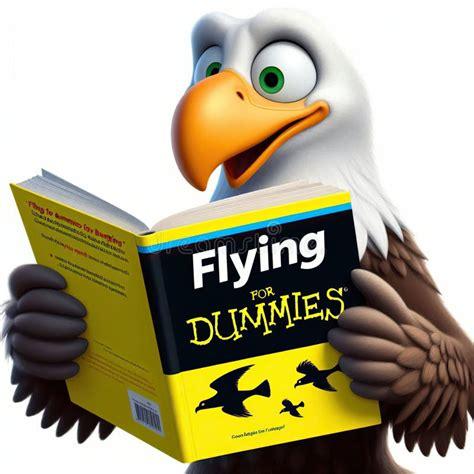
The ‘For Dummies’ series is a well-known brand that takes complex topics and breaks them down into simple, understandable formats. Topics range from computer programming to cooking, finance, and everything in between. These books typically provide a comprehensive yet digestible approach to subjects that may seem difficult at first glance. The question is, can such a simplified format be applied to aviation?
While there is no official ‘Flying for Dummies’ book, there are several resources that serve a similar purpose. These resources take a step-by-step approach to understanding aviation concepts and provide beginners with the tools they need to progress in their training.
Is There a Flying ‘For Dummies’ Book?
Although there isn’t a specific ‘Flying for Dummies’ edition, there are plenty of beginner-friendly books that provide comprehensive, easy-to-understand explanations of the fundamentals of flight. Books like Stick and Rudder by Wolfgang Langewiesche and The Private Pilot Handbook by Rod Machado are widely recommended for beginners.
These books break down the mechanics of flight in a way that makes them approachable for those new to aviation. For instance, Stick and Rudder focuses on the core skills needed for flying, while The Private Pilot Handbook offers a broader look at what aspiring pilots need to know before taking the written test and beginning flight lessons. Both of these books serve as excellent resources for those who may be intimidated by the technical jargon typically found in aviation textbooks.
Additionally, some websites and courses offer similarly simplified explanations. Platforms like PilotEdge and VATSIM provide real-world flight training environments, which, although not as simplified as ‘For Dummies’ content, are highly effective at easing beginners into the world of flight.
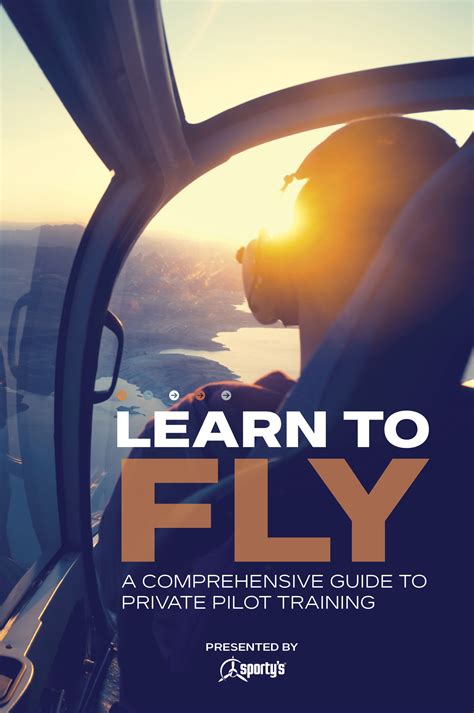
What to Look for in Aviation Learning Resources
If you’re looking for books that resemble the style of ‘For Dummies’ in aviation, it’s important to keep certain criteria in mind. Here’s what to look for when selecting learning materials:
- Clear, Concise Explanations: Look for books that explain concepts in simple terms without overwhelming you with jargon. The goal is to make complex ideas easier to understand without diluting the technical aspects.
- Engaging Writing: Aviation books that are engaging and even humorous can help keep you motivated. A book that offers interesting anecdotes or stories can make a dry subject much more enjoyable.
- Practical Exercises: The best way to learn is by doing. Choose resources that provide hands-on exercises, whether through written exercises, interactive simulations, or real-world flying practice.
- Variety of Topics: The best books offer a wide range of topics, from the basics of aerodynamics to more advanced navigation techniques, allowing readers to build a solid foundation.
Books That Can Help You Learn Flight
Several books can serve as valuable resources for aspiring pilots who need a simplified, easy-to-understand approach to learning the mechanics of flight, navigation, and airspace rules. Here are some of the best options:
- Stick and Rudder by Wolfgang Langewiesche: This classic book is often recommended for beginners because it provides a fundamental understanding of the principles of flight, focusing on the essential techniques needed to control an aircraft.
- Rod Machado’s Private Pilot Handbook: A comprehensive guide for private pilots that breaks down technical information into manageable sections, ideal for beginners and those looking to refresh their knowledge.
- William K. Kershner’s Student Pilot Flight Manual: This book is perfect for those who are just starting their flight training. It covers everything from flight controls to the basics of flight planning.
- Jeppesen Private Pilot Manual: While a little more technical than other books, Jeppesen’s guide is another comprehensive resource that is often used by flight schools around the world.
The Importance of Not Relying Solely on Simulators
While flight simulators can certainly help aspiring pilots practice essential skills, it’s important to note that they should not be relied on exclusively. In the early stages of flight training, many beginners fall into the trap of using simulators to practice maneuvers or navigation techniques, but this does not provide the same experience as actual flight.
Simulators are excellent for understanding theoretical concepts, such as radio communications and basic navigation using VORs and NDBs, but they lack the tactile feedback and real-world challenges you face in an actual aircraft. For example, the physical sensations of controlling the aircraft, such as changes in pressure and speed, cannot be replicated by a simulator. Therefore, while simulators are an excellent tool for learning the theory, there is no substitute for actual flight training.
Conclusion: Flying for Dummies and Beyond
Although there is no direct ‘Flying for Dummies’ book available, there are plenty of beginner-friendly resources designed to make aviation concepts more accessible. Books like Stick and Rudder, The Private Pilot Handbook, and Rod Machado’s Flight Training are invaluable tools for aspiring pilots looking for simplified explanations of complex concepts. While simulators can provide practice in navigation and radio communications, real-world flight experience is essential for mastering the art of flying.
In the end, whether you’re using a simulator to build your skills or reading through an aviation textbook to understand the principles of flight, the key is to keep learning. By choosing the right resources, you’ll be able to grasp the necessary knowledge to become a confident and skilled pilot.