Why do pilots say “Roger” instead of simply saying “yes”? This question has fascinated aviation enthusiasts for decades because the word has become one of the most recognizable expressions associated with pilots, military aircraft, and radio communication. From classic war movies featuring fighter pilots to modern cockpit recordings, “Roger” remains deeply connected with aviation culture.
However, the true meaning behind the word is more technical than many people realize. Contrary to popular belief, “Roger” does not mean “yes.” It does not confirm agreement, acceptance, or compliance with an instruction. Instead, it originally meant “message received and understood.” The difference may seem small, but in aviation communication, that distinction is extremely important.
The aviation industry developed its unique language because pilots, air traffic controllers, and military crews often communicate in difficult conditions. Radio interference, engine noise, poor weather, and international language differences can make ordinary conversation dangerous. A misunderstood word can lead to serious consequences, so aviation communication relies on precise, standardized terms.
The Origin of “Roger” in Aviation Radio Communication
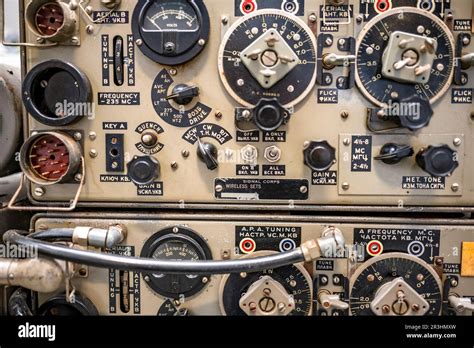
The history of “Roger” begins long before modern commercial aviation. The term emerged during the early days of radio communication and Morse code, when operators needed a simple way to confirm that a message had been received.
During Morse code operations, the letter “R” was commonly used as shorthand for “Received.” When voice radio began replacing Morse communication, operators needed a spoken equivalent for the letter R. Because early radios often produced unclear and distorted audio, simply saying the letter “R” was not reliable enough.
Aviation and military organizations created phonetic alphabets to make letters easier to understand over noisy radio channels. In one of the early phonetic alphabets, the letter R was represented by the word “Roger.”
The word was selected because it was easy to pronounce, had a distinct sound, and could be recognized even when radio transmissions were weak. When a pilot said “Roger,” the listener understood that the previous transmission had been received.
The phrase gradually moved from military communication into aviation more broadly. As aircraft became faster and aviation operations became more complex, clear radio communication became a critical part of flight safety.
Why Pilots Do Not Simply Say “Yes”
At first glance, “yes” appears to be the obvious response when a pilot agrees with an instruction. However, aviation communication requires more precision than everyday conversation.
The word “yes” is short, contains only one syllable, and can easily be misunderstood over a noisy radio connection. Early aviation radios frequently suffered from static, signal loss, and interference. A word that sounds similar could create confusion between pilots and controllers.
For example, if a pilot misunderstood an instruction during takeoff, landing, or navigation, the consequences could be severe. Aviation communication therefore avoids ordinary conversational words whenever possible.
Instead of using “yes,” pilots use “affirmative.” The word is longer, clearer, and more difficult to confuse with other transmissions. Similarly, instead of “no,” aviation professionals use “negative.”
This pattern reflects a broader aviation philosophy: communication should prioritize clarity over convenience.
What Does “Roger” Actually Mean?
Although many people believe “Roger” means “yes,” its actual meaning is closer to:
“I have received your message.”
When a pilot says “Roger,” they are confirming that the information was heard and understood. They are not necessarily saying that they agree with the instruction or that they will follow it.
This difference is one of the most important details in aviation phraseology.
For example, if air traffic control tells a pilot:
“United 452, climb and maintain flight level 350.”
A pilot responding:
“Roger.”
only confirms that the instruction was received. It does not clearly confirm that the pilot will perform the climb.
The proper response would normally include a readback of the instruction, such as:
“Climb and maintain flight level 350, United 452.”
This ensures both sides understand exactly what action is expected.
Another aviation term that is often confused with “Roger” is “Wilco.” The word is a shortened form of “will comply.” Unlike “Roger,” “Wilco” indicates that the speaker has received the message and intends to follow the instruction.
The difference can be summarized simply:
- Roger: I received and understood your message.
- Affirmative: Yes.
- Wilco: I received your message and will comply.
How “Roger” Became Famous During World War II
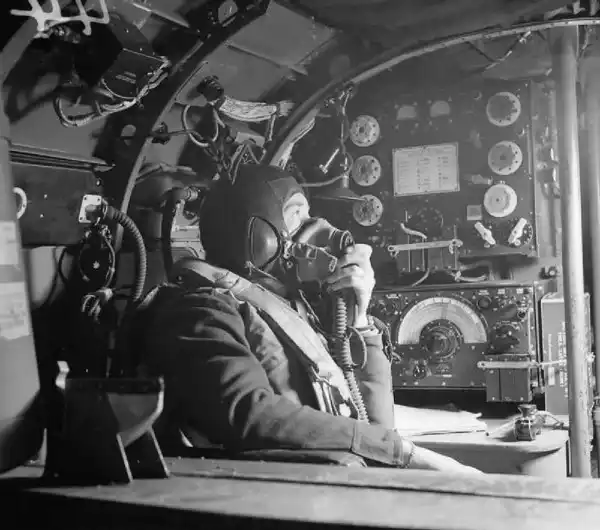
The popularity of “Roger” expanded dramatically during the Second World War. Military aviation grew rapidly during this period, and reliable communication between pilots, ground crews, and commanders became essential.
The United States military used the word extensively, and as cooperation between American and British forces increased, the Royal Air Force also adopted similar terminology.
During the war, movies, news reports, and later Hollywood productions introduced aviation radio phrases to the public. Expressions like “Roger,” “Mayday,” and “Over and out” became strongly associated with pilots and military aircraft.
The entertainment industry helped transform “Roger” from a technical communication term into a cultural symbol of aviation.
However, some popular explanations about the word’s origin are inaccurate. One common claim suggests that “Roger” was an acronym meaning “Received Order Given, Expect Results.” This explanation has circulated widely, but there is no reliable historical evidence supporting it.
The actual origin is much simpler: Roger came from the phonetic alphabet representation of the letter R, which originally stood for “Received.”
The Changing Phonetic Alphabets Behind the Word “Roger”
The story of “Roger” is closely connected to the complicated history of phonetic alphabets. Before the modern NATO phonetic alphabet became standard, different organizations used different systems.
During the early 20th century, the United States military, British forces, maritime organizations, and international communication groups all developed their own versions.
The 1927 United States Army and Navy phonetic alphabet included:
Able, Baker, Charlie, Dog, Easy, Fox, George, How, Item, Jig, King, Love, Mike, Nan, Oboe, Peter, Queen, Roger, Sugar, Tare, Uncle, Victor, William, Yoke, Zebra.
In this system, Roger represented the letter R.
However, international aviation required a single standardized alphabet because pilots from different countries needed to communicate clearly. A word that worked well in English-speaking countries might not be easy for people from other languages to pronounce or recognize.
The International Civil Aviation Organization (ICAO) worked on creating a universal phonetic alphabet after World War II. The goal was to select words that could be understood internationally.
After extensive testing, the final alphabet was introduced in 1956. This became the modern NATO phonetic alphabet:
Alfa, Bravo, Charlie, Delta, Echo, Foxtrot, Golf, Hotel, India, Juliett, Kilo, Lima, Mike, November, Oscar, Papa, Quebec, Romeo, Sierra, Tango, Uniform, Victor, Whiskey, X-ray, Yankee, Zulu.
In the new system, Romeo replaced Roger as the word for the letter R.
Even though “Roger” disappeared from the official phonetic alphabet, aviation professionals continued using the word because of its established meaning.
Why “Roger” Survived After Being Removed From the Alphabet
Many aviation terms disappear when technology changes, but “Roger” survived because it had already become part of radio communication culture.
Pilots, controllers, and military operators continued using it because everyone understood its meaning. It had moved beyond a simple phonetic alphabet word and become a standard acknowledgment phrase.
The continued popularity of “Roger” also shows how aviation language develops. Some terms are preserved not because they are officially required, but because they are effective and deeply understood by the people who use them.
Aviation communication is built around preventing mistakes. Even a word that is technically outdated can remain valuable if it provides clear communication.
Other Important Aviation Communication Words
“Roger” is only one example of the specialized language used by aviation professionals. Many other terms exist because ordinary words can create confusion.
Mayday is one of the most famous aviation emergency calls. It comes from the French phrase “m’aider,” meaning “help me,” and indicates a situation involving serious and immediate danger.
Pan-Pan is another emergency expression. Derived from the French word “panne,” meaning breakdown, it indicates an urgent situation that is serious but not immediately life-threatening.
Numbers are also pronounced differently in aviation. For example, pilots say:
- Zero as “ZE-RO”
- Three as “TREE”
- Five as “FIFE”
- Nine as “NIN-ER”
These pronunciations reduce misunderstandings between international aviation crews.
The same principle applies everywhere in aviation: communication must be predictable, clear, and resistant to error.
The Legacy of “Roger” in Modern Aviation
Today, professional pilots do not use “Roger” as a replacement for “yes.” Modern aviation communication follows carefully defined phraseology established by organizations such as ICAO.
Still, the word remains one of the most recognizable pieces of aviation history. It represents an era when aircraft technology was rapidly developing, pilots depended on fragile radio systems, and clear communication could determine the success or failure of a mission.
The continued use of “Roger” reflects the aviation industry’s respect for tradition while adapting to modern safety standards. Although the word no longer represents a letter in the phonetic alphabet, its meaning remains familiar across aviation communities worldwide.
So, the next time a pilot says “Roger,” remember that it does not mean “yes.” It means something more specific and more important: the message has been received and understood. In aviation, that small difference represents the precision, discipline, and safety culture that have shaped flight for more than a century.