For more than a century, the Royal Air Force (RAF) has been at the forefront of protecting British airspace, operating on the cutting edge of aerial warfare. But in 2025, amidst global instability and renewed focus on defense posturing, questions loom over whether Britain’s aerial shield remains robust enough to face down modern threats—especially the increasingly aggressive Russian Federation. Despite sharp reductions in fleet size and personnel, senior military voices insist the RAF still has the capacity to “kick the s out of Russia*”—a statement as provocative as it is strategically loaded.
RAF Cuts and Capability Gaps: The Numbers Tell a Stark Story
The RAF, the smallest of the UK’s armed services, currently fields 30,364 regular personnel, a figure that has dipped by 2.1% year-on-year. In contrast, the British Army boasts over 73,800 troops and the Royal Navy maintains nearly 32,000 regulars. The RAF also commands just over 3,000 reservists, a fraction compared to NATO peers.
In terms of assets, 556 fixed-wing aircraft remain operational, a decline from the previous year due to the retirement of the legendary Hercules fleet. The RAF now maintains 104 squadrons, including nine fighter and two drone squadrons, though numbers alone only hint at the bigger picture.
This shrinking footprint has led many, including retired Air Marshal Greg Bagwell, to describe the force as “hollowed out.” Yet the same voices argue the RAF is still a potent deterrent—if strategically leveraged.
F-35B vs Typhoon: A Trade-Off Between Stealth and Strength
As of April 2024, the RAF operated 172 fighter jets, comprising 137 Eurofighter Typhoons and 35 fifth-generation F-35Bs. These stealth fighters, designed with Short Take-Off and Vertical Landing (STOVL) capabilities, allow for flexible deployment from land or sea. Britain has committed to 48 of these jets, with plans to increase the order to 74 by 2033.
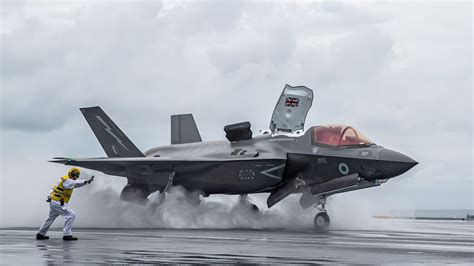
However, these high-tech jets come with operational constraints. According to Bagwell, the F-35B’s reduced payload and range—necessitated by its stealth design—make it less versatile compared to Typhoons in certain missions. “If you do a simple mass equation of kilograms of weapons x miles,” he explained, “the aircraft are less capable than a Typhoon, but far more sophisticated in stealth and tech.”
Typhoon: Backbone of the RAF’s Combat Air
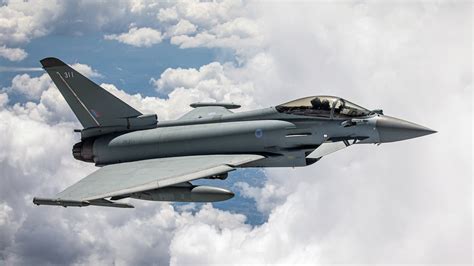
The RAF’s 137 Typhoons form the air force’s operational core. Of these, 102 remain in active service, though some of the oldest are scheduled for retirement. A £2.35 billion upgrade programme aims to enhance their effectiveness, ensuring they remain lethal interceptors and multi-role platforms capable of meeting 21st-century threats.
These jets are often kept on high-readiness standby, especially in the face of possible Russian incursions or heightened NATO deployments. The Typhoons are also crucial in Baltic Air Policing missions, underscoring their enduring operational relevance.
Helicopter Fleet: Stretched and Awaiting Modernisation
The UK Armed Forces maintain 268 helicopters, many of which fall under the RAF’s remit. This includes 54 Chinooks, 29 Juno training helicopters, and—until recently—20 Pumas. The Puma fleet has now been retired due to cost-cutting, leaving a capability gap awaiting closure under the New Medium Helicopter (NMH) programme.
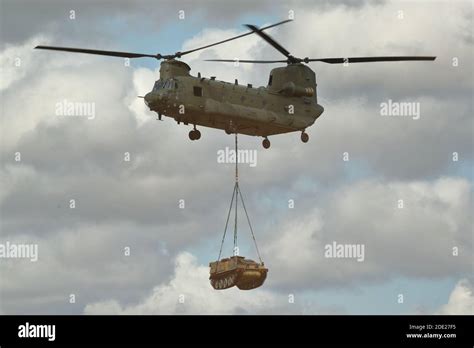
In the interim, the RAF is set to expand its Jupiter H145 fleet by six units, which will take on some of the roles vacated by the Pumas. However, these are not expected to be operational before 2026, and experts warn the delay could have operational consequences, particularly for overseas duties in Brunei and Cyprus.
Russia’s Numerical Advantage vs RAF’s Technological Edge
While Russia’s air force dwarfs the RAF in sheer numbers, many analysts argue the UK possesses qualitative superiority. Retired Air Marshal Bagwell emphasizes that in one-on-one engagements, British jets can “overmatch” Russian counterparts. He adds, “It’s not just about numbers. Russia doesn’t have one aircraft; it has lots. But their regard for loss of life is appalling, and their doctrine is attritional.”
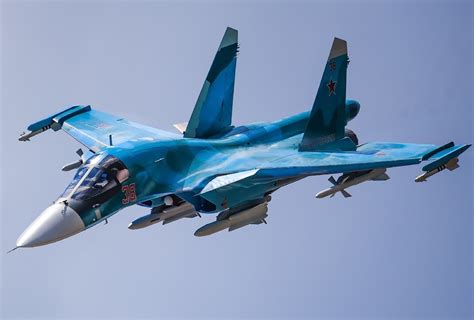
This sentiment is echoed by Air Vice Marshal Sean Bell, who points out that training and pilot proficiency remain significant British advantages. “Quantity is a quality,” he concedes, “but RAF training is NATO-standard. Russian airmen simply don’t compare.”
Russia’s air strategy, shaped by rugged doctrine and centralized control, has repeatedly demonstrated tactical recklessness, particularly in Ukraine. British air superiority—bolstered by NATO alliances and superior systems—thus remains a genuine deterrent.
Strategic Defence Review: Promises and Pitfalls
The UK Government’s long-awaited Strategic Defence Review (SDR) released earlier this year reaffirmed a commitment to raise defense spending to 2.5% of GDP by 2027. While welcomed by military analysts, the review left several questions unanswered, particularly around the future of tactical nuclear capabilities and specific aircraft acquisitions.
A notable addition is the Wedgetail airborne early warning and control system, based on a modified Boeing 737. Three have been ordered to fill a four-year capability gap left by the retirement of the E-3 Sentry AWACS. These aircraft will enhance battlefield surveillance, command and control, and are seen as key to NATO’s future peacekeeping missions, especially in volatile regions like Ukraine.
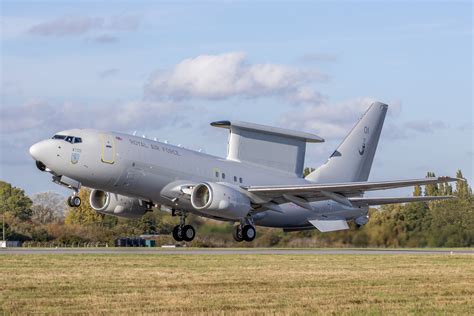
However, the SDR makes no mention of the New Medium Helicopter programme nor does it detail commitments to the F-35A variant, which could carry tactical nuclear weapons and fly longer distances.
Tempest and the Future of British Air Power
The sixth-generation fighter jet programme, Tempest, remains the RAF’s most ambitious long-term project. Aimed at producing a jet that fuses manned and autonomous capability, Tempest will offer next-gen AI systems, swarming drone support, and hypersonic missile integration. Though still in development, its progress will likely shape the RAF’s air combat doctrine for decades.
Until then, maintaining a technological and operational edge will require substantial investment—not just in aircraft, but also in trained personnel.
Recruitment, Retention, and the Controversy Around Diversity
The RAF’s personnel issues go beyond raw numbers. A controversial diversity recruitment drive between 2020–2021 saw 161 candidates fast-tracked based on ethnicity or gender. A Ministry of Defence inquiry concluded this amounted to positive discrimination, which the RAF later acknowledged as a policy misstep.
Critics argue this left the RAF short of pilots at a critical juncture. The service denies any operational shortfall, but internal documents reveal ongoing challenges in retaining highly trained fighter pilots.
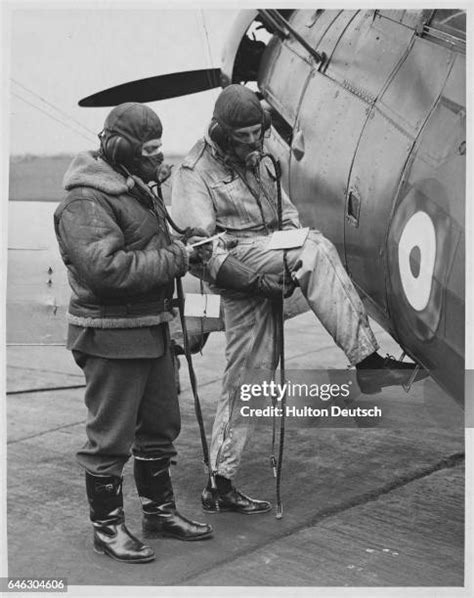
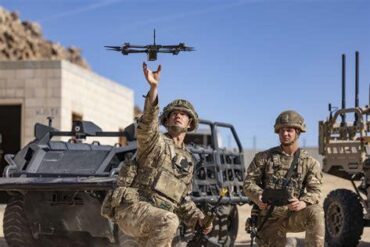
Effective recruitment is especially crucial now, as the RAF pivots toward operating not just legacy platforms but also autonomous systems and drone squadrons, which require specialist training beyond traditional flight instruction.
NATO Integration and the Shadow of War
While the RAF is smaller than its Cold War-era peak, its integration with NATO’s vast air assets dramatically increases its reach and resilience. In the event of a conflict with Russia, the RAF would not operate in isolation, but as a critical node in a networked multinational air force.
Bagwell put it bluntly: “If there’s one thing that scares the s out of Russia, it’s *Western air power. Our investment should be targeted where we’re strongest—air dominance.”
The future may be uncertain, but one thing is clear: the RAF, though streamlined and under pressure, retains the capacity to strike hard, fly fast, and stand tall among global air forces.