Spirit Airlines spent years redefining what Americans expected from air travel. By offering rock-bottom fares and charging separately for nearly every additional service, the airline helped create a marketplace where domestic flights often cost less than a night at a hotel or even a tank of gasoline. Millions of travelers embraced the model, while competitors were forced to react. Now, following Spirit Airlines’ collapse and permanent shutdown, aviation analysts are warning that one of the most influential forces behind low ticket prices in the United States has disappeared, potentially reshaping the economics of air travel for years to come.
The Airline That Changed How Americans Bought Tickets
For much of the last two decades, Spirit Airlines became synonymous with ultra-low-cost flying. Its business strategy was remarkably simple: advertise the lowest possible base fare and allow passengers to customize their experience through optional add-ons. Checked baggage, carry-on luggage, seat assignments, priority boarding, and onboard refreshments all became separate purchases.
This approach allowed Spirit to display fares that frequently undercut competitors by significant margins. While critics often targeted the airline’s fee structure, the strategy proved effective in attracting cost-conscious travelers who prioritized affordability above all else. More importantly, Spirit helped normalize the idea that air travel could be accessible to nearly everyone.
The airline’s influence extended far beyond its customer base. Even travelers who never boarded a Spirit aircraft often benefited from the carrier’s aggressive pricing. Whenever Spirit entered a new route, competing airlines frequently reduced fares to maintain market share, creating lower prices throughout the entire market.
By 2024, Spirit transported approximately 44.2 million passengers and generated around $4.8 billion in annual revenue. Despite these impressive numbers, financial pressures began mounting rapidly as operating costs increased and market conditions shifted.
Financial Decline That Accelerated Faster Than Expected
The airline’s deterioration was swift and dramatic. Within a relatively short period, revenue fell from approximately $4.8 billion to around $3.7 billion. Passenger traffic also declined significantly, dropping from more than 44 million travelers to roughly 32 million.
As the company attempted to stabilize its finances, it reduced fleet size, cut capacity, and implemented restructuring measures. However, these efforts ultimately proved insufficient. The airline that once represented one of the most recognizable names in budget aviation ceased operations entirely in May.
Industry observers argue that Spirit’s collapse cannot be measured solely by the loss of a single airline. The shutdown represents the disappearance of a competitive force that helped suppress fares across hundreds of domestic routes.
Travel industry experts have suggested that the industry may be entering a fundamentally different phase. Some analysts describe the shift as a return to an earlier era of aviation, when affordable air travel existed but was far less widespread and significantly more expensive than consumers have become accustomed to in recent years.
Why Spirit’s Market Influence Exceeded Its Size
Although Spirit was not among the “Big Three” carriers—American, Delta, and United—its influence on airfare pricing was disproportionate to its market share. In 2025, the airline accounted for nearly 4% of the domestic market and ranked as the seventh-largest airline in the United States by passenger volume.
At first glance, a 4% market share may appear relatively small. However, airline pricing dynamics often depend less on size and more on competitive pressure. The mere presence of a low-cost carrier can force legacy airlines to reduce fares, particularly on leisure-focused routes where travelers are highly sensitive to ticket prices.
When Spirit launched service in a market, competitors frequently responded with promotional fares and discounted tickets. This phenomenon became known throughout the industry as the “Spirit effect,” where one airline’s presence influenced pricing behavior across multiple carriers.
The elimination of that competitive pressure creates new opportunities for fare increases. Airlines no longer face the same urgency to match deeply discounted Spirit tickets, potentially allowing average fares to rise across many domestic markets.
Capacity Reductions Could Push Ticket Prices Higher
One of the most significant concerns following Spirit’s collapse involves overall seat availability. The airline operated a substantial network of domestic routes and contributed millions of seats to the U.S. aviation system each year.
When an airline disappears, those seats do not automatically return to the market. Competing carriers may absorb some routes, acquire aircraft, or increase frequencies, but such transitions require time, investment, and operational planning.
Even modest reductions in available seats can have meaningful consequences. Airline pricing is heavily influenced by supply and demand. When capacity decreases while travel demand remains stable or grows, fares typically increase.
This effect becomes especially pronounced during peak leisure travel periods. Popular vacation destinations, holiday routes, and seasonal markets often experience stronger pricing power when fewer seats are available.
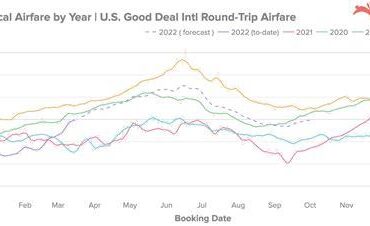
As a result, travelers may encounter a market where discounted tickets still exist but are less frequent, less aggressive, and available for shorter booking windows than in previous years.
Rising Fuel Costs Create New Challenges For Budget Airlines
Spirit’s disappearance is occurring against a backdrop of increasing industry-wide costs. Among the most significant pressures is jet fuel, which remains one of the largest expenses for airlines.
Recent Department of Transportation data revealed a sharp increase in fuel spending across the industry. U.S. carriers collectively spent approximately $5.06 billion on jet fuel during March, representing a dramatic increase from the previous month and a substantial rise compared with the same period a year earlier.
For low-cost airlines, these increases create unique difficulties. The ultra-low-cost model depends on maintaining thin profit margins while maximizing passenger volume. When fuel prices rise sharply, carriers have fewer options available to absorb those costs.
Unlike large network airlines, budget carriers generally possess fewer premium revenue streams. They often lack extensive international networks, premium cabins, corporate travel contracts, and other high-margin products that can offset rising expenses.
Consequently, maintaining ultra-cheap fares becomes increasingly difficult when fuel, labor, maintenance, and airport costs continue climbing simultaneously.
The Future Of Cheap Flying In America
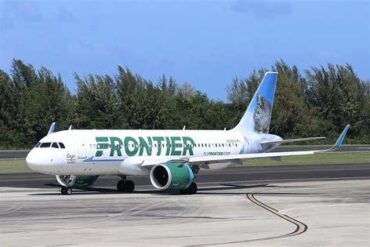
The end of Spirit Airlines does not mean low-cost travel will disappear entirely. Airlines such as Frontier and JetBlue continue serving price-sensitive travelers, and new competitive opportunities may emerge over time. However, the conditions that allowed extraordinarily cheap airfare to flourish are becoming more difficult to sustain.
Higher operating expenses, reduced market capacity, and the loss of a major fare-disrupting competitor are creating an environment where airlines have greater pricing power than they enjoyed during the height of the ultra-low-cost era.
For travelers, the implications could be significant. The expectation that a last-minute domestic flight might cost less than a weekend road trip may gradually become less realistic. Budget-friendly options will likely remain available, but the extraordinary bargains that characterized the Spirit Airlines era could become increasingly rare.
Spirit’s collapse marks more than the end of a single airline. It represents a pivotal moment in the evolution of American aviation, one that may ultimately redefine what consumers consider an affordable airfare in the years ahead.