The era of ultra-low-cost air travel in the United States is reaching an inflection point. As the economic landscape shifts and passenger expectations evolve, the once-celebrated budget airlines are facing an existential crisis, signaling the potential end of the cheap flying model that defined air travel for millions of Americans in the past two decades.
The Rise and Fall of Ultra-Low-Cost Carriers
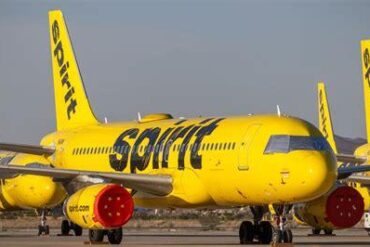
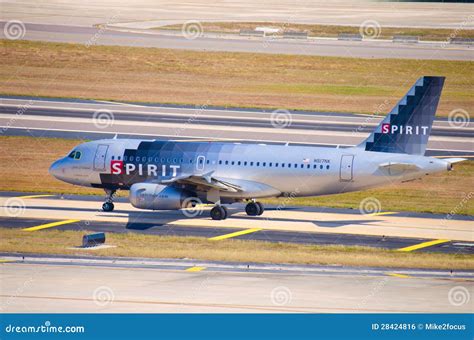
The idea behind ultra-low-cost carriers (ULCCs) was simple yet revolutionary: democratize air travel by stripping it down to its bare bones, offering passengers the cheapest possible fares with everything else à la carte. Airlines like Spirit Airlines, Frontier Airlines, and Allegiant Air thrived under this model, generating profits through aggressive cost-cutting and relentless ancillary fees. At its peak in the 2010s, Spirit Airlines boasted operating margins more than double those of legacy carriers, proving that the lean approach worked—at least for a time.
But cracks began to form as consumer frustration mounted. The model’s reliance on nickel-and-diming customers—charging for everything from water bottles to carry-on bags—created an atmosphere of distrust and dissatisfaction. Frequent delays, cramped seating, and poor customer service compounded the issues, turning many once-loyal passengers away.
A Changing Competitive Landscape
Adding to their woes, legacy carriers like Delta Air Lines, United Airlines, and American Airlines began offering their own stripped-down options in the form of basic economy fares. Unlike ULCCs, these fares still provided baseline comforts, including assigned seats, complimentary beverages, and access to popular loyalty programs. This hybrid approach allowed full-service airlines to capture budget-conscious travelers without sacrificing their premium reputation.
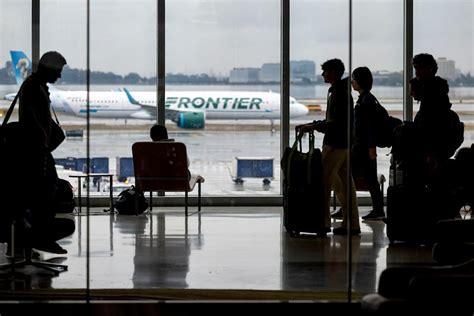
Meanwhile, some budget airlines tried to evolve. JetBlue Airways positioned itself between low-cost and legacy carriers, offering vegan leather seats and self-serve snack bars alongside competitive pricing. Even Frontier Airlines pivoted, announcing plans to introduce a first-class product and more bundled fare options, hoping to lure customers who wanted low fares without sacrificing dignity.
“As consumers changed their preferences, we evolved with the times,” said Barry Biffle, CEO of Frontier. But adapting came at a price—literally. Introducing more services increased costs, blurring the very distinction that made ULCCs viable in the first place.
Economic Pressures and Industry Fatigue
The aftermath of the COVID-19 pandemic delivered a punishing blow. Labor shortages, higher airport fees, and increased fuel prices squeezed margins. Even as passenger numbers rebounded, the cost of operating remained stubbornly high. Spirit Airlines filed for bankruptcy and re-emerged as Spirit Aviation Holdings Inc. after a turbulent financial restructuring. Frontier Airlines projected ongoing quarterly losses despite its strategic shifts.
For passengers like Jim Wahlen, a 42-year-old from Chicago, the value proposition of budget airlines has eroded. After booking what seemed like a cheap family trip on Frontier, Wahlen discovered the final price—bloated by hidden fees—was barely lower than flying with a full-service airline. “I am honestly just done with them overall for our major family trips,” he lamented, echoing a sentiment spreading among travelers who once championed frugality over comfort.
Legacy Carriers Weaponize Basic Economy
Full-service airlines have not stood still. Executives like United CEO Scott Kirby have been candid about the tactics: “The low-cost carrier model is about ‘We’re going to offer you a low price and we’re going to, pardon my language, screw you everywhere else.’ And customers hate it.” Instead of imitating ULCCs outright, legacy carriers have weaponized basic economy as a competitive shield, offering lower fares without sacrificing goodwill.
Analysts such as Conor Cunningham from Melius Research note that basic economy became a strategic lever, not merely a pricing tool. This approach undermined ULCCs’ value proposition while bolstering loyalty to bigger brands. Passengers, burned by poor ULCC experiences, opted for the perceived reliability and familiarity of established airlines, even at marginally higher prices.
The Structural Challenges of Staying Cheap
The original ULCC blueprint relied on operational efficiency and high utilization rates. By cramming more seats into planes, minimizing turnaround times, and outsourcing costs to passengers, these airlines could undercut rivals. Yet, higher labor contracts, airport congestion, and stricter regulatory requirements post-pandemic have chipped away at those advantages.
Spirit’s once-iconic cost-saving measures—including eliminating its toll-free customer service number and requiring executives to vacuum their own offices—now seem quaint, even counterproductive in an era where customer experience is king. The attempt by JetBlue to acquire Spirit offered an exit route, but the deal was blocked by a federal judge on antitrust grounds, closing off a strategic lifeline.
Toward a New Era of Air Travel
“The original ultra-low-cost model is gone for good in the US,” declared Frontier Chairman Bill Franke, acknowledging a fundamental shift. The combination of rising operational costs, consumer fatigue, and encroachment by legacy carriers has rendered the old model unsustainable.
Budget airlines are now faced with a difficult choice: continue chasing profits with incremental add-ons that alienate passengers, or fully reinvent themselves by moving upmarket—risking alienating their base without guaranteeing success.
As the lines blur between low-cost and full-service offerings, passengers are no longer swayed by rock-bottom base fares alone. Travelers are factoring in total trip costs, convenience, and peace of mind. The dream of ultra-cheap flying, once hailed as a democratizing force, may ultimately prove to have been a short-lived experiment in American aviation.
The Road Ahead for Budget Airlines
Without the breathing room to compete solely on price, budget carriers are testing hybrid models that incorporate some full-service perks while keeping costs lean. But as the market matures, scale and diversification favor larger players. Airlines with international routes, business-class cabins, and robust corporate partnerships can weather economic turbulence better than domestic-only, leisure-focused operators.
For travelers, the end of the ultra-cheap era doesn’t necessarily mean higher fares across the board. Rather, it reflects a realignment of expectations. The gamble on paying for every amenity individually—boarding passes, seat assignments, snacks—has lost its novelty, and passengers are willing to pay a modest premium for transparency and predictability.
Ultimately, the American public has grown weary of the hidden-fee labyrinth and barebones service. As loyalty shifts back toward carriers that balance affordability with dignity, budget airlines must navigate a precarious path forward—caught between the promise of cheap flying and the reality of rising costs and customer disillusionment.