In a significant update, the US State Department has issued a strong advisory for American citizens, particularly those of Iranian descent, against traveling to Iran amidst rising geopolitical tensions. The warning, released on July 10, 2025, highlights the myriad dangers faced by U.S. nationals in Iran, where the government does not recognize dual nationality and routinely denies consular access to detained American citizens. This advisory serves as a critical reminder of the complex and perilous situation that American travelers may encounter in Iran.
The advisory comes as part of a broader awareness campaign initiated by the US State Department, aimed at safeguarding American citizens abroad. Speaking during a press briefing, Tammy Bruce, a spokesperson for the department, emphasized the severe risks involved for American travelers, particularly Iranian Americans who may perceive their heritage as a link to family or cultural ties in Iran. The U.S. government’s stance underscores that the Iranian regime’s policies create a dangerous environment for dual nationals, leaving them vulnerable to legal complications that could arise during their travels.
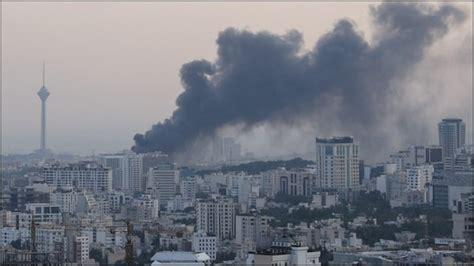
As tensions between the United States and Iran continue to escalate—marked by military strikes on Iranian sites and ongoing conflicts related to Israel—the risks for American citizens remain high. Bruce pointed out that even though there has been a temporary cessation of hostilities, the situation remains volatile and unpredictable.
Travel Risks: A Closer Look
Understanding the travel risks associated with visiting Iran requires a thorough examination of the country’s legal system and its complex relationship with the United States. The Iranian government’s refusal to acknowledge dual nationality places many Iranian Americans in precarious situations when they visit. While individuals with dual citizenship may be treated as Iranian citizens, this complicates their ability to seek assistance from American consular services, which are crucial during any legal or personal crises.
Reports from American citizens who have been detained in Iran reveal alarming challenges in accessing consular support, regardless of the charges they face. The US government has consistently highlighted that Iranian authorities deny American consulates access to detained citizens, exacerbating the risk of unjust detention or mistreatment. These obstacles make travel to Iran particularly risky for Americans, especially those with Iranian heritage who might find themselves entangled in the local legal system.
Additionally, the broader geopolitical context cannot be overlooked. The escalation of conflict between Israel and Iran—exemplified by military actions such as airstrikes on Iranian nuclear facilities and subsequent retaliatory measures—creates a highly unstable environment. As relations between the U.S. and Iran deteriorate, so too do the risks for American travelers in the region. The State Department’s travel advisory highlights these compounded risks, urging Americans, especially those of Iranian descent, to reconsider any plans to travel to Iran at this time.
The New Travel Advisory and Resources for American Citizens
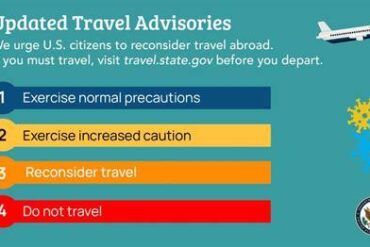
In light of these dangers, the US State Department has launched a dedicated website to provide American citizens with up-to-date information regarding travel risks associated with Iran. This user-friendly platform offers essential resources, including detailed travel advisories, insights into Iran’s legal system, and guidance on how to navigate potential dangers.
Travelers can find critical information on the site that outlines the risks posed by the Iranian regime, particularly concerning dual nationals who may face arrest, detention, or forced confessions under duress. This resource aims to empower Americans to make informed decisions about their travel plans, emphasizing the importance of understanding the current geopolitical landscape.
The Geopolitical Context of the Travel Advisory
The issuance of this travel warning is set against a backdrop of escalating tensions in the Middle East, particularly between Israel and Iran. The conflict intensified in June 2025 when Israel conducted airstrikes targeting Iranian nuclear facilities, prompting U.S. military action under Operation Midnight Hammer aimed at Iranian military infrastructure. In retaliation, Iran launched missile attacks against Israeli targets and U.S. military bases in the region, further complicating the security dynamics.
While U.S. President Donald Trump has expressed cautious optimism regarding the potential for diplomatic dialogue, the reality remains that the situation is fragile. Iranian President Masoud Pezeshkian has indicated a desire for negotiations but acknowledged the significant challenges in rebuilding trust following recent military actions. This volatile environment amplifies the risks faced by American travelers in Iran, making it imperative for them to heed the State Department’s warnings.
Iran’s Response to the Conflict and the Risk to Travelers
Despite the U.S. government’s attempts to approach the situation diplomatically, including prospects for potential talks, the Iranian government has maintained a firm stance. The ongoing military actions targeting Iranian sites have led to widespread dissatisfaction within Iran, which condemns these actions as violations of international law. For American travelers, these heightened tensions mean that even routine visits could expose them to considerable risk.
Moreover, the unpredictability of Iran’s legal system, coupled with the country’s ongoing disputes with foreign governments, adds an extra layer of complexity for American visitors. The US State Department has reiterated that Americans traveling to Iran could find themselves caught in a convoluted web of political and legal issues that are challenging to navigate without adequate support from consular services, which may be unavailable to them.
Conclusion: A Time for Caution
As the geopolitical situation in the Middle East continues to evolve, American citizens—especially those of Iranian descent—must exercise extreme caution when considering travel to Iran. The recent awareness campaign by the US State Department, along with the newly designed travel advisory website, represents a significant effort to equip American travelers with the necessary information regarding potential dangers. The message is clear: the current political climate makes travel to Iran inadvisable.
With the legal landscape shifting constantly and the risk of entanglement in Iran’s judicial system, the State Department strongly advises against any travel to the country at this time. American citizens should prioritize their safety and consider alternative travel plans while staying informed about the evolving situation through official channels such as the U.S. State Department’s website.