As London continues to be a favored destination for American tourists, local residents have begun to voice their concerns regarding a growing trend that is causing confusion and frustration. The issue revolves around the use of shorthand names for well-known locations, which, while seemingly harmless, can lead to significant misunderstandings. This article delves into the nuances of communication between American visitors and British locals, offering insights and solutions to enhance the travel experience in this iconic city.
In recent discussions on platforms like Reddit, several UK residents highlighted their frustrations with American tourists who often drop suffixes when referring to popular destinations. For instance, when locals mention “Green,” they are typically referring to Green Park, a bustling green space in central London. However, this shortened term can be perplexing for those unfamiliar with the area, as it lacks the necessary context. The same confusion arises when travelers inquire about “Holland,” which is commonly understood to mean Holland Park, rather than the entire country of the Netherlands.
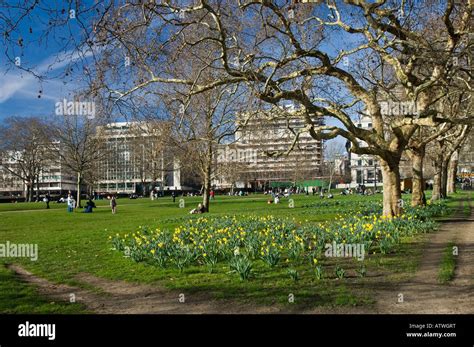
This trend has not only sparked debates online but has also manifested in real-world scenarios where misunderstandings can lead to complications. One Reddit user recounted an experience where tourists asked for directions to “Green” after arriving via Edgware, which pertains to a completely different part of London. Such instances exemplify how these oversimplifications can create friction, particularly when locals attempt to assist confused visitors.
Miscommunication Leads to Travel Nightmares
The ramifications of this communication gap extend beyond mere inconvenience. Another Reddit user, who worked in the railway sector, shared an anecdote about selling tickets to Gloucester when the travelers actually intended to go to Gloucester Road, a major station in central London. Despite multiple clarifications, the tourists remained convinced they were headed to Gloucester, illustrating how such miscommunications can lead to wasted time and frustration for all parties involved.
Similar issues arise when visitors ask for directions to Leicester, which could easily be confused with Leicester Square, a popular tourist destination. The lack of specificity can result in misguided directions, sending tourists on unnecessary detours. A comparable situation occurs when someone requests directions to Tottenham without specifying Tottenham Court Road, potentially leading them far from their intended destination. Even in smaller towns outside London, such as Charing Cross, confusion persists. One anecdote detailed how American tourists would often request tickets to “Charing,” unaware that they meant Charing Cross, resulting in tickets to Charing, Kent, which is over 50 miles away.
These humorous yet concerning incidents underscore the importance of clear communication. Locals are now calling for greater awareness among tourists regarding the naming conventions used in London. Many believe that while abbreviations may function well in other countries, London’s unique geography and similar-sounding names necessitate a more careful approach.
The Frustration of Local Residents
British locals have taken to social media platforms to express their irritation over the increasing prevalence of these shorthand terms. They argue that while it may seem like a minor annoyance, the continual misuse of place names contributes to a wider cultural misunderstanding. Tourists often find themselves at a loss when navigating the city’s extensive transport systems, where accurately identifying locations is crucial for timely travel.
Misunderstandings related to place names can significantly disrupt a visitor’s experience, leading to delays and increased stress. London’s intricate transport system, including the Tube and bus services, relies heavily on passengers providing precise information. A simple mix-up can cascade into missed trains or buses, transforming what should be an enjoyable exploration into a frustrating ordeal.
Tips for American Tourists in London
For American tourists eager to avoid these pitfalls while visiting London, there are several straightforward strategies to ensure clearer communication. First and foremost, it is vital to use the full and accurate names of locations when asking for directions. Instead of simply saying “Green,” it’s best to specify Green Park. Similarly, instead of asking for “Holland,” one should refer to Holland Park. Although this may require a few extra seconds of speech, the clarity gained will undoubtedly facilitate smoother navigation and less confusion.
Additionally, tourists are encouraged to familiarize themselves with the names of popular destinations before arriving in London. A quick online search or a glance at a map can provide valuable context, helping to streamline the experience. If there’s ever doubt, it’s always wise to double-check the full name of a place prior to seeking directions.
Conclusion: Building Bridges Through Better Communication
In conclusion, while convenience plays a significant role in travel, it is essential to recognize the potential drawbacks of overly simplified communication in a city as complex as London. American tourists, in particular, should be mindful of using complete names for places to foster a more pleasant experience while exploring the city. By being attentive to the language we use, both tourists and locals can work together to minimize misunderstandings and enhance the overall enjoyment of this vibrant metropolis. Ultimately, embracing clarity and precision in communication will lead to improved travel experiences for everyone involved.