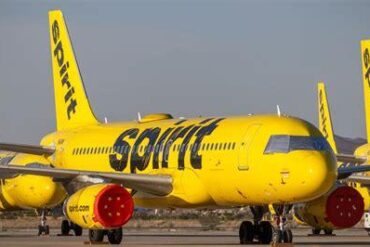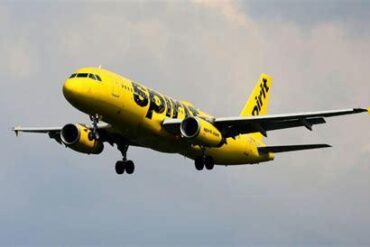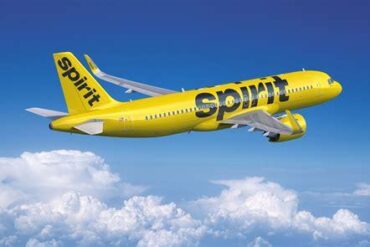
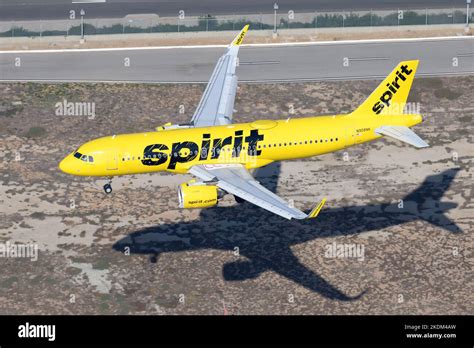
The potential disappearance of Spirit Airlines is not just another airline bankruptcy story—it is a structural shock that could ripple through the entire aviation ecosystem. What makes this situation particularly fascinating is that the impact would extend far beyond the routes Spirit actually serves. Even travelers who have never stepped onto one of its bright yellow Airbus jets could find themselves paying more for tickets in the near future.
At first glance, that might sound counterintuitive. How can an airline influence prices in markets it never entered? The answer lies in the invisible mechanics of competition, where pricing strategies are shaped as much by threats as by actual presence. Spirit Airlines has long functioned as a disruptive force, one that compels larger carriers to behave differently simply because it exists.
The airline’s current financial distress—marked by bankruptcy proceedings, shrinking fleet plans, and discussions of federal support—has transformed it from a budget carrier success story into a cautionary tale. Yet paradoxically, its weakening position highlights just how essential it has been to keeping fares in check.
The Hidden Pricing Power of Ultra-Low-Cost Competition
Spirit Airlines does not need to fly a route to influence it. Its mere potential to enter a market has historically been enough to trigger defensive pricing from competitors. This phenomenon is often underestimated, but it sits at the core of how modern airline pricing works.
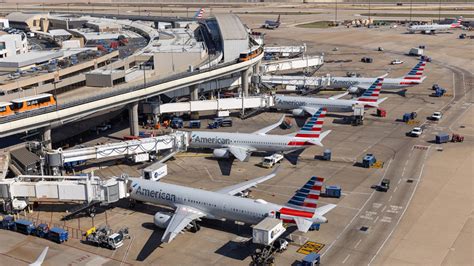
Legacy carriers like American, Delta, and United constantly monitor competitive threats. When a disruptive player like Spirit signals interest in a route—or even operates nearby—these airlines frequently preemptively lower fares. They introduce basic economy tickets, launch flash sales, or adjust pricing algorithms to retain price-sensitive customers before Spirit can siphon them away.
This dynamic creates a kind of “shadow competition.” Spirit becomes a psychological ceiling on fares, limiting how high prices can climb even in markets it never physically touches. Remove that ceiling, and the entire structure shifts upward.
Without Spirit, airlines gain something incredibly valuable: freedom. Freedom to raise fares incrementally, to reduce promotional discounts, and to prioritize higher-margin passengers without fear of being undercut. The result is not an immediate price spike everywhere, but a gradual, widespread increase that becomes noticeable over time.
Why Spirit Airlines Became So Influential
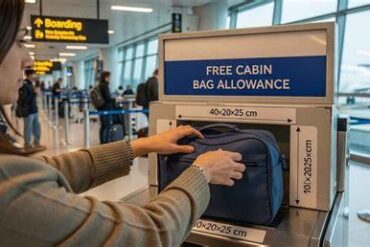
Spirit’s influence stems from its radical business model. Unlike traditional airlines, it stripped the ticket down to its bare essentials. The base fare is often astonishingly low, sometimes appearing almost unsustainably cheap. But the real revenue comes from ancillary fees—baggage, seat selection, priority boarding, and more.
This model allowed Spirit to attract a highly price-sensitive segment of travelers, people who might otherwise not fly at all. By doing so, it expanded the market rather than merely competing within it. And that expansion forced competitors to adapt.
Legacy airlines responded by introducing “basic economy” fares, essentially mimicking parts of the ultra-low-cost model. While these fares come with restrictions, they serve a crucial purpose: keeping budget-conscious travelers within their ecosystem instead of losing them to Spirit.
In effect, Spirit didn’t just compete—it reshaped the rules of the game.
The Financial Crisis That Changed Everything
Spirit Airlines’ current predicament did not emerge overnight. It is the result of multiple pressures converging at once, exposing the fragility of the ultra-low-cost model in a post-pandemic world.
Fuel costs surged, labor expenses climbed, and operational disruptions—such as engine-related aircraft groundings—reduced capacity. At the same time, demand from budget travelers became less predictable, weakening the airline’s core customer base.
Perhaps most damaging was the competitive response from larger airlines. By adopting basic economy pricing, legacy carriers effectively eroded Spirit’s unique advantage. Travelers who once chose Spirit purely for price suddenly had comparable options on more comfortable airlines.
The failed merger attempts added another layer of strain. Consolidation could have offered a lifeline, but regulatory resistance left Spirit to navigate its challenges alone. Entering a second Chapter 11 restructuring underscored just how severe the situation had become.
Now, with plans to shrink its fleet to roughly 76–80 aircraft by late 2026—a dramatic reduction from its previous size—the airline is retreating from the expansive network it once operated.
A Shrinking Network Means Expanding Consequences
As Spirit pulls back, the immediate effect is obvious: fewer routes, fewer flights, and reduced capacity. But the secondary effects are where things get interesting.
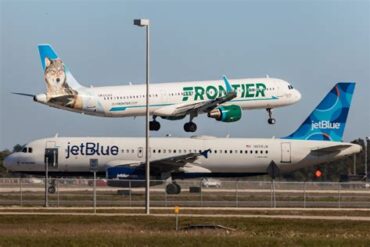
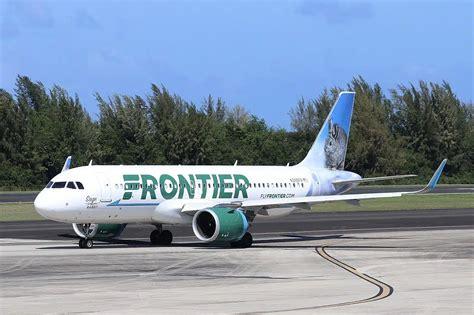
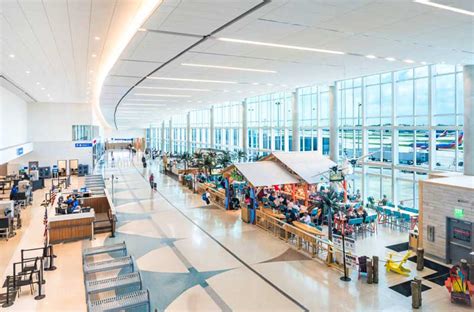
Airlines like Frontier and JetBlue are already moving into spaces Spirit is vacating. Airports such as Fort Lauderdale, once a stronghold for Spirit, are becoming battlegrounds for competitors eager to capture displaced demand.
However, replacement does not equal replication. Even if other carriers step in, they are unlikely to match Spirit’s ultra-low fares at scale. Frontier comes closest in terms of business model, but its network and capacity are not identical. JetBlue, while competitive, operates at a higher cost structure and targets a slightly different market segment.
This means that while routes may remain served, the pricing dynamics fundamentally change. The cheapest tickets become less common, and the baseline price begins to rise.
Who Stands to Gain From Spirit’s Exit?
The most immediate beneficiary would likely be Frontier Airlines. With a similar ultra-low-cost structure, it is well-positioned to absorb price-sensitive travelers who still prioritize affordability above all else. Markets like Florida, Las Vegas, and Orlando could see Frontier expand aggressively.
JetBlue is another clear winner, particularly in regions where it already has a strong presence. Its ability to combine relatively competitive pricing with a more comfortable product makes it an attractive alternative for former Spirit passengers.
Legacy carriers benefit in a quieter but equally significant way. Without Spirit exerting downward pressure, they gain increased pricing power. They can maintain higher fares without needing to match ultra-low-cost competitors as frequently.
Even Southwest, with its unique positioning, could capture some of the displaced demand, though its cost structure limits how low it can price tickets compared to ultra-low-cost carriers.
Why Fewer Low-Cost Airlines Means Higher Prices for Everyone
Competition in aviation is not just about the number of airlines—it’s about the type of airlines. Ultra-low-cost carriers play a unique role because they redefine what the lowest possible fare looks like.
When that benchmark disappears, the entire pricing ladder shifts upward. Budget options become less extreme, mid-range fares creep higher, and premium pricing faces less resistance.
This effect is particularly pronounced in concentrated markets, where only a few airlines dominate. Without a disruptive competitor, these carriers have less incentive to engage in aggressive price competition.
Even travelers who prefer full-service airlines feel the impact. Lower-cost alternatives act as a safety valve, keeping prices in check across all segments. Remove that valve, and pressure builds.
The Regulatory Paradox: Protecting Competition vs. Losing It
The situation places regulators in a difficult position. On one hand, they have blocked mergers involving Spirit to preserve competition. The logic is straightforward: fewer airlines mean higher prices and fewer choices.
On the other hand, allowing Spirit to fail could produce a similar outcome. The disappearance of a major ultra-low-cost carrier reduces competitive pressure just as effectively as a merger would.
This paradox highlights a deeper issue in airline regulation. Competition is not just about maintaining the number of players—it’s about ensuring diversity in business models. Losing a carrier like Spirit is not the same as losing a traditional airline; it removes a specific kind of competitive force that is hard to replace.
A Market Without Spirit: What Travelers Should Expect
If Spirit Airlines ultimately exits the market, the changes will not happen overnight. Airfare increases are more likely to emerge gradually, embedded within broader pricing trends.
Travelers may notice fewer ultra-cheap tickets, reduced promotional sales, and tighter availability at the lowest price points. Over time, average fares could trend upward, even on routes untouched by Spirit’s network.
There may also be subtle shifts in airline behavior. Carriers could prioritize profitability over volume, focusing on higher-yield passengers rather than competing aggressively for budget travelers.
For occasional flyers, the difference might feel incremental. For frequent travelers and those on tight budgets, it could be significant.
The Bigger Picture: Why Spirit’s Fate Matters Beyond Aviation
Spirit Airlines represents more than just a company—it embodies a philosophy of travel accessibility. By making flying affordable for a broader segment of the population, it helped democratize air travel.
Its potential disappearance raises important questions about the future of that accessibility. Will other airlines step in to fill the gap, or will the industry gradually move toward higher baseline pricing?
The answer will shape not just airline competition, but how people travel, how often they fly, and who can afford to do so.
In the end, the story of Spirit Airlines is not just about one carrier struggling to survive. It is about the delicate balance of competition, pricing, and consumer choice in a complex, interconnected market. Remove one piece—even one that seems niche—and the entire system adjusts.
And in this case, that adjustment is likely to come with a higher price tag.