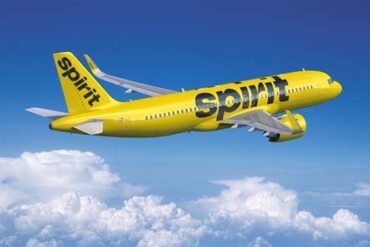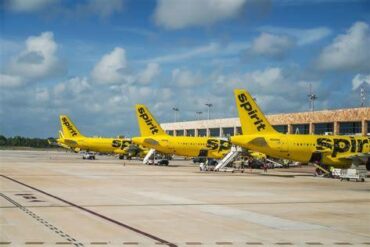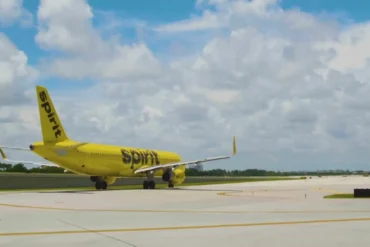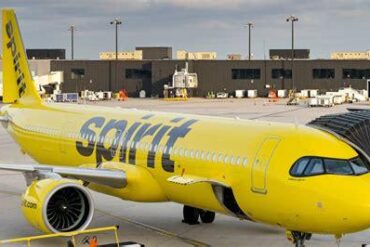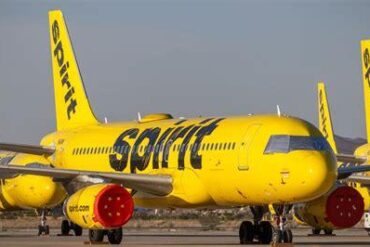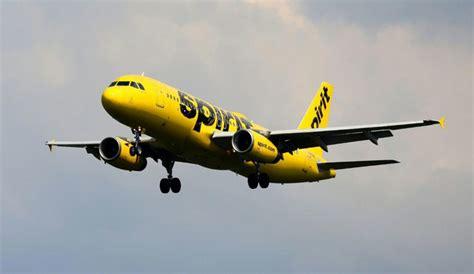
The sudden shutdown of Spirit Airlines has sent shockwaves through the American aviation industry, leaving thousands of travelers scrambling for alternatives and forcing major airlines to react almost overnight. After 34 years in operation, the ultra-low-cost pioneer officially halted flights on May 2, 2026, ending one of the most disruptive chapters in modern US air travel. Airports once filled with Spirit’s unmistakable yellow jets are now witnessing long lines of stranded passengers searching for replacement tickets, refunds, and answers.
Spirit’s collapse did not happen in isolation. The airline had spent years balancing razor-thin margins, aggressive expansion, and mounting operational pressures. Rising fuel prices tied to global geopolitical instability, post-pandemic debt burdens, and increasingly fierce competition from legacy carriers gradually pushed the company toward financial exhaustion. In the final weeks, hopes for a federal bailout and creditor-backed restructuring faded rapidly, leaving liquidation as the only remaining path.
The airline confirmed the suspension of all operations through an official notice posted online, instructing passengers not to travel to airports. Automatic refunds for card purchases offered some relief, but uncertainty remains surrounding travel credits, vouchers, and loyalty points tied up in bankruptcy proceedings. For many frequent travelers, the end of Spirit represents more than a failed airline — it marks the disappearance of the carrier that permanently changed how Americans viewed cheap airfare.
By aggressively undercutting competitors for decades, Spirit forced the entire US airline market to adapt. Budget pricing became mainstream because of Spirit’s influence. Ancillary fee models, stripped-down fares, and bare-bones ticket structures eventually spread across the industry. Ironically, the same model that reshaped aviation also contributed to the carrier’s downfall.
United Airlines Launches Aggressive Rescue Fare Program
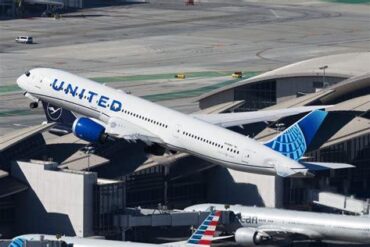
Among the first major airlines to respond was United Airlines, which moved quickly to introduce capped one-way rescue fares for displaced Spirit passengers. The Chicago-based carrier announced $199 one-way fares on most domestic routes and $299 fares on longer-haul services through May 16.
The offer specifically targets stranded Spirit travelers who can provide their original booking confirmation while booking directly through United’s website as MileagePlus members. The strategy serves two purposes simultaneously: capturing urgent demand while positioning United as a stabilizing force during one of the industry’s largest domestic airline collapses in years.
United’s response also reflects the intense competitive battle now unfolding across major US hubs previously dominated by Spirit, particularly Orlando, Fort Lauderdale, Las Vegas, and Newark. With millions of annual low-cost seats suddenly removed from the market, airlines recognize a rare opportunity to absorb new long-term customers.
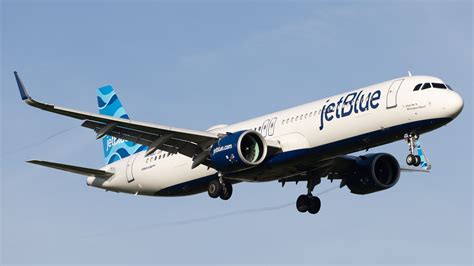
JetBlue Expands Routes As Spirit Disappears
JetBlue Airways has emerged as one of the most aggressive beneficiaries of Spirit’s downfall. The New York-based airline rapidly introduced $99 one-way rescue fares on overlapping routes while simultaneously expanding its network with 11 additional services aimed at replacing lost Spirit capacity.
The airline also capped Blue Basic fares at $299 for routes serving Fort Lauderdale and San Juan, two cities where Spirit historically maintained a massive presence. Industry analysts view JetBlue’s rapid expansion as an attempt to secure dominance in leisure-heavy markets abandoned by Spirit almost overnight.
For JetBlue, the timing carries additional significance. Previous attempts to merge with Spirit faced regulatory opposition, making the ULCC’s collapse a dramatic twist in the competitive landscape. Instead of acquiring Spirit directly, JetBlue now finds itself inheriting portions of its customer base organically through emergency fare programs and expanded scheduling.
Southwest Airlines Uses Flat-Rate Pricing To Attract Stranded Travelers
Southwest Airlines responded with a simplified rescue fare structure that mirrors the airline’s traditionally consumer-friendly branding. The carrier introduced flat-rate one-way tickets priced at $200, $300, or $400 depending on travel distance for flights operating through May 6.
Unlike competitors requiring online verification, Southwest allows these tickets to be booked directly at airport ticket counters, streamlining access for frustrated passengers dealing with last-minute cancellations. The airline also introduced a status match program for former Spirit Silver and Gold Elite members, offering accelerated entry into Southwest’s A-List loyalty program.
The move demonstrates how airlines are competing not only for immediate ticket revenue but also for long-term customer loyalty. Spirit maintained a deeply loyal budget-conscious customer base despite its controversial reputation for fees and operational inconsistencies. Capturing those travelers could reshape domestic market share dynamics for years.
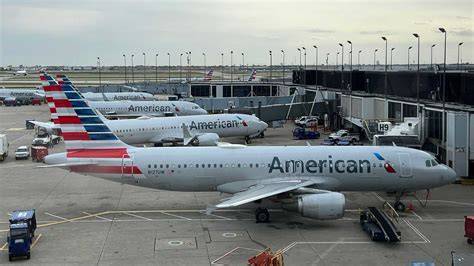
American Airlines And Delta Increase Capacity On Former Spirit Routes
American Airlines quickly implemented rescue fares across routes where it directly competed with Spirit, particularly in Florida and major East Coast markets. To handle increased passenger volume, the airline upgraded several scheduled flights to larger aircraft with expanded seating capacity.
At the same time, American launched recruitment initiatives targeting newly unemployed Spirit workers, including pilots, flight attendants, mechanics, and airport staff. The hiring effort highlights an unusual side effect of the collapse: while Spirit disappears, other airlines suddenly gain access to a large pool of experienced aviation talent.
Delta Air Lines adopted a more controlled pricing strategy by capping fares on high-demand overlapping routes for approximately five days. The temporary price controls are designed to reduce accusations of opportunistic fare spikes while stabilizing affected markets during the immediate aftermath of Spirit’s shutdown.
Frontier Airlines Targets Budget Travelers Left Behind
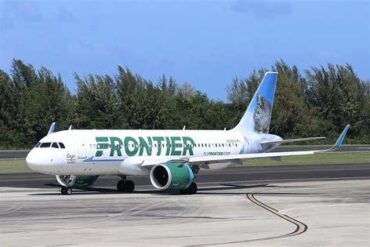
Frontier Airlines now stands as the clearest surviving successor to Spirit’s ultra-low-cost business model. In response to the shutdown, Frontier slashed base fares by 50% for select bookings made before May 10.
The deepest discounts apply to travelers booking at least three weeks in advance and flying on lower-demand days such as Tuesday, Wednesday, or Saturday. Frontier’s pricing structure strongly resembles the formula Spirit popularized for decades: ultra-cheap base fares combined with optional add-ons and flexible upselling.
For budget travelers unwilling to migrate toward more expensive legacy airlines, Frontier may become the closest remaining alternative. However, the collapse of Spirit significantly reduces competitive pressure within the ULCC sector, potentially leading to higher fares industry-wide over time.
The End Of America’s Most Disruptive Budget Airline
Spirit Airlines leaves behind a complicated legacy. The carrier revolutionized domestic air travel by making flying accessible to millions who previously could not afford it. Its no-frills philosophy challenged the industry’s traditional pricing structure and forced competitors to rethink fare segmentation entirely.
Yet the same business model created relentless financial vulnerability. Profit margins remained dangerously thin even during strong travel periods, leaving little protection against fuel spikes, economic downturns, or geopolitical shocks. As operational costs surged in recent years, the economics sustaining Spirit’s ultra-low fares finally collapsed.
For travelers, the immediate concern remains finding affordable alternatives. For the airline industry, however, Spirit’s demise represents something larger: the disappearance of the carrier that fundamentally transformed low-cost aviation in the United States.