A New Era of Unbundled Premium Travel Takes Flight
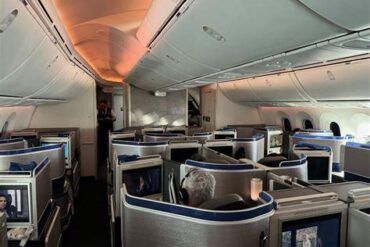
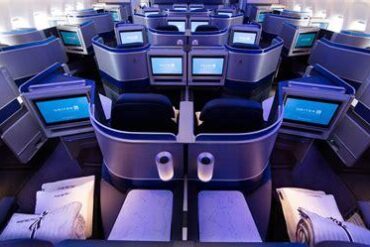
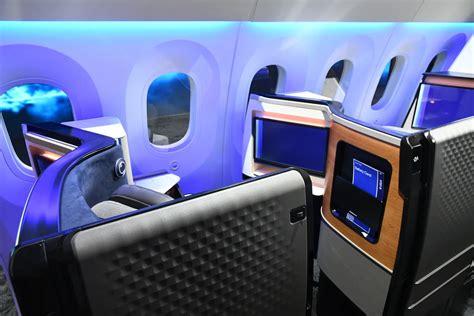
United Airlines is redrawing the boundaries of premium air travel with the introduction of its Basic Polaris fare on transatlantic routes, a move that signals a decisive shift toward hyper-segmented business class pricing. This is not simply a cheaper ticket—it is a carefully engineered product designed to separate core comfort from premium indulgence, allowing travelers to access the coveted lie-flat seat while quietly removing many of the elements that once defined the Polaris experience.
At its core, Basic Polaris targets a specific traveler mindset: those who prioritize sleep and space over ceremony and service. For years, business class has operated as an all-inclusive ecosystem—lounge dining, flexible tickets, premium seating choices, and generous baggage allowances wrapped into a single fare. United’s new structure breaks that bundle apart, turning each component into a monetizable decision point.
The timing is no coincidence. With premium cabin revenue rising sharply in 2025, airlines have recognized that not all business class passengers value the same perks equally. Some want exclusivity; others want efficiency. Basic Polaris exists precisely in that gap, offering a lower entry price while quietly introducing trade-offs that reshape the overall journey.
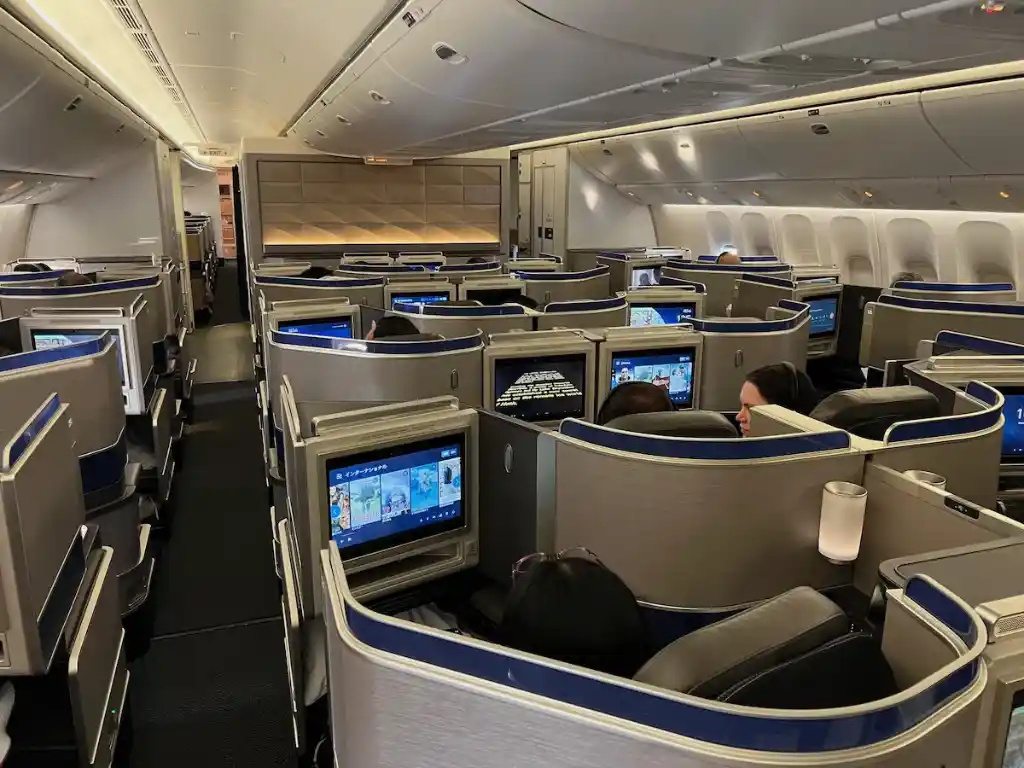
Lounge Access Downgraded: From Luxury Retreat to Functional Space
One of the most immediate—and emotionally noticeable—changes comes before passengers even step onboard. Basic Polaris travelers lose access to United Polaris Lounges, a defining feature of the airline’s premium brand. Instead, they are directed to the United Club, a space that, while improved in recent years, operates on an entirely different level of exclusivity.
This is not a subtle downgrade. Polaris Lounges at hubs like Newark (EWR) and Chicago O’Hare (ORD) offer restaurant-style dining, curated menus, private rest areas, and high-end shower suites. They are designed to feel like boutique hotels rather than airport waiting areas. By contrast, United Clubs deliver buffet-style meals, shared seating, and a more crowded, transitional atmosphere.
The distinction matters most on long-haul journeys. A traveler heading from New York to London or Glasgow under a Standard Polaris ticket can enjoy a multi-course pre-flight meal and a calm, refined environment. A Basic Polaris passenger, meanwhile, trades that experience for something closer to a well-appointed lounge rather than a destination in itself.
This shift reflects a broader industry recalibration. Airlines are increasingly reserving their most premium spaces for higher-yield customers, reducing overcrowding while reinforcing the psychological value of top-tier fares. United’s decision aligns with similar restrictions placed on Star Alliance partner access in 2026, tightening eligibility and restoring exclusivity to Polaris Lounges.
Seat Selection Becomes a Paid Privilege
Perhaps the most controversial element of Basic Polaris is the removal of complimentary seat selection at booking. In a cabin where every seat converts into a bed, the assumption has always been that location equals comfort. United has effectively challenged that assumption by turning seat choice into an optional—and often expensive—add-on.
Passengers booking Basic Polaris must either wait until check-in for automatic seat assignment or pay a fee—typically ranging from $100 to $300 per segment—to secure a preferred spot. This introduces a level of uncertainty that has traditionally been absent from business class travel.
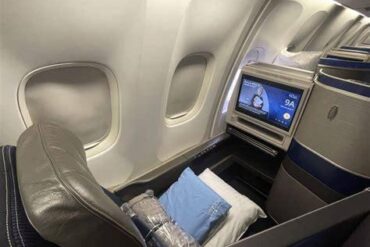
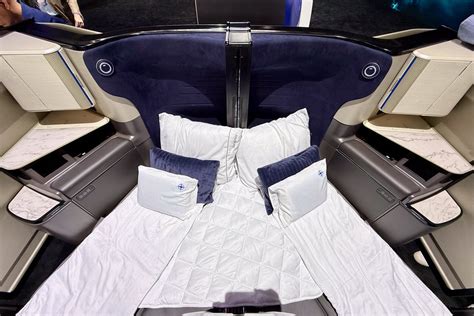
The implications are more significant than they appear at first glance. While all Polaris seats offer direct aisle access, not all are created equal. Some provide greater privacy, better window alignment, or distance from high-traffic areas like galleys and lavatories. For solo travelers, a window pod can transform the experience into a private cocoon. For couples, paired “honeymoon seats” offer a shared space that enhances the journey.
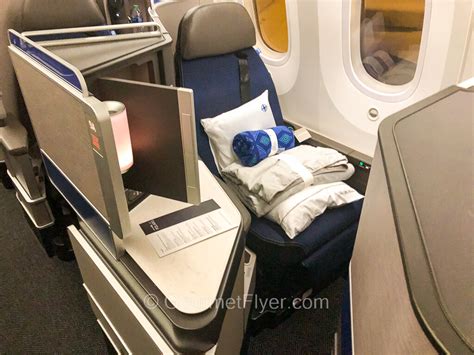
Under the Basic fare, these preferences become part of a secondary pricing layer. The result is a subtle but powerful shift: the headline fare appears lower, but the true cost of replicating a traditional business class experience begins to climb as add-ons accumulate.
This approach mirrors the evolution of basic economy, where initial savings often dissolve once travelers factor in seat selection, baggage, and flexibility. United is effectively applying that same model to its most premium cabin.
Baggage Allowance Cuts Into Long-Haul Convenience
Another defining feature of the Basic Polaris fare is the reduction in checked baggage allowance from two bags to one. While the remaining allowance still permits a generous 70 lbs (31.7 kg), the loss of a second suitcase introduces logistical challenges—especially for long-haul and multi-purpose trips.
Transatlantic travel often blends business and leisure (“bleisure”), requiring passengers to pack both professional attire and casual wear. Destinations such as Madeira, Faro, or Bari further complicate packing needs, where travelers may carry specialized items like resort clothing or event-specific outfits.
With only one included bag, passengers must either consolidate aggressively or pay additional fees, which can quickly erode any savings gained from the lower fare. The psychological impact is just as important: business class has long symbolized effortless travel, and restrictions on baggage introduce friction into what was once a seamless experience.
Interestingly, United has preserved Group 1 boarding priority for Basic Polaris passengers. This ensures early access to overhead bins and maintains a key aspect of the premium boarding experience. However, the removal of priority baggage handling tags means that while passengers board early, they may wait longer at baggage claim—another subtle but noticeable downgrade.
Fare Structure Breakdown: What You Gain and What You Lose
The introduction of Basic Polaris effectively creates a three-tier business class system:
- Basic Polaris (Base): Lower price, fewer inclusions, limited flexibility
- Standard Polaris: Balanced offering with core perks restored
- Flexible Polaris: Full-service experience with maximum flexibility
Key differences reshape the travel experience:
- Seat Selection: Paid or delayed vs. included at booking
- Lounge Access: United Club vs. Polaris Lounge
- Checked Baggage: One bag vs. two bags
- Refundability: Non-refundable vs. flexible options
- Upgrades: Not eligible vs. MileagePlus upgrade access
- Loyalty Earnings: Reduced accrual vs. full credit
This structure allows United to capture multiple customer segments simultaneously, from cost-conscious premium travelers to those seeking a fully curated journey.
MileagePlus Impact: Hidden Costs Beyond the Ticket Price
For frequent flyers, the most significant consequences of Basic Polaris emerge not during the journey, but afterward. The fare introduces reduced loyalty earnings, reshaping how travelers accumulate status and rewards.
Basic Polaris tickets generate fewer redeemable miles and reduced Premier Qualifying Points (PQP), while excluding Premier Qualifying Flights (PQF) entirely. This creates a scenario where passengers may spend thousands of dollars yet fall short of elite status thresholds due to missing flight segments.
Consider a round-trip fare priced at $3,500. Choosing Basic Polaris over Standard could result in a loss of more than 10,000 redeemable miles, significantly diminishing the long-term value of the purchase. For frequent travelers, this transforms the fare into a short-term saving with long-term consequences.
United’s 2026 loyalty overhaul further amplifies this effect by emphasizing revenue-based earning models, where lower-tier fares receive diminished returns. While co-branded credit card holders can offset some losses, the overall structure discourages reliance on Basic Polaris for status progression.
Competitive Pressure and Industry-Wide Transformation
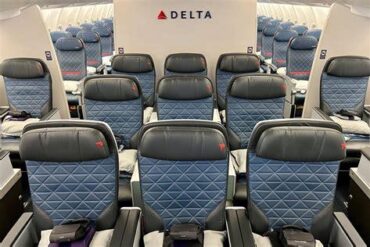
United is not operating in isolation. The launch of Basic Polaris has already triggered a competitive response, with Delta Air Lines preparing its own “Business Basic” product. This signals the beginning of a broader industry transformation where unbundled premium cabins become the norm rather than the exception.
Delta’s approach is expected to push the concept even further, potentially introducing longer seat assignment delays and stricter change policies. This escalation reflects a growing realization among airlines: passengers are willing to trade certain luxuries for lower upfront pricing, even in premium cabins.
European carriers such as Finnair have already demonstrated the viability of this model with their “business light” fares, proving that unbundling can succeed in highly competitive transatlantic markets. United’s adoption of similar strategies allows it to compete more aggressively on price while maintaining premium positioning.
Strategic Route Expansion and Market Positioning
The rollout of Basic Polaris coincides with United’s ambitious expansion into secondary European destinations, including Split, Bari, and Santiago de Compostela. These routes are uniquely suited to the new fare structure, attracting travelers who seek enhanced comfort without committing to full luxury pricing.
Aircraft selection also plays a role. The Boeing 767-300ER, with its relatively large Polaris cabin, benefits from a pricing strategy that can fill seats more efficiently. Meanwhile, routes operated by narrow-body aircraft like the 737 MAX 8 offer a more intimate premium experience, where the value proposition of Basic Polaris may feel more pronounced.
By introducing a lower entry point, United can stimulate demand on routes that might otherwise struggle to sustain high business class fares, effectively broadening the appeal of premium travel.
The Psychological Shift: Paying for Sleep vs. Paying for Experience
At a deeper level, Basic Polaris represents a philosophical shift in how business class is defined. Travelers are no longer purchasing a comprehensive premium journey; they are selecting specific elements of that journey based on personal priorities.
For some, the equation is simple: a lie-flat seat and a quiet cabin justify the ticket price. Lounge dining, seat selection, and baggage flexibility become secondary considerations. For others, these elements are inseparable from the idea of business class, making the stripped-down fare feel incomplete.
This divergence highlights a broader trend in consumer behavior. Modern travelers are increasingly comfortable with à la carte pricing, even in traditionally all-inclusive environments. Airlines are responding by transforming their products into modular experiences, where every feature carries a distinct value.
Conclusion: A Redefined Premium Experience
United Airlines’ Basic Polaris fare is more than a pricing experiment—it is a blueprint for the future of premium travel. By separating core comfort from luxury enhancements, the airline has created a product that is simultaneously more accessible and more complex.
The success of this model will depend on how travelers perceive its value. For those willing to sacrifice certain perks, Basic Polaris offers a strategic gateway into long-haul business class. For others, the cumulative cost of add-ons may reinforce the appeal of traditional, fully bundled fares.
What is clear is that the era of the all-inclusive business class ticket is fading. In its place emerges a more nuanced landscape, where every choice—from seat selection to lounge access—becomes part of a carefully calculated travel strategy.