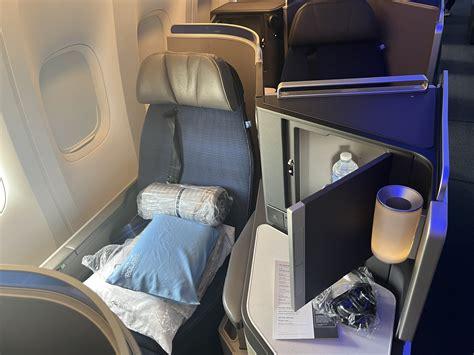
When travelers book a seat in United Airlines’ Polaris business class cabin, they expect a premium experience that extends well beyond a lie-flat seat. Luxury bedding, upscale skincare products, elegant dining, lounge access, and exclusive amenities all combine to create one of the airline’s flagship offerings for long-haul international routes. Yet despite heavily promoting the passenger experience, United Airlines has never publicly revealed exactly how much it spends on these premium touches for each individual traveler.
The absence of official figures has fueled curiosity among aviation enthusiasts and industry analysts alike. While no definitive cost breakdown exists, publicly available information, supplier partnerships, secondary-market valuations, and airline operational practices make it possible to build a realistic estimate of where the carrier’s spending is concentrated and why some amenities cost far less than passengers might assume.
After separating reusable assets from true per-flight expenses, a fascinating picture emerges that reveals the economics behind one of America’s most recognizable premium cabins.
Understanding Why United Does Not Reveal Polaris Amenity Costs
Major airlines rarely disclose detailed procurement expenses for onboard products and services. Financial reports typically group catering, passenger service, and operational costs into broader accounting categories without identifying individual expenses for premium cabins.
United Airlines follows the same practice. Marketing campaigns emphasize partnerships with luxury brands such as Saks Fifth Avenue, Therabody, Sunday Riley, and Perricone MD while highlighting upgraded bedding, elevated meals, and Polaris lounges. Missing from every announcement is any indication of what those features cost the airline itself.
That omission is understandable from a competitive perspective. Procurement contracts are commercially sensitive, supplier agreements remain confidential, and revealing detailed unit costs could weaken negotiating positions with vendors.
Consequently, estimating Polaris spending requires examining publicly observable elements instead of relying on official disclosures.
The Polaris Experience Includes More Than Most Travelers Realize
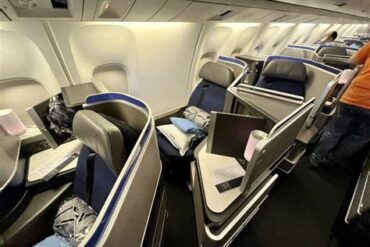
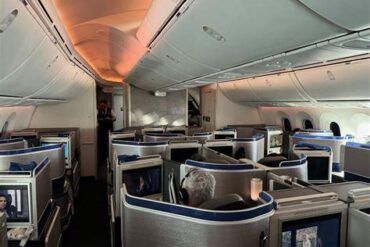
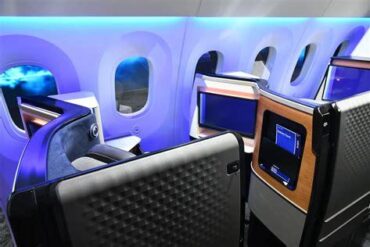
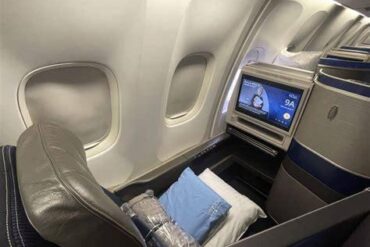
Business class passengers entering a Polaris cabin encounter an unusually comprehensive collection of comfort-focused amenities designed to make flights lasting ten to fifteen hours significantly more enjoyable.
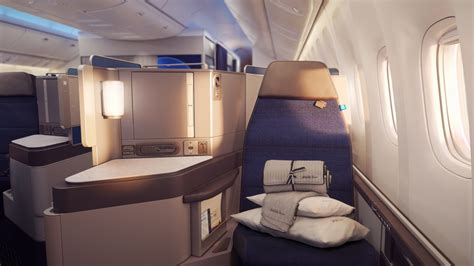
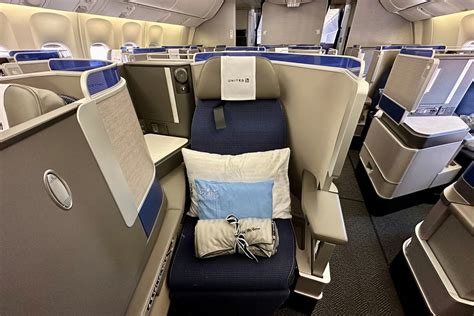
Each passenger receives premium Saks Fifth Avenue bedding that includes a duvet and oversized pillow, while an additional cooling gel pillow further distinguishes the product from competing U.S. airlines.
Mattress pads are available upon request, adding another layer of comfort for overnight flights. Slippers are commonly distributed throughout the international network, while pajamas may be offered on ultra-long-haul routes exceeding fourteen hours.
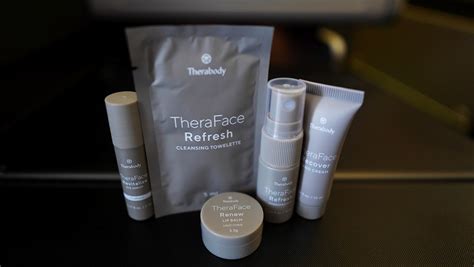
The amenity kit itself has evolved into a substantial package featuring premium skincare products and practical travel necessities housed inside a reusable cross-body bag.
Collectively, these products create an impression of significant spending.
However, appearances can be deceptive.
Reusable Assets Dramatically Reduce Per-Passenger Costs
The single biggest misconception surrounding Polaris economics is treating every onboard product as though it is consumed during one flight.
In reality, many of the most valuable-looking amenities remain airline property and return to service repeatedly.
Pillows are collected after arrival, professionally cleaned, inspected, and redistributed. Duvets follow similar laundering cycles. Mattress pads undergo repeated reuse across numerous long-haul operations.
Although acquiring premium branded bedding requires meaningful investment upfront, those expenses are amortized across hundreds of passenger journeys.
The result is that a blanket retailing for dozens of dollars contributes only a tiny fraction of that amount to the cost of serving any individual traveler.
The recurring expense instead comes from cleaning, transportation, storage, inspection, and eventual replacement after extensive use.
This distinction fundamentally changes how Polaris economics should be understood.
Amenity Kits Offer the Clearest Window Into Spending
Unlike reusable bedding, amenity kits permanently leave the aircraft with passengers.
Because customers keep them, they provide one of the easiest components to estimate.
Current Polaris kits packaged in reusable cross-body bags frequently appear on resale marketplaces for approximately twelve to fourteen dollars. While resale prices do not reflect wholesale procurement costs, they establish an upper reference point.
Large-volume purchasing agreements negotiated directly with suppliers almost certainly reduce United’s actual acquisition price below consumer resale values.
Even after accounting for branded packaging, skincare products, logistics, assembly, and transportation, industry observers generally conclude that the amenity kit represents only a modest share of the total Polaris investment.
Its visibility exceeds its financial significance.
Passengers remember the kit because they carry it home, but operationally it likely costs considerably less than premium onboard dining.
Luxury Partnerships Strengthen Brand Perception More Than They Increase Costs
Associations with respected lifestyle brands provide marketing value extending far beyond the direct cost of supplied products.
Saks Fifth Avenue branding immediately signals luxury. Premium skincare partnerships reinforce exclusivity and modern wellness trends. Therabody contributes additional prestige by aligning the airline with a recognized recovery and health-focused company.
These collaborations elevate passenger perception while simultaneously differentiating Polaris from competitors.
From a procurement perspective, suppliers may also benefit from valuable global exposure among affluent travelers, creating opportunities for mutually beneficial commercial arrangements.
Consequently, brand partnerships may generate more customer value than raw expenditure alone would suggest.
Catering Almost Certainly Represents the Largest Variable Expense
While bedding receives considerable publicity, food and beverage service likely account for the greatest recurring per-passenger cost within Polaris.
Unlike reusable pillows, every meal must be freshly prepared, transported, loaded, served, and replaced on every flight.
International Polaris passengers typically receive multiple courses including appetizers, entrees, desserts, snacks, breakfast or pre-arrival meals, premium wines, Champagne, spirits, and specialty beverages.
Each route introduces different logistical requirements depending on local catering providers, airport infrastructure, and menu customization.
Flights departing major international gateways may source ingredients differently than those leaving smaller stations, producing meaningful cost variation across the network.
These variables make a universal catering figure impossible to establish.
Polaris Studio Raises the Premium Even Further
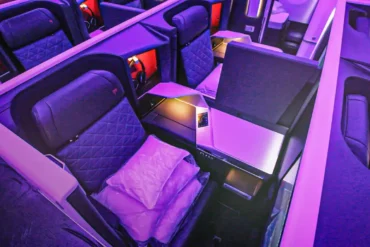
United’s latest Polaris Studio concept demonstrates how premium enhancements can materially change onboard economics.
Certain Studio passengers receive Ossetra caviar amuse-bouche service accompanied by Laurent-Perrier Cuvée Rosé Champagne alongside upgraded amenities and enhanced skincare offerings.
Luxury ingredients such as premium caviar command significantly higher acquisition costs than traditional business-class meals.
Similarly, prestigious Champagne labels increase beverage spending well beyond standard sparkling wine service.
These additions illustrate that not every Polaris passenger generates identical amenity expenses.
The airline effectively operates multiple tiers within its own premium offering, each carrying distinct cost structures.

Lounge Access Represents Significant Hidden Value
The onboard experience begins well before takeoff.
Passengers traveling under eligible fares receive access to Polaris lounges featuring restaurant-quality dining, shower suites, quiet seating areas, premium beverages, and dedicated workspaces.
Although these facilities require enormous capital investment and ongoing staffing expenses, assigning individual passenger costs remains difficult because utilization varies substantially.
Some travelers spend several hours enjoying meals and showers before departure, while others arrive immediately before boarding and barely use available services.
Nevertheless, bundled lounge access represents one of the most valuable components included within qualifying Polaris tickets.
Separate Pricing Reveals Customer Value Rather Than Airline Cost
One useful way to understand Polaris economics involves examining optional upgrades sold by United Airlines.
On selected routes, passengers may pay several hundred dollars more to move into enhanced Polaris Studio accommodations compared with standard Polaris seating.
Similarly, differences between fare bundles that include or exclude Polaris lounge access provide insight into how the airline values incremental improvements when generating additional revenue.
These prices should never be mistaken for operational costs.
Instead, they reflect estimated customer willingness to pay for added exclusivity, privacy, and luxury.
Revenue optimization and procurement economics remain entirely different calculations.
Operational Efficiency Plays a Critical Role
Modern airlines constantly evaluate onboard service to eliminate unnecessary waste without diminishing passenger satisfaction.
Even relatively inexpensive items become financially meaningful when multiplied across thousands of flights every year.
For that reason, United has reportedly experimented with distributing amenity kits selectively rather than automatically placing one at every seat.
Presenting kits on a tray and allowing passengers to accept or decline them enables the airline to measure actual demand.
If even a modest percentage of travelers choose not to take a kit, cumulative savings across the international network could become substantial.
The initiative demonstrates that premium airlines continuously optimize spending despite offering luxury products.
Consumables Drive Recurring Costs While Bedding Builds Perceived Luxury
Separating recurring consumables from reusable equipment provides the clearest framework for understanding Polaris spending.
Recurring costs generally include:
- Premium food and beverages
- Amenity kit contents
- Skincare products
- Slippers
- Pajamas where provided
- Disposable service items
Meanwhile, reusable investments include:
- Saks Fifth Avenue duvets
- Large pillows
- Cooling gel pillows
- Mattress pads
- Cabin furnishings
The first category directly scales with passenger volume, while the second spreads acquisition costs across repeated use.
That distinction explains why visually impressive bedding may contribute surprisingly little to the expense of serving an individual traveler.
Estimating the Real Cost Per Passenger
Without access to supplier contracts, any estimate necessarily involves informed assumptions rather than verified accounting figures.
Still, evidence strongly suggests that catering dominates variable spending, followed by take-home amenity kits and other consumable products.
Reusable bedding likely contributes relatively modest depreciation and laundering expenses despite carrying premium branding.
Lounge operations introduce additional complexity because passenger usage varies considerably between itineraries.
Taken together, the available evidence indicates that the visible luxury of Polaris does not always correspond to proportionally high recurring expenditure. Strategic procurement, large-scale purchasing agreements, asset reuse, and operational optimization allow United Airlines to deliver a premium experience while carefully controlling costs behind the scenes.
Why the Economics Matter for Polaris’ Future
Competition among global airlines continues intensifying as premium travelers demand increasingly sophisticated onboard experiences. Carriers must balance customer expectations with financial discipline, ensuring investments generate measurable returns in loyalty, pricing power, and brand perception.
United Airlines’ approach to Polaris illustrates this balancing act. High-profile partnerships with luxury brands create strong marketing appeal, while reusable bedding minimizes recurring costs and selective amenity distribution reduces unnecessary waste.
The result is a carefully engineered product in which perception, operational efficiency, and customer satisfaction intersect.
Although the airline has never published an official figure for Polaris amenity spending per passenger, available evidence suggests the true economics are more nuanced than many travelers expect. The most eye-catching items are often the least expensive to provide on a recurring basis, while less visible elements such as catering, logistics, and consumable products quietly account for much of the ongoing investment required to deliver one of the United States’ flagship long-haul business class experiences.