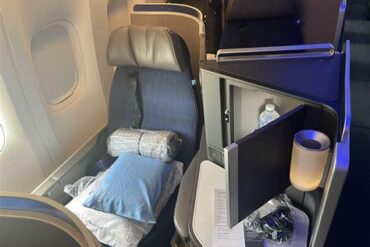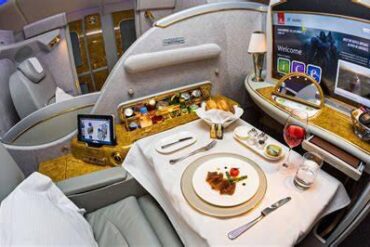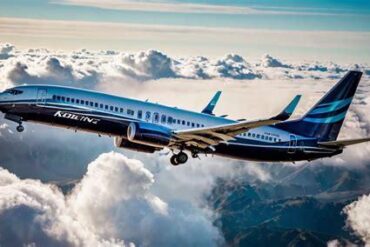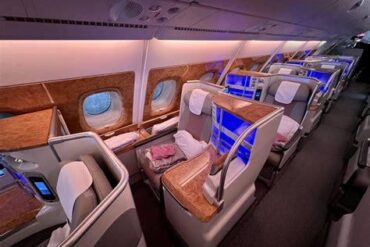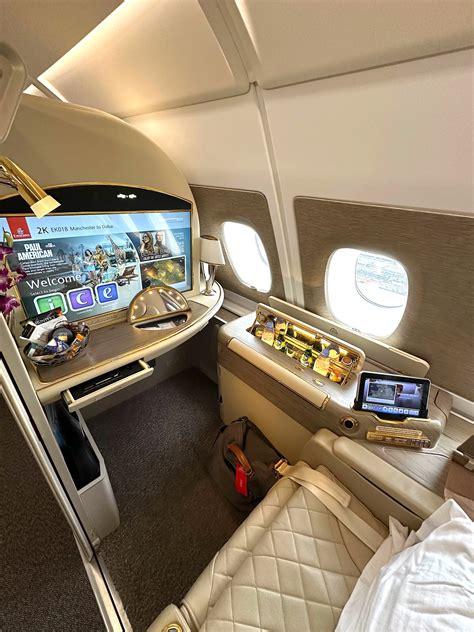
Emirates has spent nearly two decades building one of the most recognizable luxury experiences in global aviation. Inside the airline’s Airbus A380 First Class cabin, passengers encounter sliding private suites, Dom Pérignon Champagne, unlimited caviar service, Bulgari amenity kits, onboard shower spas, and personalized service that resembles a five-star hotel more than a commercial flight. For travelers paying fares that can exceed $15,000 on long-haul routes, the experience feels extravagantly expensive at every stage.
Yet the real economics behind Emirates First Class are far more calculated than most passengers realize. The airline has mastered a business model built around perceived luxury, where presentation, branding, and exclusivity create an experience that appears dramatically more expensive than the actual per-passenger operating cost. The result is a cabin that delivers extraordinary emotional value while remaining surprisingly efficient from a financial perspective.
What passengers perceive as unlimited indulgence is, in reality, a carefully engineered ecosystem of wholesale sourcing, supplier partnerships, premium branding agreements, and large-scale operational efficiency. Emirates is not simply throwing money at luxury. It is strategically converting controlled costs into one of the most aspirational airline products ever created.
The difference between perceived value and actual airline spending reveals how modern premium aviation truly works.
Why Emirates First Class Feels More Expensive Than It Actually Is
The psychological design of Emirates First Class begins long before passengers board the aircraft. High fares themselves contribute to the perception of exclusivity. When travelers see ticket prices reaching $10,000 to $20,000 for a one-way flight between Dubai and destinations such as Los Angeles or New York, the assumption is that every component of the journey must carry extraordinary underlying cost.
That assumption is exactly what premium airlines want customers to believe.
Luxury hospitality industries have long understood that perception often outweighs raw production expense. Emirates applies this principle with remarkable precision. The airline surrounds passengers with globally recognized luxury brands that already carry strong emotional and retail value. Bulgari, Dom Pérignon, Hennessy Paradis, and Voya are not random selections. Each brand instantly signals prestige without Emirates needing to manufacture that prestige itself.
A passenger receiving a Bulgari amenity kit subconsciously associates the airline with luxury retail experiences outside aviation. The retail value of the product becomes psychologically attached to the ticket price, even though Emirates likely acquires those kits at heavily negotiated wholesale rates.
The same principle applies throughout the cabin. Thick bedding, mood lighting, personalized dining, and premium alcohol collectively create an atmosphere of abundance. Individually, many of these items are not especially expensive for the airline. Combined together inside an exclusive environment, however, they create a perception of extraordinary value.
That emotional engineering is one of Emirates’ greatest competitive strengths.
The Real Cost Of Emirates A380 First Class Catering
From the passenger perspective, Emirates First Class dining appears outrageously expensive. Travelers can order caviar multiple times during a flight, enjoy multi-course meals on demand, sample premium wines, and drink Champagne that often retails for hundreds of dollars per bottle on the ground.
On ultra-long-haul flights like Dubai to Los Angeles, the onboard menu resembles a luxury restaurant operating at 40,000 feet.
But airline catering economics operate very differently from retail hospitality pricing.
Industry estimates suggest Emirates spends roughly $30 or slightly more per First Class passenger on catering, even during flights lasting over 16 hours. That figure includes food preparation, alcohol provisioning, loading logistics, and onboard service support. While the number may sound surprisingly low, the economics become clearer when examining how airlines purchase products at scale.
Emirates operates one of the world’s largest long-haul fleets and serves millions of premium passengers annually. That purchasing power gives the airline enormous leverage when negotiating supplier contracts. Food suppliers, beverage companies, and luxury alcohol brands all compete for placement onboard because Emirates provides global visibility to affluent travelers.
The airline effectively functions as a marketing platform for luxury brands.
A Champagne house benefits enormously from being associated with Emirates First Class because passengers perceive the onboard experience as elite and aspirational. That branding value allows Emirates to secure pricing dramatically below retail levels.
The same dynamic applies to caviar and premium spirits. Retail pricing seen by consumers in restaurants or liquor stores bears little resemblance to airline procurement costs negotiated through wholesale agreements.
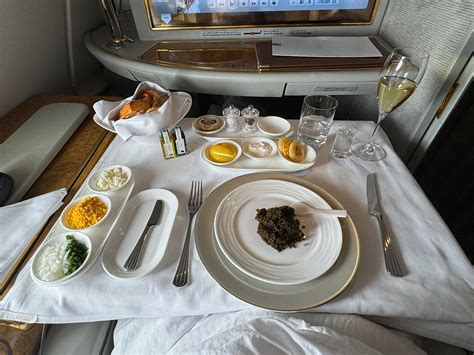
How Emirates Turns $30 Into A $1,000 Dining Experience
The brilliance of Emirates’ premium strategy lies in presentation rather than raw spending.
Passengers do not evaluate luxury experiences purely by ingredient cost. They evaluate them emotionally. A carefully plated caviar service delivered on fine tableware inside a private suite feels exclusive regardless of the airline’s underlying procurement expense.
Timing also matters enormously. Emirates allows First Class passengers to dine on demand rather than following rigid meal schedules. This creates a feeling of personalization and abundance that traditional airline service often lacks.
The airline also uses sensory design exceptionally well. Warm lighting, polished glassware, elegant menus, and attentive crew interactions elevate relatively controlled costs into something that feels luxurious.
Even the ritual of opening Champagne contributes to perceived value. Passengers are not simply consuming alcohol. They are participating in an experience designed around status, exclusivity, and indulgence.
This distinction explains why premium aviation economics differ radically from passenger assumptions. The emotional impact of luxury frequently costs less to create than consumers imagine.
The Surprisingly Low Cost Of Luxury Amenity Kits
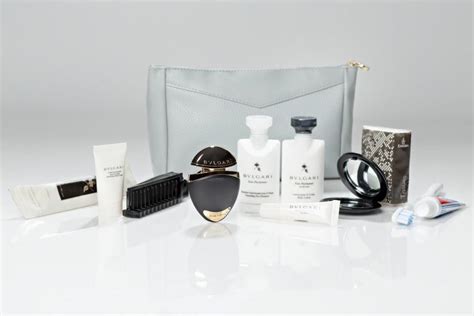
One of the most iconic Emirates First Class features is the Bulgari amenity kit. The kits contain designer fragrances, skincare products, mirrors, travel accessories, and premium packaging that strongly reinforce the airline’s luxury identity.
At retail, these products can appear incredibly expensive. Passengers often estimate the kits alone to be worth well over $100. Combined with hydra-active pajamas, Voya spa products, notebooks, slippers, and other cabin extras, the total perceived value quickly climbs into several hundred dollars per traveler.
But wholesale economics tell a completely different story.
Luxury brands actively seek partnerships with airlines like Emirates because premium cabins deliver direct exposure to wealthy international travelers. A passenger using Bulgari products during a long-haul journey becomes a potential future retail customer. That marketing opportunity significantly reduces the actual cost airlines pay for branded products.
In many cases, airlines are not simply buying products. They are participating in co-branded promotional relationships.
This allows Emirates to create a luxury environment filled with recognizable premium products while spending far less than passengers assume. The airline benefits from scale, while partner brands benefit from association with one of the world’s most famous premium cabins.
The result is a mutually beneficial ecosystem where branding power becomes more important than raw operational cost.
Why The Airbus A380 Makes Emirates First Class Possible
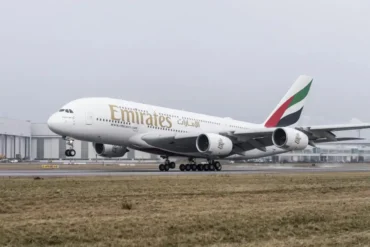
The Airbus A380 itself plays a major role in Emirates’ First Class economics. The aircraft’s massive size allows the airline to spread operating costs across hundreds of passengers while still dedicating significant space to premium cabins.
An Emirates A380 can carry nearly 500 travelers depending on configuration. Even though First Class occupies valuable real estate at the front of the aircraft, Economy and Business Class generate enormous additional revenue that helps support the overall route economics.
Cargo revenue also contributes significantly.
Flights between Dubai and major global hubs transport substantial volumes of high-value cargo beneath the passenger cabin. This means Emirates is not relying solely on passenger fares to make long-haul A380 operations profitable.
The airline’s hub-and-spoke network amplifies these efficiencies even further. Dubai functions as a global connecting point linking Europe, Asia, North America, Africa, and Australia. That network density allows Emirates to consistently fill premium cabins with international connecting passengers from multiple regions.
As a result, First Class does not need every passenger to pay full retail fares in order to remain financially viable.
The Hidden Power Of Emirates Skywards Upgrades
One of the most misunderstood aspects of Emirates First Class is how many passengers actually access the cabin through upgrades rather than full-fare tickets.
The airline has built a highly flexible upgrade ecosystem around its Skywards loyalty program. Travelers frequently move from Business Class into First Class using miles, cash offers, or last-minute upgrade opportunities before departure.
At first glance, this might appear financially inefficient. In reality, it is strategically brilliant.
An unsold First Class seat generates zero additional revenue once the aircraft departs. By allowing upgrades, Emirates monetizes inventory that might otherwise remain empty while preserving the public perception that First Class commands extremely high fares.
Passengers who secure upgrades often feel they have received extraordinary value, which strengthens customer loyalty and brand attachment. Meanwhile, Emirates still benefits from the premium pricing originally paid for the Business Class ticket plus any upgrade revenue collected afterward.
This strategy allows the airline to maintain the illusion of ultra-exclusivity while maximizing cabin occupancy and yield efficiency behind the scenes.
The Shower Spa Effect And Luxury Perception
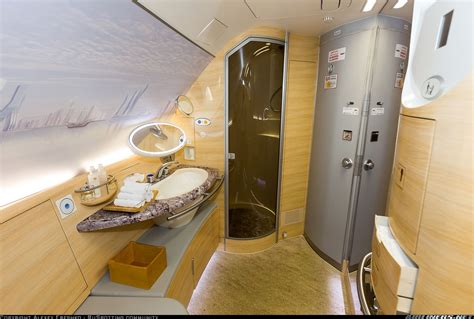
Perhaps no feature symbolizes Emirates First Class more than the onboard shower spa aboard the Airbus A380. From a branding perspective, the showers are priceless.
Very few passengers actually choose Emirates specifically because they need a shower at 40,000 feet. What the feature truly provides is symbolic prestige. It reinforces the idea that Emirates operates beyond the boundaries of normal commercial aviation.
That symbolism matters enormously in luxury branding.
The shower spa generates headlines, social media exposure, YouTube reviews, and aspirational travel content that continuously markets the airline worldwide. The publicity value alone likely outweighs the direct operational expense associated with maintaining the feature.
In this sense, the showers function less as a practical amenity and more as a global advertising tool embedded directly into the aircraft cabin.
Passengers remember the experience because it feels impossible, extravagant, and uniquely memorable. That emotional reaction strengthens Emirates’ luxury identity far more effectively than traditional advertising campaigns alone ever could.
How Emirates Uses Scarcity To Justify Five-Figure Ticket Prices
Scarcity remains one of the most powerful forces in luxury marketing, and Emirates applies it masterfully within First Class.
The Airbus A380 typically contains only a small number of First Class suites relative to the aircraft’s total passenger capacity. Limited availability creates psychological desirability. Passengers perceive the cabin as elite precisely because so few travelers can access it.
The airline carefully protects that perception through pricing, availability management, and branding consistency.
Even when upgrades become available, Emirates avoids flooding the cabin with discounted access that could dilute its exclusivity. Maintaining prestige is essential because the emotional value of First Class depends heavily on rarity.
Luxury consumers are often paying not simply for products or services, but for social signaling and emotional distinction. Emirates understands this dynamic exceptionally well.
The airline is selling status as much as transportation.
The True Economics Behind Emirates A380 Luxury
Operating an Airbus A380 across ultra-long-haul routes remains enormously expensive. Fuel costs alone can exceed $190,000 on flights such as Dubai to Los Angeles. Maintenance, crew salaries, airport fees, aircraft financing, and catering add substantially to the total operating bill.
Yet Emirates continues to make the economics work because its business model revolves around scale, efficiency, and premium yield optimization.
First Class itself represents only one piece of a much larger revenue system. Business Class contributes heavily to profitability, Economy provides passenger volume, and cargo operations add additional financial strength beneath the passenger deck.
Within that ecosystem, First Class functions partly as a revenue generator and partly as a global marketing instrument.
The cabin elevates the entire Emirates brand. Travelers booking Economy or Business Class still associate the airline with luxury because the halo effect of First Class extends across the entire company image.
That branding power helps Emirates command stronger pricing throughout its network.
In the end, the most remarkable aspect of Emirates Airbus A380 First Class is not how much the airline spends per passenger. It is how effectively Emirates transforms relatively controlled costs into one of the most aspirational travel experiences ever created in commercial aviation.