The Department of Homeland Security (DHS) has come under sharp scrutiny following revelations that it authorized the purchase of two high-end Gulfstream G700 private jets, totaling more than $172 million, for use by Secretary Kristi Noem and other senior officials. The acquisition, conducted via the Coast Guard’s budget, has triggered a wave of criticism from lawmakers, watchdogs, and budget analysts, raising pressing questions about government priorities, procurement ethics, and fiscal responsibility during a time of political volatility and federal belt-tightening.

A Stunning Expenditure in the Face of Fiscal Restraint
According to public procurement documents, the DHS inked a contract with Gulfstream Aerospace to purchase two used G700 aircraft, a model widely advertised as boasting “the most spacious cabin in the industry”. These aircraft are prized for their luxury configurations, intercontinental range, and elite status among corporate fleets. The total expenditure of $172 million represents a sharp uptick from earlier DHS budget proposals.
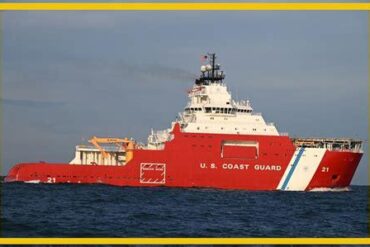
Initially, the U.S. Coast Guard, which operates under DHS, requested funding for one Gulfstream V jet priced at approximately $50 million. The justification? The current aging fleet, particularly the aircraft designated for leadership travel, suffers from obsolete avionics and unreliable communications systems. At a May 2025 Congressional hearing, Acting Commandant Kevin Lunday emphasized the operational need to modernize this asset, citing safety, reliability, and logistical efficiency.
Yet, what began as a request for a single replacement evolved into an eye-popping two-jet acquisition deal. Where the additional funds came from remains unclear.
Justified as ‘A Matter of Safety’—But Critics See Extravagance
In an emailed statement, DHS officials characterized the jet purchase as essential for safety, arguing the existing aircraft is over 20 years old and beyond typical operational hours for such a corporate plane. But this justification failed to quell concerns—particularly since Secretary Noem herself implemented a department-wide mandate requiring her approval of any expense over $100,000.
Now, her critics accuse her of hypocrisy.
Two senior Democratic lawmakers, Rosa DeLauro of Connecticut and Lauren Underwood of Illinois, penned a letter to Noem demanding transparency and accountability. They lambasted the procurement as appearing “to vary on a whim,” and accused the DHS of prioritizing Noem’s personal comfort over the Coast Guard’s mission-critical needs. Their letter, reviewed by The New York Times, questioned why a second aircraft was added without prior notice or justification.
Government Shutdowns, Personal Perks, and Questionable Priorities
The timing of the procurement could not be more controversial. The purchase occurred during a federal government shutdown, a period when thousands of federal employees faced furloughs and pay disruptions. Noem attempted to deflect criticism by stating she was tapping into a $2.3 billion allocation—part of a $25 billion Republican-backed funding bill for the Coast Guard—to ensure service members didn’t miss paychecks. But critics argue that the discretionary repurposing of funds toward luxury jets undercuts her stated priorities.

Adding to the controversy is Noem’s personal use of government assets. Earlier this year, The Washington Post reported that she resided rent-free in the waterfront home designated for the Coast Guard’s commandant. She also made frequent use of the Coast Guard’s private jet for travel that allegedly included personal engagements. While DHS later claimed she reimbursed the government “tens of thousands of dollars” for those trips, questions about her interpretation of ethics and oversight persist.
A department spokesperson defended Noem’s residency at the commandant’s home, citing security threats. Still, critics argue that such arrangements represent a broader pattern of self-serving decision-making under the guise of safety.
Lavish Spending and Political Optics
The optics of this acquisition—luxury jets, a rent-free waterfront mansion, and a budget overseen with an allegedly iron-fisted approach—paint a portrait of a public official increasingly disconnected from the austerity facing everyday Americans and government employees alike.
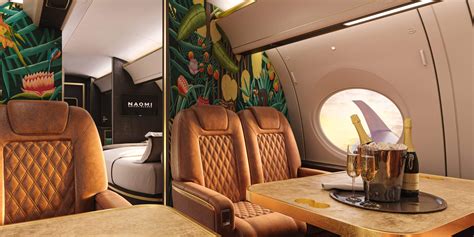
For a department tasked with homeland security and emergency response, spending nine figures on aircraft normally associated with billionaires and CEOs raises real alarm. The Gulfstream G700, which boasts ultra-long range capabilities, custom seating for up to 19 passengers, and full connectivity suites, is not your typical government workhorse. It is a plane built for luxury, not just utility.
While modernizing aging government fleets can be a legitimate objective, the scale, timing, and secrecy surrounding this transaction have led watchdogs to call for a full audit of DHS discretionary procurement strategies.
Political Fallout and Bipartisan Backlash Brewing
Although Democrats have been most vocal in their outrage, signs point to bipartisan discomfort over the DHS’s decision. A handful of Republican lawmakers, wary of electoral backlash and internal party optics, have also expressed unease over the perceived misuse of taxpayer funds.
As public reaction swells, multiple oversight committees are now considering hearings to question the justifications for the aircraft and demand greater visibility into DHS spending decisions. Some are calling for legislation that would limit or clarify the executive discretion over multi-million-dollar purchases within the agency.
Meanwhile, transparency advocates are emphasizing the need for a publicly accessible audit trail for procurement decisions exceeding fixed dollar thresholds, arguing that the G700 deal exemplifies what happens when power is consolidated without adequate checks.
An Aircraft Fit for Royalty—or a Federal Agency?
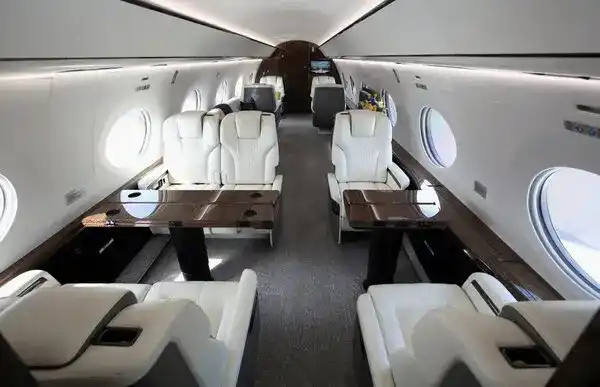
For context, the Gulfstream G700 is a plane marketed primarily to Fortune 500 executives and foreign dignitaries. Its cabin features include ultra-lux leather interiors, multiple living zones, lie-flat seating, panoramic oval windows, and advanced noise suppression systems. Each unit’s price tag can exceed $80 million, depending on configuration.
Beyond comfort, the aircraft includes military-grade communication systems, making it suitable for secure governmental use—if genuinely necessary for operations. But as procurement documents show, both jets are marked as “used”, making their high cost even more notable. There’s been no detailed disclosure about their flight hours, maintenance history, or specific upgrades that might explain the hefty bill.
Public Trust, Eroding Fast
At its core, this story is not just about luxury jets. It’s about government trust, accountability, and ethical stewardship of public resources. When a leader imposes spending caps on subordinates, yet signs off on $172 million luxury jet acquisitions for their own department, credibility crumbles.
In an age of mounting debt ceilings, cost-of-living crises, and growing public cynicism toward elected officials, stories like this one only deepen the chasm between public servants and the constituents they serve.
The outcome of ongoing congressional investigations and potential hearings will determine if the aircraft remain in DHS’s fleet, if funding is clawed back, or if Secretary Noem herself faces deeper political consequences.
In the meantime, both jets are expected to enter DHS service within the fiscal year—unless halted by legislative intervention. And until more answers surface about where the money came from and who approved what, the skies over Washington remain stormy.