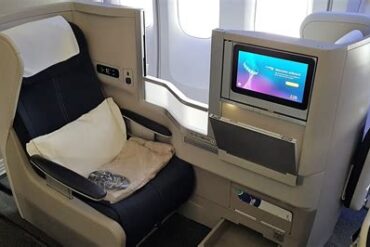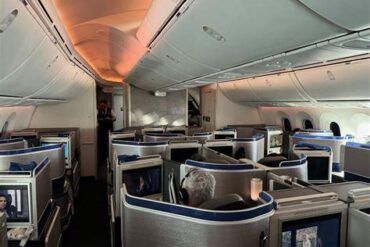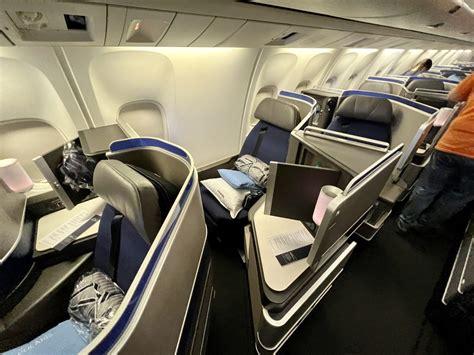
A passenger’s disappointing experience aboard a United Airlines long-haul flight has sparked renewed discussion about airline compensation policies, premium cabin reliability, and passenger rights after a malfunctioning business class seat turned a luxury journey into a 14-hour ordeal.
Traveling from San Francisco International Airport to Beijing Capital International Airport, Cathy purchased two United Polaris business class tickets at a cost of $7,388 each, expecting the comfort and service associated with one of the airline’s flagship premium products. Instead, she found herself spending nearly the entire transpacific flight confined to a fully reclined seat that could not be returned to an upright position.
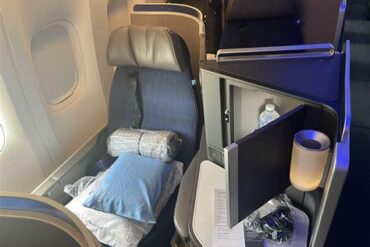
The incident occurred shortly after the aircraft reached cruising altitude. As many long-haul business class travelers do, Cathy attempted to recline her seat into its lie-flat mode to rest during the approximately 14-hour journey. What should have been a routine adjustment quickly became a serious problem when the seat controls failed to respond.
According to her account, a flight attendant was called to investigate the malfunction. Rather than expressing surprise, the crew member reportedly explained that the seat buttons did not work consistently and that such issues were not uncommon. Attempts were then made to manually manipulate the seat’s position.
The intervention succeeded in moving the seat into a fully flat configuration, but it created an even larger problem. Once reclined, the seat became completely stuck. More concerning was the fact that the seat belt became inaccessible after the manual adjustment, leaving Cathy unable to properly secure herself during much of the flight.
For a passenger occupying one of the most expensive seats on the aircraft, the experience quickly shifted from inconvenience to genuine discomfort and concern.
By that point, the Boeing 777-200ER operating the route was fully occupied. No alternative seats were available in the Polaris cabin, Premium Plus section, or economy class. As a result, there was nowhere for Cathy to relocate while the issue remained unresolved.
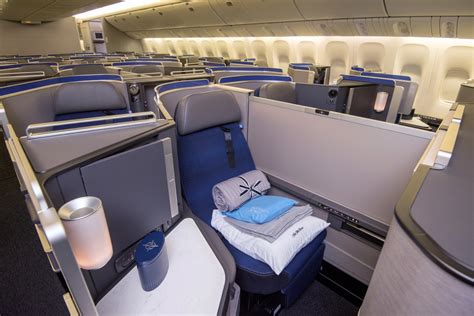
The situation became especially troubling during periods of turbulence. Standard airline safety procedures require passengers to fasten their seat belts whenever instructed by the crew. However, because the belt was trapped beneath the malfunctioning seat structure, Cathy reportedly could not comply with those instructions for most of the journey.
She later claimed that concerns regarding the inaccessible seat belt were largely dismissed, leaving her with few options other than remaining horizontal for the duration of the flight. What was marketed as a premium travel experience instead became an uncomfortable exercise in endurance.
While lie-flat seats are one of the primary selling points of modern international business class products, they are designed to offer passengers flexibility and control over their seating position. Being forced to remain flat for nearly 14 consecutive hours is far from the intended experience and can create significant discomfort during meals, entertainment viewing, and normal cabin activities.
The problem persisted until the aircraft began preparing for arrival in Beijing. Before landing, two flight attendants reportedly managed to force the seat back into its upright position. Only then was the seat belt accessible again, allowing the passenger to comply with landing safety requirements.
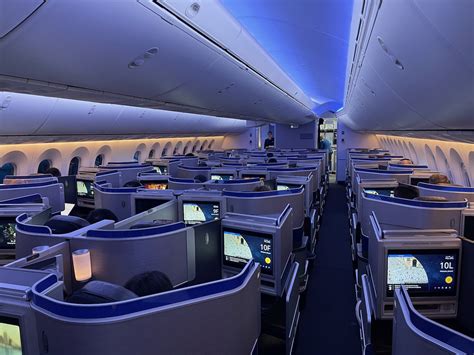
Following the trip, Cathy contacted United Airlines seeking compensation for what she viewed as a substantial failure of the airline’s premium product. Given the ticket price and the severity of the malfunction, she believed a meaningful remedy was justified.
The airline’s initial response reportedly consisted of a $150 travel voucher. Unsatisfied with the offer, Cathy requested compensation closer to the value of the experience she felt had been lost. Specifically, she sought 250,000 frequent flyer miles, a figure estimated to be worth approximately $3,000 depending on redemption methods.
United subsequently increased its offer. The revised compensation package included a $350 travel voucher, along with the original $150 voucher and an additional $150 voucher associated with her daughter’s travel. Even so, the total value remained far below what the passenger believed was appropriate considering the circumstances.
The case highlights the complex reality of airline compensation policies. While passengers often expect substantial reimbursement when premium services fail, regulatory requirements can be surprisingly limited. Had an economy seat been available and Cathy been moved to a lower cabin, federal regulations would likely have entitled her to compensation based on the fare difference between the classes. Because she technically remained in the business class cabin throughout the flight, the situation entered a less clearly defined territory.
United’s San Francisco-to-Beijing service is typically operated by a Boeing 777-200ER configured with 50 Polaris seats, 24 Premium Plus seats, 46 Economy Plus seats, and 156 standard economy seats. These aircraft are designed for ultra-long-haul international routes and feature personal entertainment systems, power outlets, USB connectivity, and onboard Wi-Fi.
For airlines competing in the premium travel market, consistency is often as important as luxury itself. Passengers paying thousands of dollars for a business class ticket are not simply purchasing transportation; they are paying for reliability, comfort, and service standards that justify the premium fare.
In this case, a malfunctioning seat transformed a flagship business class experience into a highly publicized customer service dispute. While United reportedly indicated that future goodwill gestures may be considered, the story serves as a reminder that even the most sophisticated airline cabins remain vulnerable to technical failures—and that passenger expectations rise dramatically when ticket prices approach five figures.