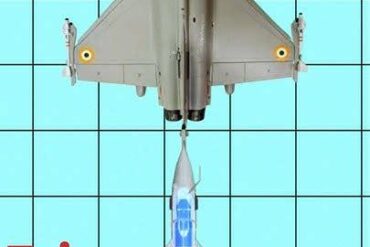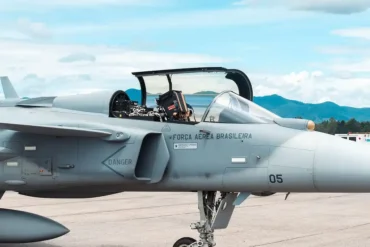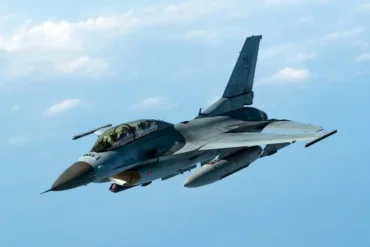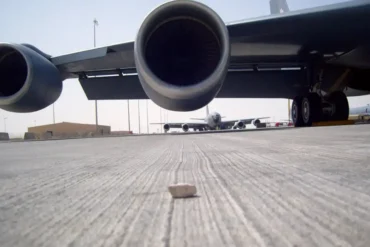
Modern fighter jets represent the pinnacle of military aviation technology, integrating cutting-edge weaponry, supersonic flight capabilities, and advanced materials. However, beneath the complex systems of radar, avionics, and stealth coatings lies a small yet critical engineering decision that often goes unnoticed by the public—the management of spent shell casings. Unlike historical aircraft that jettisoned these casings mid-flight, today’s advanced fighters meticulously collect them onboard. This practice is far more than a logistical choice; it reflects the evolving demands of aerial combat, aircraft performance, and flight safety.
The Historical Practice of Ejecting Shell Casings
In earlier generations of combat aircraft, such as the iconic P-51 Mustang, spent shell casings were unceremoniously ejected during firing. The Mustang, equipped with six .50 caliber Browning machine guns, saw extensive use during World War II, where vast quantities of brass casings rained down over battlefields across Europe and the Pacific. At the time, ejecting casings posed no significant risk. Aircraft operated at subsonic speeds, aerodynamic forces were relatively mild, and concerns like foreign object debris (FOD) were virtually nonexistent at cruising altitudes.
Ejecting casings simplified gun design and saved weight, a critical factor for wartime aircraft. Moreover, the recovery and recycling of brass casings, while beneficial on the ground, were of little concern in the heat of combat. However, aviation has evolved dramatically since those days, and modern jets operate under entirely different constraints.
Supersonic Flight and the FOD Threat
Today’s fighter aircraft, including the F-22 Raptor, F-35 Lightning II, and Eurofighter Typhoon, are capable of sustained supersonic speeds, often exceeding Mach 1.5. At such velocities, even small debris poses a catastrophic threat to aircraft integrity. Ejected shell casings, if caught in turbulent airflow, can re-enter engine intakes, damage sensitive control surfaces, or impact other critical systems. The aviation industry refers to this phenomenon as Foreign Object Debris (FOD)—one of the most significant hazards to aircraft operation.
Unlike the propeller-driven aircraft of WWII, modern jet engines generate immense suction, especially during high-performance maneuvers. Even a single brass casing ingested into an engine could lead to catastrophic failure, jeopardizing not only the mission but also the pilot’s life. Thus, retaining shell casings onboard mitigates this risk entirely.
Advanced Ammunition Handling Systems
To address these challenges, contemporary fighter jets incorporate linear linkless ammunition handling systems. Unlike traditional belt-fed guns seen in infantry or older aircraft, these systems deliver rounds rapidly and efficiently while also managing spent casings. The term “linkless” refers to the absence of metal links connecting individual rounds, a design choice that reduces weight, minimizes debris, and simplifies logistics.
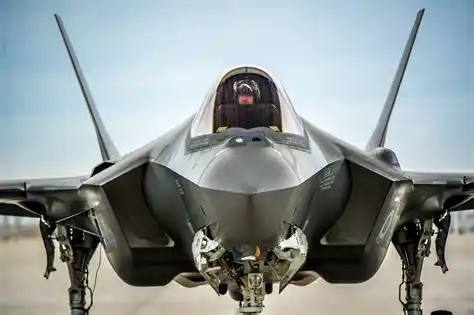
Take, for instance, the F-35A Lightning II, equipped with the GAU-22/A, a formidable four-barrel 25mm cannon capable of firing up to 3,300 rounds per minute. Though the aircraft carries a modest 180 rounds, enough for mere seconds of sustained fire, the engineering behind ammunition storage and retrieval is remarkably sophisticated. Once a round is fired, its spent casing travels through an internal retrieval system, returning to a designated storage compartment within the aircraft.
This design ensures zero ejection of casings, preserving the aircraft’s aerodynamic profile and preventing any destabilizing effects mid-flight. The internal collection system exemplifies the meticulous engineering required to integrate traditional ballistic weaponry into next-generation aircraft.
Lessons from the A-10 Thunderbolt II
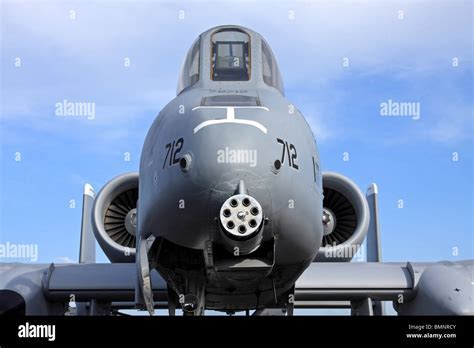
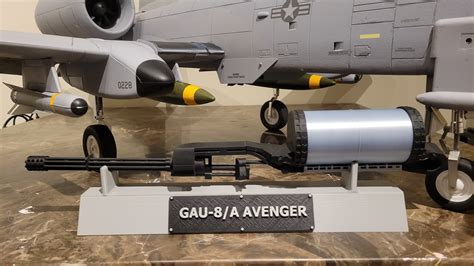
No discussion of onboard shell casing retention would be complete without examining the legendary A-10 Thunderbolt II, affectionately known as the “Warthog.” This aircraft is renowned for its GAU-8/A Avenger cannon, a 30mm rotary cannon capable of delivering a devastating 4,200 rounds per minute. Designed primarily for close air support, the A-10’s cannon is so large that the aircraft was essentially built around it.
When the A-10 fires its cannon, not only are projectiles expelled with immense force, but the brass casings are routed back into the aircraft’s storage system. Interestingly, the rationale here extends beyond FOD prevention—the spent casings serve as critical ballast, maintaining the aircraft’s center of gravity. Without retaining the heavy brass casings, the Warthog’s flight stability would be compromised, particularly after expending hundreds of rounds during low-altitude strafing runs.
The Minimal Role of Cannons in Modern Air Combat
While contemporary fighters retain cannons, they occupy a far more limited role in aerial warfare compared to previous eras. Air combat has transitioned from visual dogfights to engagements conducted beyond visual range (BVR). Missiles guided by radar, infrared, or satellite systems strike adversaries long before pilots see one another.
Despite this shift, cannons remain essential for select scenarios, such as:
- Close-range dogfights where missile engagement is impractical
- Ground attack missions requiring precision strafing
- Situations demanding controlled fire to minimize collateral damage
Given their occasional yet vital use, integrating effective ammunition handling systems ensures reliability without sacrificing aircraft safety or performance. Even though pilots rarely pull the trigger on their cannons, when they do, every aspect—from round delivery to casing retention—operates with precision.
Engineering Efficiency and Aircraft Stability
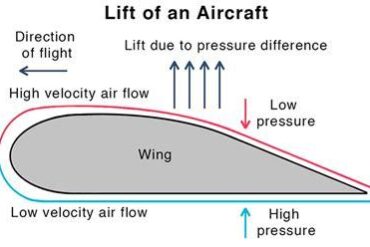
One less obvious advantage of retaining spent shell casings lies in maintaining consistent aircraft weight and balance. High-performance jets rely on finely tuned weight distribution to ensure aerodynamic stability during rapid maneuvers, high-G turns, and supersonic flight. Ejecting hundreds of casings would incrementally alter an aircraft’s center of mass, potentially degrading handling characteristics at critical moments.
Moreover, spent brass casings carry considerable mass. For example, the 25mm shells used by the F-35A’s GAU-22/A may weigh several pounds collectively. Abruptly losing that weight asymmetrically during flight risks destabilization—an unacceptable compromise for missions requiring absolute precision.
By storing casings onboard, engineers sidestep this challenge entirely, preserving flight dynamics and ensuring predictable handling from takeoff to landing.
Looking Ahead: Future Combat and Internal Ammunition Systems
The trend toward internal casing retention reflects broader themes in aerospace engineering:
- Reducing external vulnerabilities
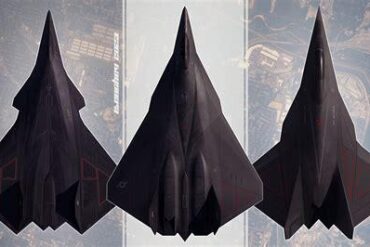
- Minimizing radar signatures (essential for stealth aircraft)
- Enhancing system reliability
With ongoing advancements in directed energy weapons, hypersonic munitions, and next-generation aircraft, traditional ballistic cannons may gradually see further reduction in operational roles. However, as long as guns remain aboard fighters, the management of spent casings will continue to reflect the intricate intersection of aerodynamics, engineering precision, and battlefield necessity.
In essence, the absence of ejecting brass from modern fighters symbolizes more than a technical tweak—it embodies the relentless pursuit of performance, safety, and strategic advantage that defines contemporary air superiority.