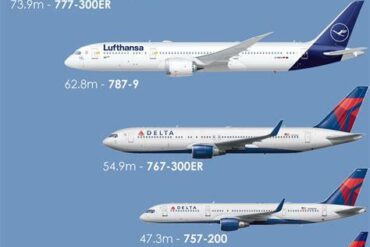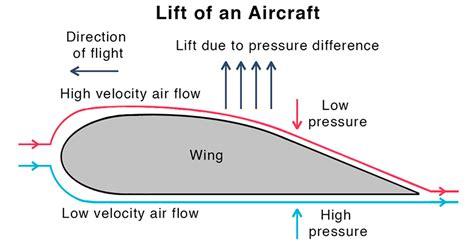
Commercial aviation has always been fascinated with speed. From the earliest piston-powered airplanes to modern jetliners and ambitious supersonic projects, engineers have consistently pushed the limits of how fast humans can travel through the air. Faster aircraft promise shorter journeys, greater connectivity between continents, and the thrilling sense that the world is becoming smaller. On paper, the concept seems perfectly logical: if an aircraft travels faster, passengers should arrive earlier.
Yet the reality of modern air travel tells a different story. In practice, faster aircraft do not always result in faster journeys. The total time a traveler spends getting from one destination to another is shaped by a complex network of operational factors that extend far beyond an aircraft’s cruising speed. Air traffic control constraints, airport congestion, atmospheric conditions, infrastructure limitations, and economic considerations all influence how long a trip truly takes.
This reality explains why many modern airliners prioritize efficiency, reliability, and operating economics rather than simply chasing higher cruise speeds. Even supersonic aircraft—machines capable of cutting flight times dramatically—have faced practical limitations that reduce their real-world advantages.
Understanding why faster aircraft do not always save time requires examining aviation from a broader perspective. The journey begins long before takeoff and often continues well after landing, and the aircraft’s speed during cruise is only one component of a much larger system.
Cruise Speed vs. Real Travel Time
One of the most important distinctions in aviation lies between cruise speed and door-to-door travel time. Aircraft manufacturers frequently advertise impressive cruise speeds because they represent measurable engineering achievements. However, the experience of air travel involves far more than the time spent flying between two points.
A typical journey begins hours before the aircraft leaves the ground. Passengers must arrive at the airport early to complete check-in procedures, security screening, passport control for international flights, and boarding. These processes can take considerable time, especially at large international hubs where thousands of passengers move through terminals simultaneously.
Once aboard the aircraft, the journey still has not truly begun. Airliners often spend long periods taxiing across complex airport layouts, waiting for clearance from air traffic control, or joining departure queues behind other flights. During peak periods, aircraft may wait 20 minutes or more before reaching the runway.
Major hubs such as Los Angeles International Airport (LAX) and Hartsfield-Jackson Atlanta International Airport (ATL) illustrate how congestion can slow operations even before an aircraft becomes airborne. These airports handle hundreds of flights each day, requiring carefully managed sequencing that prevents traffic conflicts but inevitably increases delays.
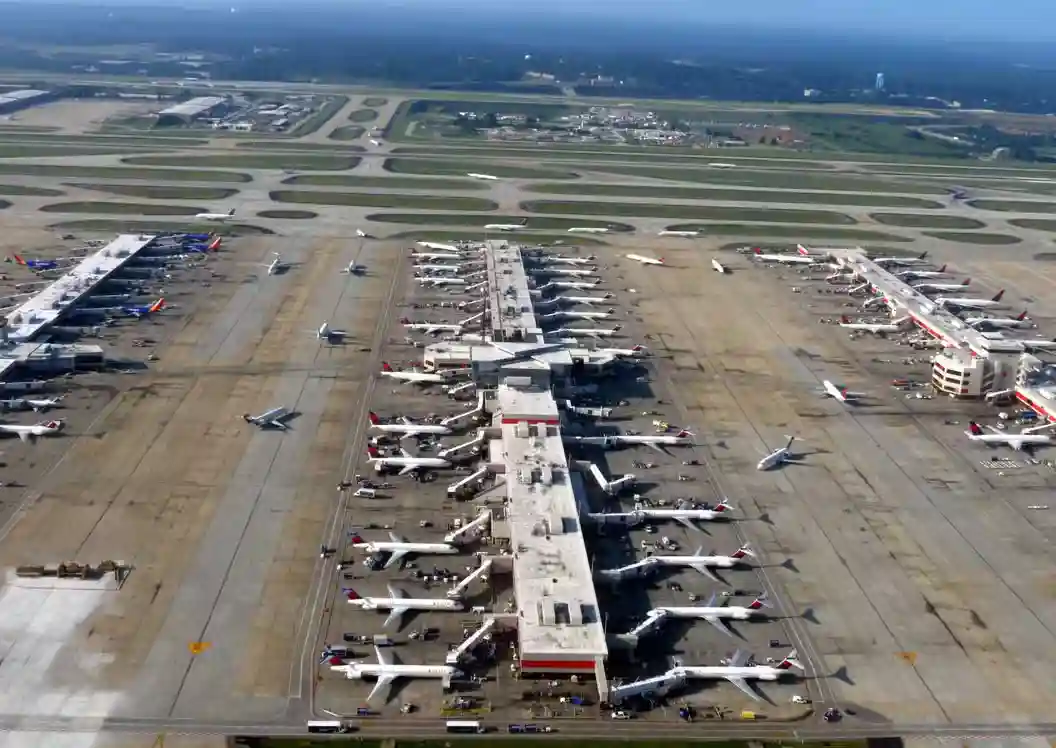
After landing, the process unfolds in reverse. Aircraft must taxi to an available gate, passengers disembark, baggage is unloaded, and travelers navigate through terminals to collect their luggage. These ground operations often add 30 to 60 minutes to the overall journey.
Because these procedures consume so much time, a faster aircraft that saves half an hour in the air might only reduce the total trip duration by a small percentage. On shorter routes especially, the airborne portion of the trip represents only a fraction of the total travel experience.
Air Traffic Control and the Reality of Indirect Routing
Even after an aircraft departs, its speed advantage can quickly diminish due to the complex structure of global air traffic control systems. Modern airspace is carefully organized to ensure safety, maintain predictable traffic flows, and manage the enormous volume of flights operating simultaneously around the world.
Aircraft rarely fly along the perfectly straight line between two cities known as the great-circle route. Instead, they follow predefined airways that resemble invisible highways in the sky. These routes ensure safe separation between aircraft and simplify navigation, but they often increase the total distance flown.
Air traffic controllers also assign aircraft specific altitudes and headings to prevent conflicts. Flights may need to alter their paths to avoid restricted military zones, politically sensitive airspace, or severe weather systems. Each adjustment can lengthen the route and reduce the benefits of higher cruise speeds.
Approaching busy airports introduces further limitations. Controllers must carefully sequence arriving aircraft so that they maintain safe spacing during descent and landing. When traffic becomes heavy, aircraft may be instructed to slow down, extend their approach path, or enter holding patterns.
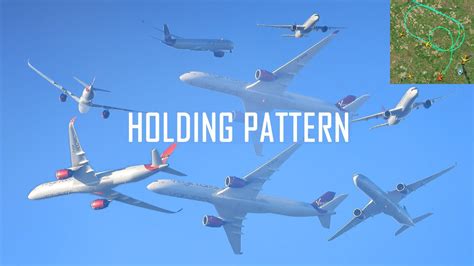
Holding patterns are particularly revealing examples of how operational realities affect travel time. An aircraft capable of flying hundreds of miles per hour can spend 20 or 30 minutes circling the sky while waiting for landing clearance. During that time, the aircraft’s impressive speed advantage offers no benefit at all.
Furthermore, speed restrictions during climb, descent, and approach phases prevent aircraft from operating at their maximum performance levels for most of the flight. The result is a narrower difference between fast and conventional aircraft than many passengers expect.
The Powerful Influence of the Jet Stream
Nature itself introduces another major variable into aviation travel times. High above the Earth’s surface, powerful bands of fast-moving air known as jet streams can significantly alter how quickly aircraft travel relative to the ground.
These atmospheric rivers typically flow from west to east, particularly across the North Atlantic and North Pacific regions. When aircraft fly in the same direction as the jet stream, they benefit from strong tailwinds that increase their ground speed without requiring additional engine power.
For example, flights traveling between New York’s John F. Kennedy International Airport (JFK) and London Heathrow Airport (LHR) often experience dramatically different travel times depending on direction. Eastbound flights from New York to London may arrive an hour faster than westbound flights traveling in the opposite direction.
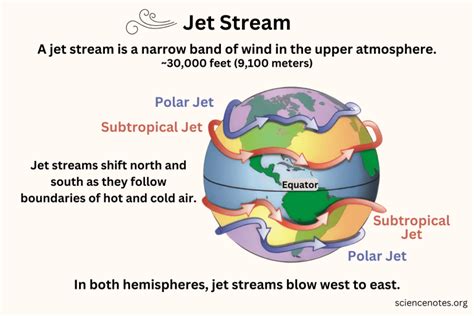
This phenomenon creates an intriguing situation: a slower aircraft with favorable tailwinds can sometimes complete a journey as quickly as a faster aircraft battling headwinds. In other words, atmospheric conditions can outweigh raw speed when determining how long a flight actually takes.
Flight planners carefully analyze wind forecasts before selecting routes and altitudes. In some cases, they deliberately choose slightly longer paths that align with beneficial winds because the resulting ground speed reduces the overall travel time.
This constant interaction between aircraft performance and atmospheric dynamics demonstrates that aviation speed cannot be measured purely by an aircraft’s technical specifications.
Supersonic Flight and Its Practical Limitations
The ultimate expression of aviation speed arrived during the era of supersonic passenger travel. Aircraft such as the legendary Concorde demonstrated that it was possible to cross the Atlantic Ocean in roughly half the time required by conventional airliners.
Cruising at more than Mach 2, Concorde could fly from London to New York in approximately three and a half hours. For business travelers and high-profile passengers, the aircraft represented the pinnacle of speed and technological achievement.
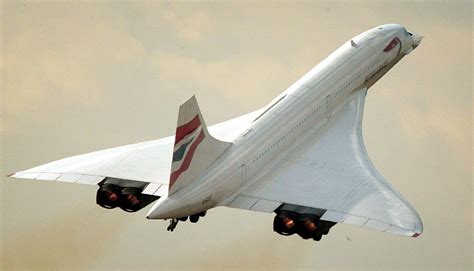
Concorde was not the only high-speed airliner in history. The Soviet Tupolev Tu-144 achieved even higher speeds, while earlier jetliners such as the Boeing 707 and Douglas DC-8 revolutionized travel by dramatically reducing journey times compared with propeller-driven aircraft.
Some of the fastest commercial aircraft ever built include:
- Tupolev Tu-144 – 1,510 mph (2,430 km/h)
- Concorde – 1,354 mph (2,180 km/h)
- Airbus A380 – 634 mph (1,020 km/h)
- Boeing 747 – 614 mph (988 km/h)
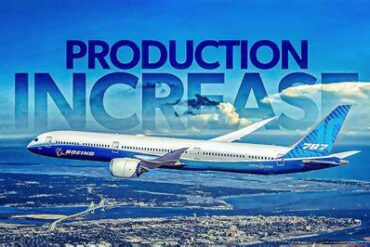
- Boeing 787 Dreamliner – 593 mph (954 km/h)
Despite these remarkable capabilities, supersonic aircraft faced numerous real-world limitations. One of the most significant was the sonic boom, the powerful shockwave produced when an aircraft exceeds the speed of sound. Sonic booms can be loud and disruptive on the ground, leading many countries to ban supersonic flight over land.
As a result, Concorde operated primarily on transoceanic routes, particularly between Europe and North America. This restriction limited the aircraft’s network flexibility and reduced the number of routes where its speed advantage could be fully utilized.
Even when operating at supersonic speeds, Concorde still encountered the same airport delays, taxi times, and air traffic constraints as any other aircraft. A flight that saved several hours during cruise could still lose valuable time waiting for takeoff or landing clearance.
Airport Congestion: The Hidden Time Barrier
Airports themselves represent one of the greatest bottlenecks in the entire aviation system. Regardless of how advanced an aircraft may be, it must operate within the physical and logistical limits of runways, taxiways, gates, and ground infrastructure.
Large international hubs handle extraordinary volumes of traffic each day. Aircraft often line up in long queues waiting for departure slots during peak hours. Even a small delay at one point in the system can ripple through the schedule and affect multiple flights.
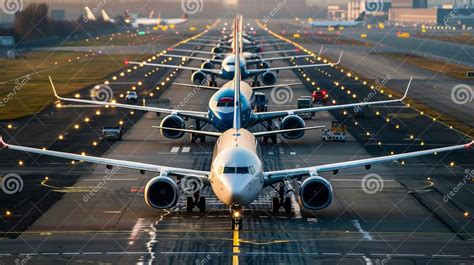
Arrival congestion presents similar challenges. When several aircraft approach the same airport simultaneously, air traffic controllers must space them out to maintain safe separation distances. This may involve instructing aircraft to slow down, fly extended approach paths, or enter temporary holding patterns.
Ground operations also require significant time. After landing, aircraft must be refueled, cleaned, and prepared for the next flight. Catering services reload meals and beverages, baggage handlers transfer luggage, and maintenance teams conduct inspections.
These processes are essential for safe and efficient airline operations, yet none of them become faster simply because the aircraft itself is faster. In many cases, improvements in airport infrastructure or operational efficiency can reduce total travel time more effectively than increasing cruise speeds.
Economics, Efficiency, and the Modern Aviation Strategy
In the early decades of jet travel, speed was often viewed as the ultimate measure of technological progress. Today, however, the aviation industry focuses on achieving an optimal balance between speed, efficiency, cost, and environmental sustainability.
Fuel represents one of the largest expenses for airlines. Flying faster generally requires more engine power, which increases fuel consumption due to greater aerodynamic drag. Over long distances, even small increases in speed can lead to substantial increases in operating costs.
Airlines therefore use sophisticated planning methods known as cost index optimization, which determine the most economical balance between speed and fuel consumption. In many cases, aircraft deliberately cruise slightly slower than their maximum capabilities to reduce fuel usage and operating expenses.
Passenger preferences also influence these decisions. Many travelers prioritize affordable ticket prices, schedule reliability, and convenient departure times rather than marginal reductions in flight duration. A flight that arrives on time at a reasonable price often holds more appeal than a faster but significantly more expensive alternative.
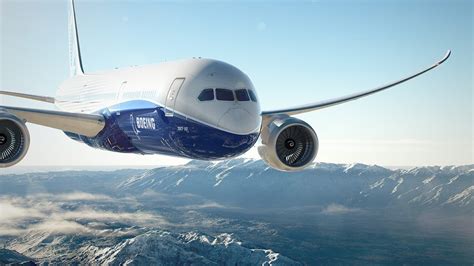
Modern aircraft design reflects this shift in priorities. New airliners such as the Airbus A350 and Boeing 787 Dreamliner emphasize fuel efficiency, reduced emissions, and improved passenger comfort rather than dramatically increasing cruise speeds.
Airlines are also exploring new strategies that focus on longer nonstop flights instead of faster aircraft. Projects like Qantas Project Sunrise, which aims to connect Australia directly with cities in Europe and North America, demonstrate how eliminating layovers can reduce total travel time more effectively than increasing speed.
Why Speed Alone Cannot Define Aviation Progress
The dream of faster flight continues to inspire engineers and aviation enthusiasts. Emerging technologies, including quieter supersonic aircraft and advanced propulsion systems, may eventually revive the possibility of high-speed commercial travel.
However, the lessons of modern aviation are clear: speed alone does not determine how quickly passengers reach their destinations. The overall journey is shaped by a network of interconnected systems that include airports, air traffic control, atmospheric conditions, operational logistics, and economic realities.
In many cases, improving the efficiency of these systems can deliver greater time savings than simply building faster aircraft. Reduced airport congestion, smarter routing, better weather forecasting, and more efficient ground operations all play crucial roles in shaping the passenger experience.
Ultimately, the aviation industry has learned that progress is not measured solely by velocity. True advancement lies in creating a travel system that is reliable, efficient, sustainable, and accessible, ensuring that passengers arrive not just quickly, but smoothly and predictably.
Faster aircraft may still capture the imagination, but in the complex ecosystem of global aviation, speed is only one piece of the journey.