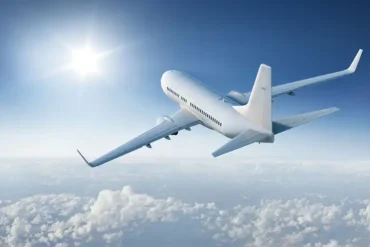
The dominance of white in the exterior paint schemes of commercial aircraft is not a result of mere aesthetic preference or branding simplicity. It is a carefully calculated decision rooted in thermodynamics, material science, cost efficiency, and operational logistics. While airlines like Spirit, Nok Air, or Air New Zealand occasionally defy the norm with bolder hues, the overwhelming majority of airliners remain white for compelling reasons that transcend style.
Thermal Efficiency and Sunlight Reflection
White paint serves as a highly reflective surface, bouncing back much of the solar radiation that would otherwise be absorbed by darker shades. This is particularly important considering the aluminum fuselage and composite materials used in modern aircraft construction. If painted black or deep blue, aircraft would absorb more heat, potentially increasing:
-
The cabin temperature before boarding
-
The load on the air conditioning systems, thus raising fuel consumption
-
The thermal stress on critical surface materials, particularly around the fuselage and wing roots
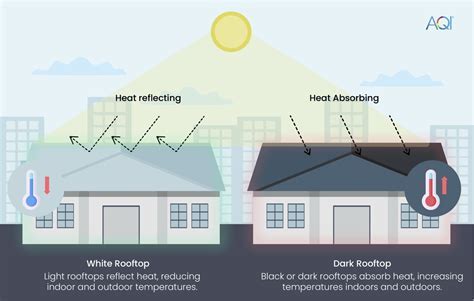
This reflective characteristic becomes especially crucial on sun-bathed tarmacs and runways. A white-painted aircraft retains a more stable internal temperature, reducing operational strain on onboard cooling mechanisms and ground equipment.
Weight Savings and Fuel Efficiency
Weight minimization is a persistent obsession in commercial aviation. Pigmented paint formulations tend to be heavier because they require additional binding agents, colorants, and often more layers to achieve full opacity. In contrast, white paint—often used as the base coat in multi-color liveries—is not only thinner but also requires fewer coats.
Airlines report that darker, more saturated liveries can weigh up to 1,200 pounds more than a basic white coat. That’s equivalent to:
-
Approximately 8 adult passengers and their luggage
-
A measurable increase in fuel burn on every single flight
-
Hundreds of thousands in annual operational cost increases
Notably, Virgin Australia transitioned from a red to white livery largely due to these paint weight differentials, as confirmed by former engineering staff.
Maintenance, Damage Detection, and Safety
White paint isn’t just cheaper and lighter—it’s also more practical for safety and diagnostics. The uniform, light surface makes it significantly easier for maintenance crews to identify:
-
Corrosion spots
-
Fluid leaks from hydraulic systems, fuel tanks, or oil lines
-
Cracks, dents, and structural anomalies
On a dark or multi-tonal background, such issues are harder to spot visually, potentially delaying critical maintenance. This is why regulatory bodies and major carriers prefer aircraft in easily inspected finishes, and why white often wins.
UV Resistance and Paint Longevity
Aircraft are constantly exposed to intense ultraviolet radiation at high altitudes. Bright pigments, especially reds, yellows, and blues, tend to fade significantly under UV exposure. White, however, remains visually stable, resisting the degradation that other pigments suffer.
This means fewer touch-ups, less frequent repainting cycles, and an extended livery lifespan—a significant benefit when each full repaint can cost anywhere between $50,000 to $200,000, depending on aircraft size and complexity.
Resale and Fleet Flexibility
Another reason airlines favor white is due to the secondary market. Aircraft frequently change hands—sold, leased, or transferred between airlines. A white fuselage simplifies rebranding efforts. Adding new logos or tail designs is significantly easier than stripping and repainting bold colors like Southwest’s blue or DHL’s yellow.
An aircraft with a neutral white livery can quickly adapt to a new operator, saving both time and money. This flexibility supports faster turnarounds for leasing companies and operators in transitional phases.
Historical Branding vs Modern Efficiency
Historically, liveries such as Braniff International’s colorful fuselages showcased aviation flair and brand uniqueness. However, today’s ultra-competitive commercial landscape places a premium on fuel savings, cost control, and modular fleet management.
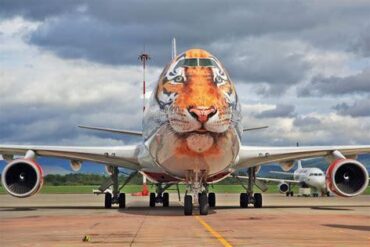
While airlines such as Nok Air, Condor, Fuji Dream Airlines, and ITA Airways use vivid paint schemes for branding and customer engagement, these are exceptions rather than the rule—and often supported by smaller fleet sizes or marketing campaigns that justify the extra operational costs.
Even Air New Zealand’s all-black livery exists as a special edition, not the fleet norm. Most aircraft in high-traffic commercial use revert to the proven practicality of white.
Thermodynamic Case Study: Pepsi Blue Concorde
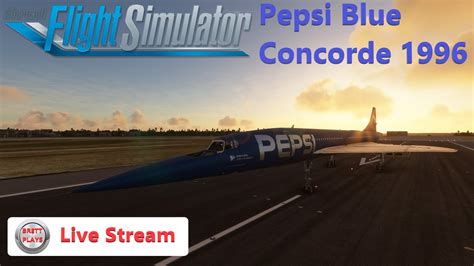
One infamous example underscores the heat-related limitations of colored aircraft. When Concorde was painted in Pepsi blue for a promotion, it could only maintain its top cruise speed for 20 minutes instead of the usual duration. This was due to the extra heat absorbed by the dark color, increasing the temperature of the fuselage and internal fuel tanks beyond safe operational limits.
This scenario highlights how color choice can directly affect aircraft performance, especially for supersonic or high-altitude models.
Operational Cost Calculations and Airline Practices
In aviation, every ounce counts. Consider these real-world cost-saving strategies:
-
Southwest Airlines saved over $1 million annually by switching from paper manuals to tablets
-
American Airlines removed a single olive per salad and saved $40,000 in a year
-
Removing unnecessary paint weight is another step in this efficiency mindset
Choosing white is part of a larger philosophy—minimize cost, maximize efficiency.
Psychological Perception and Passenger Comfort
From a passenger’s point of view, white conveys cleanliness, freshness, and trust. It reduces the visual heat experienced while boarding under a blazing sun and creates a consistent experience across an airline’s fleet. While not as flashy as a liveried design, it aligns with expectations of modern commercial air travel—functional, reliable, and safe.
Environmental and Carbon Considerations
Fuel efficiency translates into lower carbon emissions. By reducing aircraft weight and heat absorption, white paint indirectly supports sustainability efforts. Airlines are under pressure to reduce carbon footprints, and using a lighter, more reflective livery contributes to better emissions performance.
Are Airlines Completely Abandoning Color?
Not entirely. Airlines still use vibrant color for branding on vertical stabilizers (tails), winglets, and logos. These accent areas allow for visual identity while keeping the majority of the fuselage white. Moreover, special edition liveries or celebratory designs are still used selectively for marketing impact.
However, from an operational standpoint, white remains the baseline standard—a perfect balance between performance, cost, safety, and adaptability.
Frequently Asked Questions
Why don’t more airlines paint their planes in bold colors like red, green, or purple?
Airlines avoid bold colors primarily due to increased weight, reduced thermal efficiency, and higher maintenance costs. Darker paints absorb more heat and require more pigment layers, increasing fuel consumption. They also fade faster, requiring frequent repainting.
Is white paint really that much lighter than other colors?
Yes. White paint is lighter both in pigment density and application thickness. When applied across a large fuselage, this can result in weight savings of up to 1,200 pounds, translating to substantial fuel savings over the aircraft’s lifespan.
Are there any operational risks in flying a colored aircraft?
Beyond weight and temperature concerns, colored aircraft make leak detection, corrosion spotting, and damage assessment more difficult. From a safety perspective, these issues are critical, making white a safer, more pragmatic option for routine commercial flights.