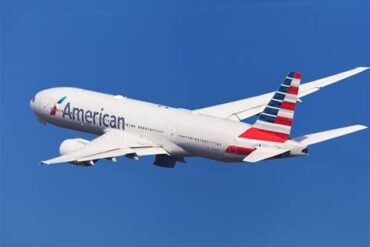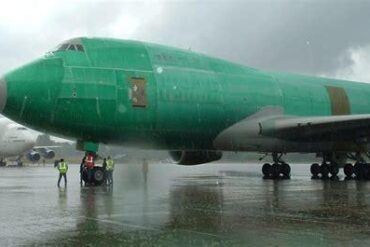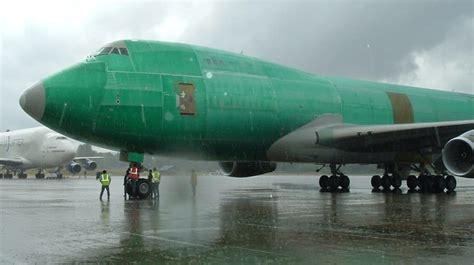
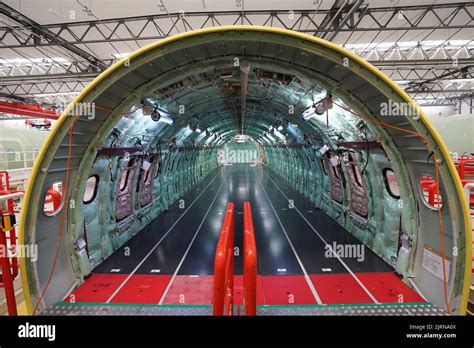
When a new aircraft rolls out of a manufacturing facility with its metallic surface covered in green paint, it is not a fashion choice but a crucial protective measure. Modern aircraft are primarily constructed using aluminum alloys, chosen for their lightweight structure and exceptional strength-to-weight ratio. However, aluminum, like any metal, is susceptible to oxidation and corrosion when exposed to oxygen and moisture. This gradual chemical reaction weakens the structural integrity of the airframe, which can compromise safety and performance if left unaddressed.
To combat this, manufacturers apply a protective primer coating, most notably zinc chromate. This chemical compound, with its signature yellow-green tint, acts as a corrosion-inhibiting layer, ensuring that the aircraft’s aluminum components remain structurally sound during assembly, storage, and operation.
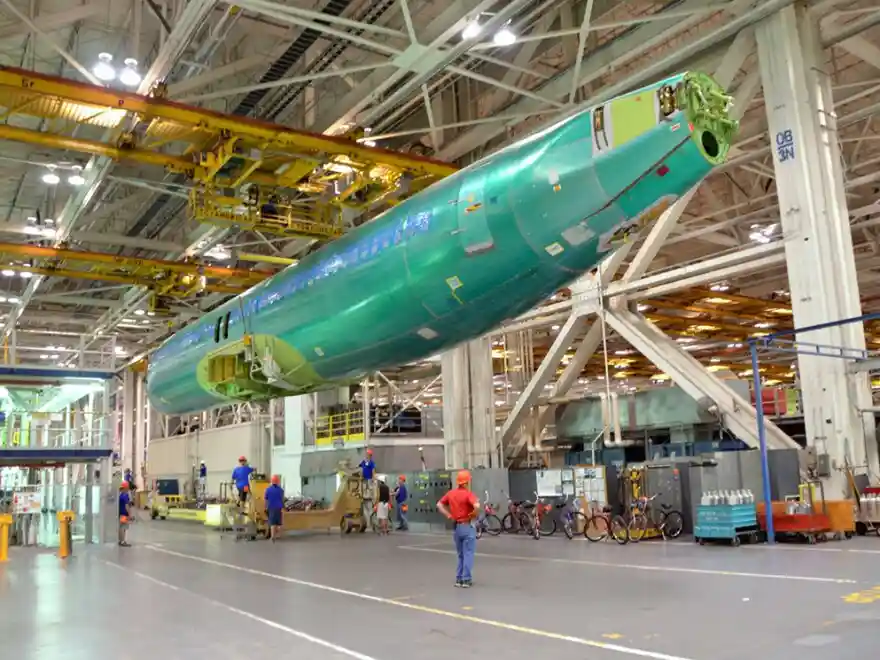
Why Zinc Chromate Is Used on Airplanes
Corrosion Protection and Adhesion
Zinc chromate is a chromium-based primer that not only creates a barrier against environmental elements but also offers excellent adhesion for subsequent paint layers. Aircraft undergo a multi-step process before the green coating is applied:
- Surface Pretreatment: Aluminum panels are cleaned and treated with chromic acid or nitric acid. This process forms a thin chromium-aluminum complex layer that is inherently resistant to corrosion.
- Primer Application: Zinc chromate is sprayed onto the surface, creating a strong adhesive foundation.
- Topcoat Application: After assembly and inspection, a final layer of white or airline-specific livery is applied for branding and thermal regulation.
This process is not just about aesthetics. The green primer seals microscopic pores in the metal, preventing moisture and air from initiating corrosion even in harsh operational environments like high-altitude flight, coastal airports, or humid climates.
Chemical Composition and Protective Mechanism
The protective properties of zinc chromate stem from hexavalent chromium (Cr(VI)), a highly effective corrosion inhibitor. This compound works in two ways:
- Barrier Protection: It creates a physical layer that blocks oxygen and water from reaching the metal surface.
- Inhibitive Protection: If minor scratches expose the aluminum beneath, the chromium ions in the primer migrate to the exposed area, forming a protective oxide film and halting corrosion spread.
According to SAE International’s standards, zinc-based primers enhance the density of the final topcoat, which improves durability, reduces maintenance costs, and extends service life for commercial and military aircraft alike.
Historical Adoption of Green Primers in Aviation
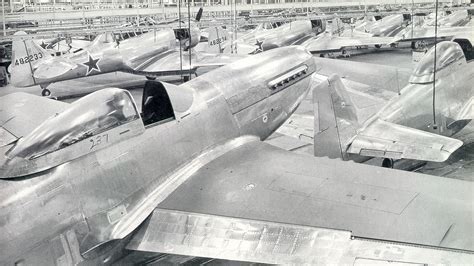
The use of zinc chromate in aviation dates back to World War II when aircraft manufacturers needed an effective way to prevent corrosion in warplanes stored in varying climates worldwide. Companies such as Douglas Aircraft, Boeing, and Lockheed adopted zinc chromate extensively for fighters, bombers, and transport planes.
This practice proved so successful that it became an industry standard, continuing into modern civil aviation with aircraft like the Boeing 737, Airbus A320, and Embraer E-Jets still receiving green primer before delivery.
The Health and Environmental Concerns of Zinc Chromate
While zinc chromate’s corrosion resistance is undeniable, its primary component, hexavalent chromium, is toxic and carcinogenic. Research by the Centers for Disease Control and Prevention (CDC) and the New Jersey Department of Health highlighted the following hazards:
- Skin irritation and ulceration
- Nasal mucosa damage and respiratory issues
- Kidney and liver damage with prolonged exposure
- Potential genetic effects
Due to these risks, aerospace manufacturers have enforced strict environmental and occupational safety measures, including sealed painting facilities, advanced ventilation systems, and protective gear for workers.
Modern Alternatives and Industry Transition
Although zinc chromate remains effective, the industry is gradually moving toward safer alternatives such as strontium chromate primers. The United States Air Force switched from zinc-based coatings to strontium-based systems, citing reduced toxicity while maintaining similar corrosion-inhibiting performance.
Other eco-friendly options, such as chromate-free primers using phosphates and organic inhibitors, are under development. These advancements aim to balance aircraft durability with environmental sustainability and worker health protection.
How Long Does the Green Primer Stay Visible?
The green coating seen on new aircraft does not remain indefinitely. Once the assembly process is complete, the aircraft is moved to the paint hangar for its final livery. Airlines favor white paint due to its superior heat reflection, weight efficiency, and ease of spotting cracks or fluid leaks during inspections.
However, in storage yards or during ferry flights, an aircraft may still appear entirely green until the final coat is applied.
Data Table: Aircraft Surface Protection Process
| Step | Description | Purpose |
|---|---|---|
| Cleaning | Removal of grease and contaminants | Prepares aluminum for treatment |
| Acid Etching | Chromic or nitric acid treatment | Creates corrosion-resistant layer |
| Primer Application | Zinc or strontium chromate sprayed | Provides adhesion and corrosion inhibition |
| Topcoat Application | Airline livery paint applied | Branding, UV protection, and aesthetics |
The Critical Role of Green Primer in Aircraft Safety
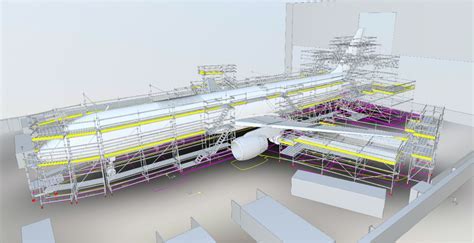
From a structural engineering perspective, preventing corrosion is not just about appearance but about flight safety and cost control. A small area of untreated corrosion can propagate and compromise the strength of the fuselage or wing spars. The application of zinc chromate ensures decades of service life, reduces maintenance intervals, and lowers the risk of unexpected structural failures.
Furthermore, this green coating plays an important role during manufacturing inspections, where its bright color helps workers identify imperfections and surface damage before the final paint is applied.
Conclusion
The question of why new airplanes are painted green goes far beyond aesthetics. This zinc chromate primer is a critical layer of protection that defends an aircraft’s aluminum structure from oxidation, ensures longevity, and provides a solid base for the airline’s livery. Despite ongoing environmental and health debates, the coating remains a staple of aircraft production while alternative materials continue to emerge.
FAQs
Why don’t airlines just keep airplanes green instead of repainting them?
Green primer is not designed for aesthetics or UV protection. It lacks the reflective properties and branding potential of white paint. Moreover, airline liveries are critical for heat management and brand recognition.
Are there regulations limiting the use of zinc chromate on airplanes?
Yes. Many countries, including those in the European Union, have stringent limits on hexavalent chromium use. Aircraft manufacturers must comply with REACH (Registration, Evaluation, Authorisation and Restriction of Chemicals) standards.
How much does aircraft painting cost after applying the primer?
Painting a commercial jet after green primer application can cost $150,000 to $300,000, depending on the size of the aircraft and complexity of the livery.