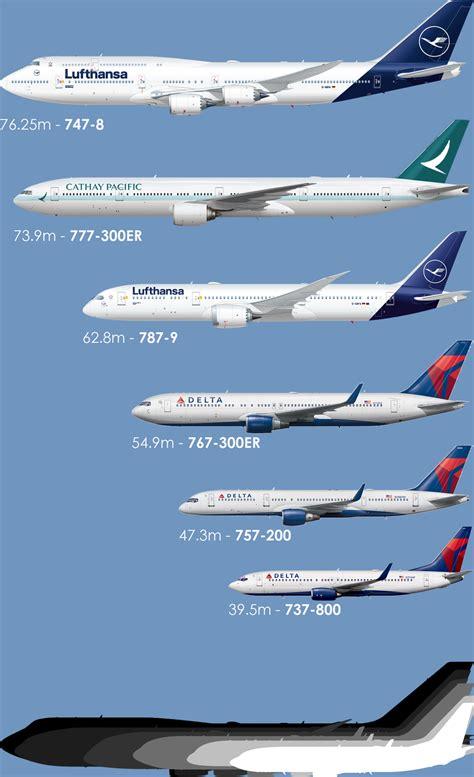
Air travel has long been wrapped in a simple assumption: the bigger the plane, the better the journey. It’s an idea that feels intuitive. Larger aircraft suggest more space, more stability, and more amenities. For decades, stepping onto a widebody jet like a Boeing 777 or Airbus A380 carried an implicit promise of a superior experience compared to smaller narrowbody planes.
But modern aviation has quietly rewritten that narrative. Today, size alone is a misleading indicator of comfort, and in some cases, it can even work against passengers. Advances in engineering, evolving airline business strategies, and increasingly dense seating layouts have reshaped what comfort really means at 35,000 feet.
Understanding this shift requires looking beyond surface impressions and into the details that actually define the in-flight experience.
Why Bigger Aircraft Still Hold a Comfort Advantage
There are areas where larger aircraft genuinely deliver on their promise. One of the most significant is cabin environment quality, which has improved dramatically with newer widebody designs.
The Boeing 787 Dreamliner represents a pivotal leap forward. Its composite fuselage allows for higher cabin pressure, reducing the perceived cabin altitude from the traditional 8,000 feet to around 6,000 feet. That difference might seem minor on paper, but in practice, it translates into less fatigue, reduced dehydration, and fewer headaches, especially on long-haul flights.
The Airbus A350 builds on this progress by enhancing humidity levels, increasing them to roughly 20 percent, compared to the dry 10–12 percent typical of older aircraft. This improvement directly impacts how passengers feel during and after a flight—less dry skin, fewer irritated eyes, and a generally more tolerable journey.
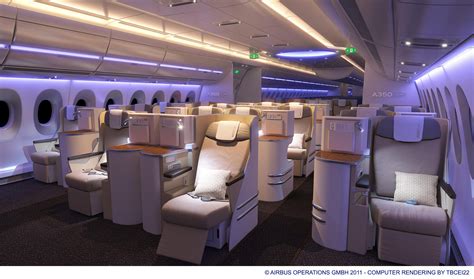
Another advantage lies in turbulence handling. Larger aircraft have greater mass, which makes them less sensitive to minor air disturbances. When encountering light turbulence, a widebody jet often feels more stable, smoothing out what might otherwise be a jittery ride on a smaller plane. While this advantage diminishes in severe conditions, it still contributes to a more relaxed experience during routine flights.
Beyond physics, bigger planes also tend to offer more onboard amenities. Think wider aisles, multiple galleys, and larger lavatories. These details might seem small individually, but collectively, they shape a more comfortable and less cramped environment—at least in theory.
The Hidden Reality: Bigger Can Also Mean Tighter
Here’s where expectations collide with reality. Despite their size, many modern widebody aircraft are configured in ways that reduce personal space rather than expand it.
Take the Boeing 777 as a prime example. Originally designed with a nine-abreast seating layout, it offered relatively generous seat widths. Over time, airlines introduced a ten-abreast configuration to maximize passenger capacity. The result? Seat widths shrinking to around 17 inches, noticeably tighter than before.
A similar transformation has affected the Boeing 787 Dreamliner. While early versions featured an eight-abreast layout with wider seats, most airlines now opt for nine-abreast seating, reducing width and comfort in the process.
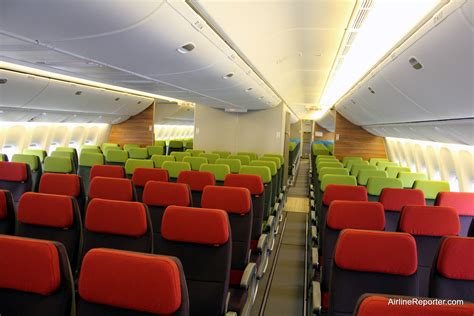
This trend highlights a crucial truth: aircraft size does not dictate passenger space—airline decisions do. In some cases, passengers may actually enjoy more shoulder room on a smaller Airbus A320 than on a densely packed widebody jet.
The underlying reason is simple economics. Airlines operate in a competitive environment where maximizing revenue per flight is essential. Adding more seats increases profitability, but it often comes at the cost of reduced comfort per passenger.
Aircraft Generation: The Overlooked Comfort Factor
If size isn’t the defining variable, what is? One of the most decisive factors is aircraft generation.
Modern aircraft like the Airbus A350 and Boeing 787 incorporate technologies that significantly enhance comfort, regardless of their size. These include:
- Quieter engines and cabin insulation, reducing noise levels by up to 50 percent compared to older models
- Advanced air filtration systems, improving overall air quality
- Dynamic LED lighting, designed to minimize jet lag
- Improved cabin pressure and humidity, supporting physical well-being
In contrast, older widebody aircraft such as the Airbus A340 or early versions of the Boeing 777 may feel dated despite their size. Noise levels are higher, air is drier, and the overall environment is less refined.
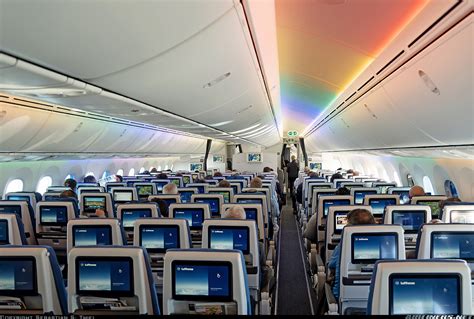
This creates a counterintuitive situation: a newer, smaller aircraft can deliver a more comfortable experience than a larger, older one. For passengers, this means the model and generation of the aircraft often matter far more than whether it has one aisle or two.
Cabin Configuration: Where Comfort Is Truly Decided
Perhaps the most powerful determinant of comfort is how an aircraft is configured internally. Two identical planes can feel completely different depending on how an airline chooses to arrange seats and allocate space.
Consider the Airbus A350-1000. Some airlines configure it with around 330 seats, offering a spacious and balanced layout across multiple classes. Others push capacity to nearly 480 seats, prioritizing volume over comfort.
The difference is dramatic. In lower-density configurations, passengers benefit from:
- More legroom (seat pitch)
- Wider seats
- Less crowded cabins
- Improved access to aisles and amenities
In high-density layouts, those advantages shrink rapidly. The cabin feels tighter, movement becomes restricted, and the overall experience becomes more stressful.
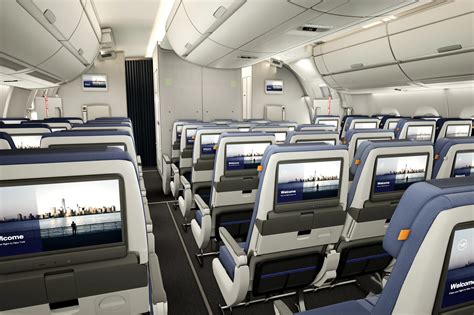
Even within the same airline, configurations can vary between routes. This inconsistency means that simply booking a flight on a specific aircraft type is not enough. Without checking the exact layout, passengers may end up with an experience that falls short of expectations.
The Illusion of Space in Widebody Aircraft
Widebody jets create a powerful psychological effect. The presence of two aisles, larger overhead bins, and a more expansive cabin design gives the impression of openness. But perception doesn’t always match reality.
When seats are tightly packed, that sense of space can become superficial. Passengers may have more room to walk around, but less room to sit comfortably. It’s a subtle trade-off that often goes unnoticed until the flight is underway.
This illusion is particularly evident in economy class, where seat width and pitch matter far more than aisle count. A cramped seat on a large aircraft remains cramped, regardless of how wide the cabin feels overall.
What Actually Determines In-Flight Comfort
To make sense of all these variables, it helps to look at comfort through a more accurate hierarchy. Instead of focusing on size, consider the factors that truly shape the experience:
- Aircraft Generation – Newer models offer better air quality, quieter cabins, and improved environmental control
- Cabin Configuration – Seat density and layout directly impact personal space
- Seat Selection – Exit rows, bulkhead seats, and aisle positions can significantly improve comfort
- Aircraft Size – A secondary factor that offers benefits, but only under the right conditions
This hierarchy explains why travelers sometimes report surprisingly comfortable flights on smaller aircraft while feeling disappointed on larger ones.
When Bigger Planes Deliver Their Best Experience
To be fair, larger aircraft can still offer exceptional comfort—but only when certain conditions are met.
When a modern widebody aircraft is paired with a thoughtful cabin layout, the results can be outstanding. Spacious seating, improved air quality, and quieter cabins combine to create a genuinely premium experience, even in economy class.
Airlines that prioritize passenger comfort over maximum capacity tend to stand out. They maintain wider seat configurations, offer better legroom, and invest in enhanced onboard services.
In these scenarios, the advantages of size finally align with passenger expectations, delivering the kind of journey travelers often imagine when booking a widebody flight.
When Smaller Aircraft Outperform Expectations
On the flip side, smaller aircraft have quietly improved. Modern narrowbody jets like the Airbus A321neo now feature:
- Quieter cabins
- Improved lighting systems
- More efficient air circulation
- Comfortable seating in well-designed layouts
On shorter routes, these aircraft can feel surprisingly pleasant, especially when compared to older or densely configured widebody planes.
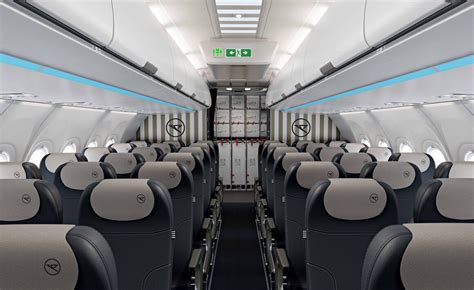
For flights lasting a few hours, the difference in size becomes far less relevant. What matters more is seat comfort, cabin freshness, and overall design quality.
Rethinking the Meaning of Comfort in Air Travel
The idea that bigger automatically means better belongs to an earlier era of aviation. Today, comfort is shaped by a complex interplay of design, technology, and airline strategy.
Passengers who rely solely on aircraft size when booking flights are essentially making a partial and often unreliable judgment. A more informed approach involves looking deeper—examining seat maps, checking aircraft age, and understanding how different airlines configure their cabins.
This shift in perspective can dramatically improve the travel experience. Instead of chasing the biggest plane, travelers can focus on the right plane, configured in the right way.
Final Thoughts: Size Is Just One Piece of the Puzzle
Bigger planes still carry undeniable advantages. They can offer smoother rides, better cabin environments, and more amenities. But these benefits are not guaranteed, and they can easily be undermined by dense seating and cost-driven design choices.
In modern aviation, comfort is no longer defined by size alone. It is the result of thoughtful engineering, smart configuration, and informed decision-making by both airlines and passengers.
The next time you book a flight, it’s worth pausing—just briefly—to look beyond the aircraft’s size. Because at 35,000 feet, comfort isn’t about how big the plane is. It’s about how intelligently that space is used.