Air travel has always been associated with movement, speed, and engineering achievement, but inside the cabin, the passenger experience depends just as heavily on atmosphere as it does on aircraft performance. Among the most underestimated elements shaping that atmosphere is cabin lighting. What once served as a purely functional necessity has evolved into one of the most sophisticated psychological and physiological tools in commercial aviation. Today’s aircraft lighting systems are carefully engineered to influence mood, reduce fatigue, regulate sleep cycles, improve spatial perception, reinforce airline branding, and even enhance how food tastes at 35,000 feet.
Modern airlines no longer view lighting as a secondary design feature. Instead, it has become an essential component of passenger well-being and competitive differentiation. Advanced LED systems now allow airlines to create immersive cabin environments capable of adapting throughout every stage of a journey. From energizing boarding sequences to calming overnight sleep settings, lighting quietly orchestrates the emotional rhythm of flight without most passengers ever consciously noticing it.
The rapid expansion of ultra-long-haul travel has made this technology even more critical. Flights lasting 14, 18, or even 20 hours place immense stress on the human body. Cabin lighting has emerged as one of the most effective non-invasive tools for reducing the biological disruption associated with crossing multiple time zones. As airlines race to improve comfort and loyalty in an increasingly competitive market, lighting has become both a science and an art form.
By combining chronobiology, psychology, industrial design, and aerospace engineering, modern cabin illumination is reshaping how passengers feel before, during, and after a flight.
After the third paragraph, the cabin itself begins to reveal why lighting has become such a powerful aviation innovation.
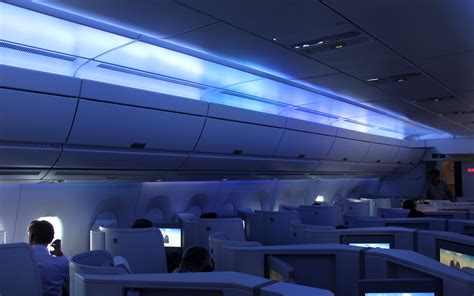
The Science Behind Cabin Lighting And Human Circadian Rhythms
One of the primary goals of advanced aircraft lighting systems is managing the human circadian rhythm. The circadian rhythm functions as the body’s internal biological clock, controlling sleep cycles, hormone release, alertness, digestion, and cognitive performance over a roughly 24-hour period. Crossing multiple time zones rapidly disrupts this system, leading to the familiar symptoms of jet lag, including exhaustion, insomnia, headaches, irritability, and impaired concentration.
Modern aircraft lighting systems are specifically designed to minimize this disruption. Airlines use programmable LED environments to simulate the natural progression of daylight. Instead of exposing passengers to static overhead lighting throughout the flight, the cabin gradually changes color temperature and brightness levels in synchronization with the destination’s local time.
Bright, cool-toned lighting containing higher concentrations of blue wavelengths is commonly used during boarding and meal services because blue-enriched light suppresses melatonin production. Melatonin is the hormone responsible for preparing the body for sleep. By reducing melatonin, cooler lighting encourages alertness and helps passengers remain active during appropriate phases of the journey.
As the flight transitions into overnight cruise mode, the cabin environment changes dramatically. Blue wavelengths are gradually reduced while warmer amber, rose, and soft orange tones dominate the interior. These warmer colors encourage melatonin release and help passengers become naturally sleepy. The process is intentionally gradual because sudden lighting changes can shock the body and interrupt the transition into rest.
Unlike older fluorescent systems that simply switched on or off, modern LEDs allow airlines to create nearly imperceptible lighting transitions lasting up to an hour. These slow adjustments mimic sunrise and sunset, helping the brain adapt more naturally to changing time zones.
Research in sleep science has demonstrated that improperly timed blue light exposure can delay sleep by several hours. In ultra-long-haul aviation, this matters enormously. A poorly rested passenger arriving after a 16-hour flight is far more likely to associate the airline with discomfort and fatigue. Cabin lighting therefore becomes directly tied to customer satisfaction, loyalty, and even brand perception.
Why Warm Cabin Lighting Makes Passengers Feel Safer And More Relaxed
Color temperature has a profound psychological impact on human emotions. Airlines strategically manipulate this effect to reduce travel stress and create a sense of calm inside confined aircraft cabins.
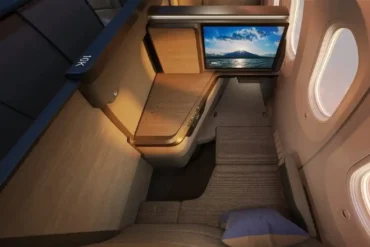
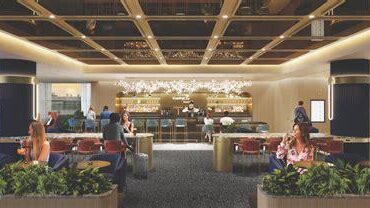
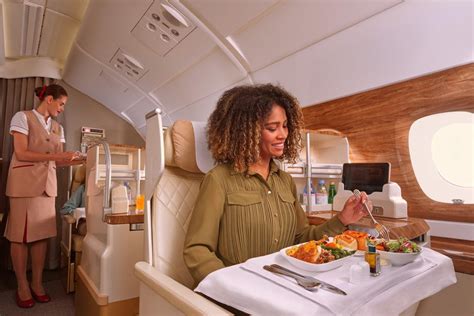
Warm lighting tones resembling sunsets or candlelight naturally evoke comfort, intimacy, and relaxation. During meal services on premium long-haul flights, many airlines intentionally use soft amber or golden lighting because these hues create an environment similar to upscale restaurants or hotel lounges. The cabin feels less clinical and less mechanical, transforming the experience from transportation into hospitality.
Passengers often experience subconscious anxiety while flying. Crowded seating, engine noise, turbulence, and confinement can elevate stress hormones even among experienced travelers. Lighting helps counteract these feelings by softening the visual environment.
Cool white lighting, while useful operationally, can feel harsh and sterile when overused. Older aircraft cabins illuminated by fluorescent tubes often appeared cold, flat, and exhausting during overnight journeys. LEDs changed that entirely by enabling nuanced atmospheric control.
Deep indigo and violet lighting has become especially popular during overnight cruise phases because these colors psychologically encourage quietness and sleep. Airlines discovered that darker cool hues reduce visual stimulation while still allowing passengers to navigate the cabin safely.
The gradual sunrise simulation before landing is equally important. Instead of abruptly activating bright overhead lights before breakfast service, airlines now often introduce dawn-inspired lighting sequences over 30 to 60 minutes. Deep blues transition into soft purples, then pale oranges and gentle golds. This carefully staged illumination reduces the abrupt cortisol spikes associated with sudden awakening.
Passengers wake more naturally, experience less grogginess, and often feel more refreshed upon arrival.
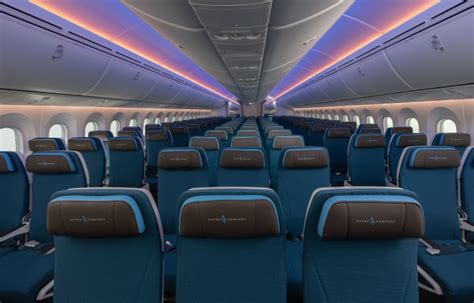
How Airlines Use Lighting To Strengthen Brand Identity
Cabin lighting has become one of the most recognizable visual signatures in modern aviation branding. Airlines increasingly use illumination to communicate luxury, personality, exclusivity, and cultural identity before passengers even sit down.
Some carriers favor energetic, modern color palettes designed to create a trendy and youthful atmosphere. Others emphasize warm elegance and understated sophistication. Lighting has effectively become part of the airline’s interior architecture.
A carrier focused on luxury hospitality may utilize gold accents, warm whites, and soft ambient glows to emulate five-star hotels. Another airline targeting younger leisure travelers may prefer bold purples, electric blues, and vibrant pink tones that create a nightclub-inspired environment.
This branding strategy is remarkably effective because lighting influences emotional perception instantly and subconsciously. Passengers may not consciously analyze the cabin’s illumination, but they absolutely feel its emotional effect.
Boarding experiences are particularly important because they shape first impressions. A calm, modern lighting environment immediately signals cleanliness, sophistication, and attention to detail. Even passengers flying in Economy Class interpret atmospheric cabins as indicators of a premium airline experience.
Lighting also allows airlines to visually separate cabin classes without adding heavy partitions. Business Class sections frequently use softer, more subdued palettes to create privacy and exclusivity. Economy cabins, meanwhile, often employ brighter ceiling illumination designed to create a greater perception of space.
The visual manipulation is subtle but powerful. By directing light upward toward ceiling contours instead of downward onto passengers, designers can make cabins feel taller and less claustrophobic. This becomes especially valuable on narrowbody aircraft where physical space is limited.
The Technological Revolution From Fluorescent Bulbs To Advanced LEDs
The transition from fluorescent lighting to LED systems represents one of the most significant technological upgrades in modern aircraft cabin design.
Older fluorescent systems suffered from numerous limitations. They flickered subtly, generated excess heat, consumed large amounts of electricity, and required frequent replacement. Their harsh light quality often caused headaches, eye strain, and visual fatigue during long flights.
LED technology transformed the entire cabin environment.
Unlike fluorescent tubes, LEDs are lightweight solid-state devices capable of producing millions of color combinations while consuming significantly less energy. They are also vastly more durable, often operating for up to 50,000 hours before replacement becomes necessary.
Weight reduction is especially important in aviation because every kilogram removed from an aircraft lowers fuel consumption. Replacing bulky fluorescent hardware with lightweight LED strips helps airlines reduce operating costs across entire fleets.
However, the greatest advantage lies in lighting precision. LEDs support “stepless dimming,” allowing brightness levels to change so gradually that passengers barely notice the transition. This capability enables airlines to replicate natural environmental lighting patterns in ways that older technologies never could.
The flexibility of LEDs also allows zonal lighting configurations. Different sections of the aircraft can maintain separate lighting environments simultaneously. Cabin aisles may remain dimmed while galleys stay brightly illuminated for meal preparation. Lavatory entrances can be subtly highlighted without disturbing sleeping passengers.
Indirect lighting techniques further improve comfort. Modern cabins frequently bounce light off ceilings and sidewalls instead of aiming fixtures directly at passengers. This reduces glare, minimizes hard shadows, and creates a softer visual atmosphere throughout the cabin.
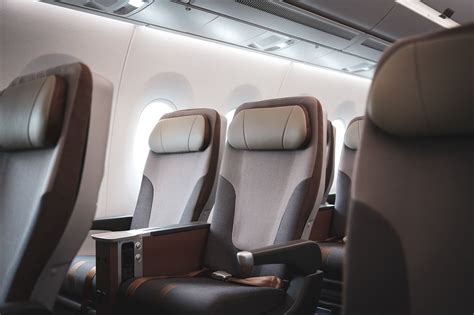
How Cabin Lighting Improves Passenger Safety And Crew Efficiency
While mood enhancement receives significant attention, cabin lighting also performs essential operational and safety functions.
Task lighting remains one of the most practical examples. Individual reading lights have evolved from hot halogen bulbs into highly focused LED systems capable of illuminating a single seat without disturbing neighboring passengers. This allows one traveler to work or read while another sleeps uninterrupted just inches away.
Emergency lighting systems are even more critical. Floor-level path lighting guides passengers toward exits during evacuations, particularly in smoke-filled environments where visibility may be severely compromised. Modern systems now incorporate dynamic directional indicators capable of changing color or movement patterns to direct passengers toward the safest available exit.
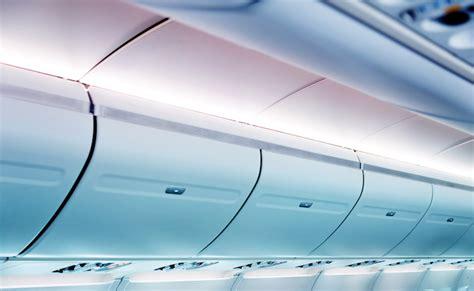
Cross-bin illumination above overhead compartments improves visibility during boarding and deplaning, reducing delays caused by passengers struggling with luggage in dim environments.
Flight attendants also rely heavily on specialized lighting systems. Galleys require bright task-oriented illumination for food preparation, inventory management, oven operation, and safety procedures. However, airlines must simultaneously prevent this workspace lighting from disturbing nearby passengers.
To solve this problem, modern aircraft use partitions, light curtains, and directional shielding systems that isolate galley brightness from the passenger cabin.
Color-coded call lights provide another subtle operational benefit. Different lighting indicators allow cabin crew to quickly identify passenger requests from various sections of the aircraft without creating unnecessary disturbances.
The cabin effectively becomes an intelligently illuminated workspace where every lighting element serves multiple simultaneous functions.
Why Lighting Directly Affects How Airline Food Tastes
One of the most fascinating aspects of aircraft lighting involves its influence on taste perception.
High altitude, low humidity, and reduced cabin pressure significantly weaken the human senses of taste and smell during flight. Research suggests passengers may lose up to 30% of their flavor sensitivity while airborne. This creates major challenges for airline catering departments attempting to deliver satisfying meals.
Lighting partially compensates for this sensory reduction.
Warm ambient lighting enhances the visual appeal of food, making meals appear richer, fresher, and more appetizing. Soft directional illumination creates texture and depth on meal trays that harsh white lighting often destroys.
Cold, sterile lighting can make food appear bland and artificial even when the actual meal quality is high. Airlines therefore increasingly coordinate lighting schemes with meal services to elevate the perceived dining experience.
This emerging field, often associated with gastrophysics, demonstrates how environmental factors shape flavor perception. Cabin illumination essentially becomes part of the culinary presentation itself.
Premium airlines have invested heavily in this concept because dining remains one of the strongest emotional touchpoints during long-haul travel. A beautifully lit meal service contributes significantly to passenger satisfaction and luxury perception.
The Rise Of Personalized Smart Cabin Lighting Systems
The future of aircraft lighting is rapidly moving toward personalization and interactive intelligence.
Emerging systems will allow cabins to respond dynamically to individual passenger needs rather than applying a single lighting environment to everyone onboard. Future premium seats may integrate wearable device synchronization, enabling lighting adjustments based on sleep quality, fatigue levels, or biometric data collected from smartwatches.
If a passenger struggles to wake before arrival, localized lighting could gradually shift toward energizing blue wavelengths around their personal seating area. Travelers seeking rest could maintain warmer, dimmer environments without affecting nearby passengers.
OLED technology is pushing this evolution even further. Unlike traditional bulbs, OLED surfaces emit light directly from panels embedded into walls, ceilings, and cabin architecture. Entire cabin sections may eventually function as illuminated surfaces capable of displaying dynamic environmental effects.
Virtual windows are another major innovation. For passengers seated far from actual windows, high-definition display panels can simulate realistic sky views, sunrise sequences, or ambient scenery designed to reduce feelings of confinement.
Ultra-long-haul projects such as nonstop Sydney-to-London operations are accelerating these developments because passengers will soon spend nearly an entire day inside aircraft cabins. Lighting will play an increasingly vital role in maintaining psychological comfort during these extreme journeys.
Spatial lighting systems are also evolving into information displays. Future cabins may use illuminated pathways, directional floor projections, and color-coded visual guidance instead of relying solely on static illuminated signs.
Cabin illumination is gradually transforming from passive decoration into an active communication interface.
Why Cabin Lighting Has Become Essential To Modern Air Travel
Cabin lighting now sits at the intersection of aviation engineering, neuroscience, hospitality, psychology, and brand strategy. What passengers once perceived as simple overhead illumination has evolved into one of the most influential elements shaping the inflight experience.
The modern aircraft cabin is no longer just a transportation environment. It is a carefully controlled sensory ecosystem engineered to manage stress, support sleep, enhance spatial comfort, improve dining experiences, and reinforce emotional connections with airline brands.
As airlines continue competing for passenger loyalty in an era dominated by social media visibility and ultra-long-haul travel, lighting systems will only become more sophisticated. Future cabins will adapt in real time to individual biological needs, blending intelligent automation with immersive environmental design.
Passengers may rarely think consciously about cabin lighting during a flight, yet its influence touches nearly every aspect of the journey. It shapes how rested travelers feel after landing, how spacious the cabin appears, how luxurious the experience seems, and even how memorable the airline becomes afterward.
The future of aviation comfort will not be defined solely by larger seats or faster aircraft. Increasingly, it will be determined by how effectively airlines control the invisible atmosphere surrounding every passenger from takeoff to touchdown.