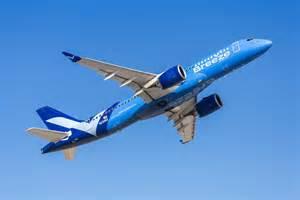
Air travel has entered a fascinating era. Modern narrowbody aircraft such as the Boeing 737 MAX and Airbus A321neo family — particularly the long-legged A321XLR — now operate routes that once belonged exclusively to twin-aisle jets. That overlap creates a real choice for travelers booking medium- to long-haul flights. Yet seasoned passengers consistently lean toward the widebody option when it appears on the schedule.
The reason is not nostalgia. It is physics, space, service design, and endurance. A widebody aircraft is not simply a larger airplane; it is a different travel ecosystem. From boarding flow to cabin pressure stability, from premium cabin architecture to crew logistics, the experience shifts in subtle but meaningful ways.
Understanding those differences requires looking beyond the obvious second aisle. The advantages of widebody flying begin with engineering fundamentals and ripple outward into comfort, efficiency, and even psychology.
The Structural Difference That Changes Everything
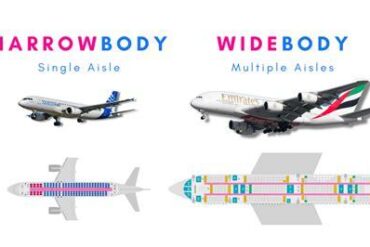
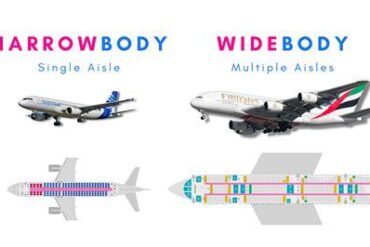
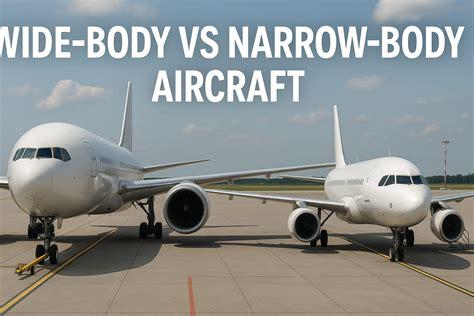
At its simplest, a narrowbody aircraft has a single aisle. A widebody has two or more. That architectural distinction determines fuselage diameter, cabin layout flexibility, cargo volume, and passenger flow dynamics.
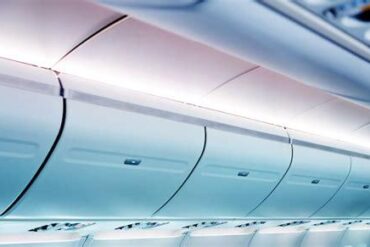
Narrowbody fuselages typically measure between 3 and 4 meters in diameter, while widebody aircraft expand that to roughly 5 to 6 meters. That additional width is not just extra seating space; it enables dual aisles, larger galleys, dedicated crew rest compartments, wider overhead bins, and improved cabin circulation.
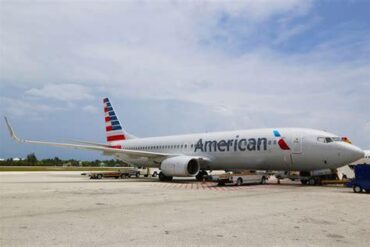
The market dominance of narrowbody families such as the Boeing 737 and Airbus A320 series stems from economics. These aircraft are optimized for short- to medium-haul routes with high frequency and lower operating cost per flight. They are efficient tools for dense domestic networks.
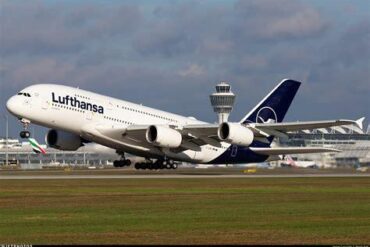
Widebodies — think Boeing 777, Airbus A350, and formerly the iconic Boeing 747 and Airbus A380 — are built for reach. They are engineered to sustain high weights across intercontinental distances while carrying hundreds of passengers and significant cargo.
That structural scale changes how space can be used. Once you have a twin-aisle platform, airlines gain freedom to design cabins that feel less compressed and more deliberate.
Cabin Space: The Psychological and Physical Impact
Space in aviation is a technical variable with emotional consequences. Two aisles mean more movement channels. More movement channels reduce congestion. Reduced congestion lowers perceived crowding.
On a typical narrowbody configured 3-3 in economy, cabin crew must serve up to six passengers per row from a single aisle. Service carts block movement, queues form for lavatories, and boarding becomes a serial process. The single aisle is a bottleneck.
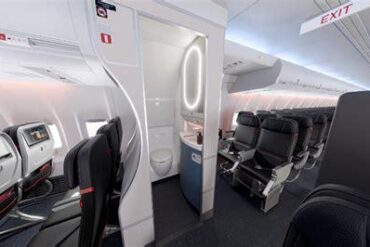
On a widebody with a 3-4-3 or 3-3-3 configuration, service can happen simultaneously on both aisles. Even with higher passenger counts, flow is more distributed. Boarding and deplaning often feel faster because movement is parallel rather than linear.
Headroom matters too. Widebody cabins generally offer greater vertical clearance. That reduces the sense of confinement, particularly on flights exceeding eight hours. Human perception of comfort is heavily influenced by spatial proportion; an extra few inches in width and height can materially change how long a space feels tolerable.
The result is not merely more room — it is less friction.
Premium Cabins: Where Widebodies Truly Dominate
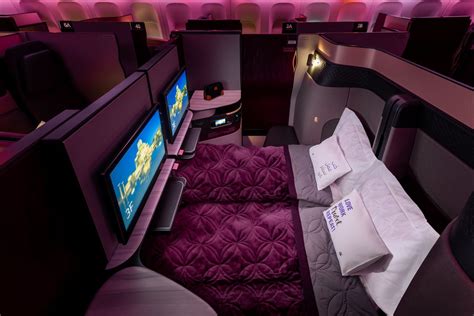
The most visible advantage of widebody aircraft appears in premium cabins. The structural width allows airlines to deploy 1-2-1 business class configurations, enabling every passenger to enjoy direct aisle access — a benchmark feature in modern long-haul travel.
Products such as Qatar Airways’ Qsuite on the Airbus A350 and Boeing 777-300ER illustrate what widebody geometry enables. Sliding privacy doors, configurable quad seating for groups, and fully lie-flat beds are only possible because of fuselage width and aisle placement flexibility.
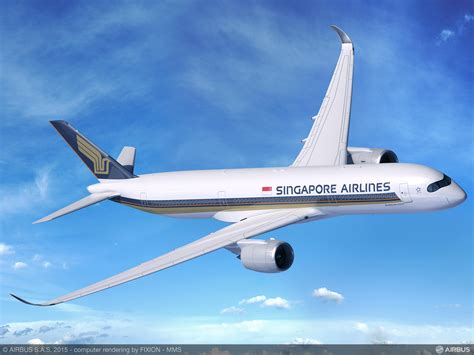
Singapore Airlines takes similar advantage on its Airbus A380, A350, and Boeing 777 fleets, using generous seat widths, extensive storage compartments, and wide console spacing. These designs transform business class into a semi-private suite environment.
Lie-flat beds are not a luxury flourish; they are a physiological necessity on flights exceeding ten hours. True horizontal sleep reduces jet lag severity and improves post-arrival functionality. Narrowbody aircraft, even when equipped with premium cabins, face space limitations that constrain seat width, bed length, and aisle access.
Notably, the top-ranked carriers in global business class awards overwhelmingly operate widebody fleets for their flagship routes. The aircraft platform sets the upper boundary of what is possible in product design.
Economy Class: Subtle but Real Improvements
The benefits of widebody travel are not limited to premium cabins. Economy passengers often gain incremental comfort as well.
Seat pitch differences may appear small — for example, 30 inches on a Boeing 737 versus 31 inches on a Boeing 787 in certain airline configurations — but cabin width allows armrests, aisle clearance, and seat taper to feel less restrictive.
Widebody aircraft also distribute cabin noise differently. Larger fuselages and engine placement often reduce perceived engine hum inside the cabin, especially near the wing roots. While not universally quieter, long-haul aircraft are typically designed with acoustic optimization in mind.
Lavatory access is another overlooked factor. Multiple aisles reduce queuing disruption. The psychological burden of waiting in a cramped aisle for extended periods is diminished when passengers can stand without blocking the entire cabin.
The difference is not dramatic; it is cumulative. Over twelve hours, cumulative comfort becomes decisive.
Range: The Freedom to Fly Further Nonstop
Perhaps the most tangible advantage of widebody aircraft is range. The Airbus A350-900ULR can fly approximately 9,700 nautical miles, enabling nonstop operations between Singapore and New York — a route exceeding 18 hours in block time.
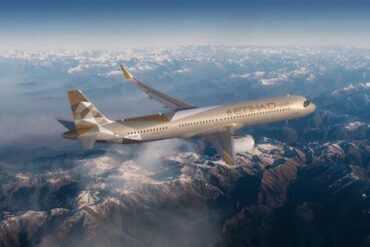
These ultra-long-haul routes are not feasible on most narrowbody platforms. While aircraft like the Airbus A321LR and A321XLR have pushed narrowbody range into transatlantic territory, payload and cabin comfort constraints limit their suitability for the longest missions.
Widebodies carry more fuel, more cargo, and more passengers simultaneously across greater distances. Their high thrust twin engines are optimized for sustained cruise at intercontinental weights.
This capability expands route networks dramatically. Airlines can connect secondary cities nonstop, reduce reliance on hub transfers, and operate missions exceeding 15 hours with operational resilience.
For passengers, that translates into fewer connections, reduced missed-connection risk, and less total travel time.
Cabin Crew Efficiency and Long-Haul Operations
Long-haul flights demand sustained service. On a widebody, crew operations are structured around that endurance requirement.
Multiple galleys allow simultaneous meal preparation and distribution. Dual aisles enable staggered service waves. Dedicated crew rest compartments — often located above the cabin ceiling or below the main deck — provide bunks for regulated rest periods on ultra-long-haul sectors.
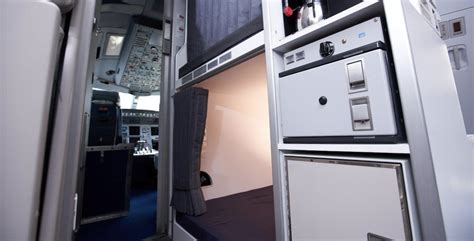
Crew fatigue management is not cosmetic; it is safety-critical. Regulations require structured rest cycles on flights exceeding certain durations. Widebody aircraft are designed to accommodate that need without sacrificing passenger seating.
On long-haul narrowbody flights, rest arrangements are more improvised. Business class seats or blocked economy rows may be reserved for crew rest. Functional, yes — but less integrated into the aircraft’s architecture.
Service quality often reflects this structural difference. With larger teams working in coordinated shifts, widebody flights can maintain attentive service across 12 to 16 hours without visible strain.
Cargo Capacity: The Hidden Economic Engine
Passenger experience is only part of the widebody equation. Beneath the cabin floor lies significant belly cargo capacity.
Widebody aircraft transport substantial freight volumes alongside passengers. High-value goods, pharmaceuticals, electronics, and express shipments frequently fill the lower deck.
This cargo revenue subsidizes long-haul passenger routes and influences airline network strategy. Per-passenger emission figures often overlook this dual-use efficiency; a portion of fuel burn supports cargo transport, not just passenger carriage.
In effect, widebodies function as hybrid transport platforms. That economic flexibility helps sustain routes that might otherwise be unprofitable.
Emissions and Efficiency: The Trade-Off
Widebody aircraft do produce higher CO2 emissions per passenger per kilometer compared with modern narrowbodies on certain routes. Data suggests transatlantic narrowbody operations can generate roughly 57–72 grams of CO2 per passenger per kilometer, while comparable widebody flights may range from 74–105 grams.
The reasons are straightforward physics. Widebodies are heavier, possess larger frontal areas, and require more thrust. More mass and drag demand more fuel.
Yet the story is nuanced. New-generation aircraft such as the Airbus A350 and Boeing 787 incorporate advanced composite materials, high-bypass turbofan engines, and aerodynamic refinements that significantly reduce fuel burn compared with older widebody designs.
Additionally, when cargo capacity and passenger load factors are high, overall route efficiency improves. An aging narrowbody may emit more per passenger than a cutting-edge widebody operating at optimal capacity.
Sustainability remains an evolving equation shaped by fleet age, load factor, route structure, and emerging sustainable aviation fuels.
Boarding, Deplaning, and Airport Experience
Two aisles accelerate movement. Boarding a 300-passenger widebody can feel smoother than boarding a 180-seat narrowbody because congestion disperses across multiple lanes.
Gate infrastructure also differs. Widebodies frequently use dual jet bridges — one for forward boarding, one mid-cabin — reducing turnaround time and easing passenger flow.
Deplaning benefits similarly. Parallel movement reduces aisle stagnation, particularly for passengers seated aft.
These operational efficiencies may seem minor, but when multiplied across millions of annual passengers, they represent meaningful time savings and stress reduction.
The Psychological Weight of the Aircraft Itself
There is an intangible dimension to widebody travel. Larger aircraft tend to feel more stable in turbulence due to mass and wing design. While turbulence intensity depends on atmospheric conditions rather than aircraft size alone, the perception of stability often increases in heavier jets.
Long-haul cabins are also pressurized and humidified differently in newer widebody models like the Boeing 787 and Airbus A350. Lower cabin altitude and improved humidity systems reduce dehydration and fatigue symptoms on extended flights.
Passengers may not consciously identify these variables, but they register physically upon arrival.
The aircraft becomes not just transport, but environment.
When Narrowbody Still Makes Sense
Widebody superiority is contextual. On short routes under three hours, the differences compress. Boarding speed advantages matter less. Lie-flat beds are irrelevant. Range capability is unused.
Narrowbody aircraft excel in frequency, route flexibility, and lower per-flight operating costs. For airlines, they unlock thin markets and allow higher schedule density.
For passengers, the calculus depends on mission length and cabin class. On a two-hour regional hop, the benefits of a twin-aisle aircraft may not justify schedule inconvenience.
On a 14-hour intercontinental journey, the calculus changes dramatically.
The Enduring Value of Widebody Travel
Widebody aircraft represent the pinnacle of long-haul commercial aviation design. They integrate spatial engineering, service logistics, cargo economics, and endurance capability into a cohesive platform.
Their advantages include:
- Enhanced cabin space and dual-aisle flow
- Superior premium cabin architecture
- Greater nonstop range
- Integrated crew rest systems
- Substantial cargo capacity
- Optimized long-haul environmental controls
These factors combine to produce a travel experience that is generally smoother, quieter, and more adaptable on extended routes.
As narrowbody aircraft continue to stretch their range, the boundary between categories will blur further. Yet physics remains stubborn. Width enables possibility. Volume enables design freedom. Endurance demands structural scale.
When flight time extends beyond the horizon and sleep becomes part of the itinerary, the widebody aircraft remains aviation’s most capable and comfortable instrument of intercontinental travel.