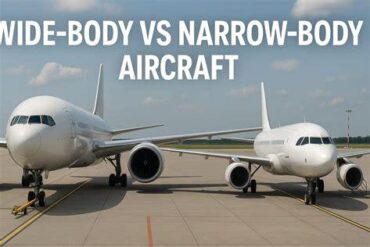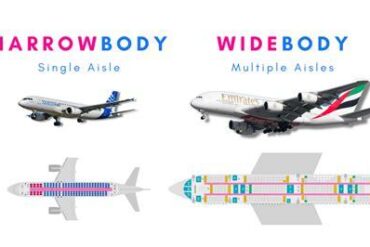
The difference between narrowbody and widebody aircraft is obvious from the terminal window, but inside the cabin, that difference reshapes the entire working life of a flight attendant. What looks like a simple variation in aircraft size becomes a fundamental shift in rhythm, responsibility, teamwork, and even psychology once the doors close and the aircraft pushes back. To passengers, it is a matter of seat width or aisle count. To cabin crew, it is the difference between sprinting and pacing a marathon.
Flight attendants often describe narrowbody and widebody flying as two distinct professions that share a uniform and safety manual. The aircraft dictates how service flows, how emergencies are managed, how crews interact, and how fatigue builds over time. Even the way silence feels at 35,000 feet changes depending on whether there is one aisle or two. These differences are not cosmetic; they are structural, operational, and deeply human.
At the heart of this contrast is mission profile. Narrowbody aircraft dominate short- and medium-haul flying, compressing complex duties into tight timelines. Widebody aircraft stretch those duties across oceans and time zones, demanding endurance, coordination, and procedural discipline on a much larger scale. Understanding how flight attendants experience these environments reveals why aircraft type matters far more than passengers often realize.
The aircraft may be metal and composite, but the experience is shaped by people adapting to space, time, and responsibility in radically different ways.
Cabin Architecture and the Psychology of Space
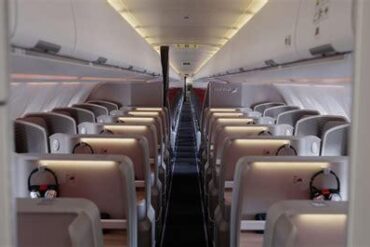
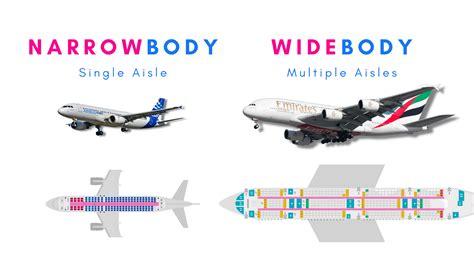
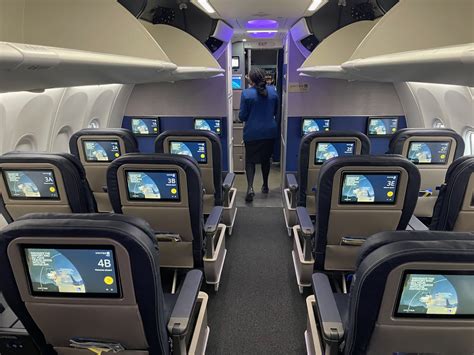
Before a single passenger boards, the cabin itself has already determined how the flight will feel for the crew. Narrowbody aircraft are built around efficiency, with a single aisle and compact galleys that demand constant movement and awareness. The cabin feels immediate and intimate, sometimes uncomfortably so during full flights. Every sound carries, every interaction is visible, and every delay ripples instantly from row one to the last row.
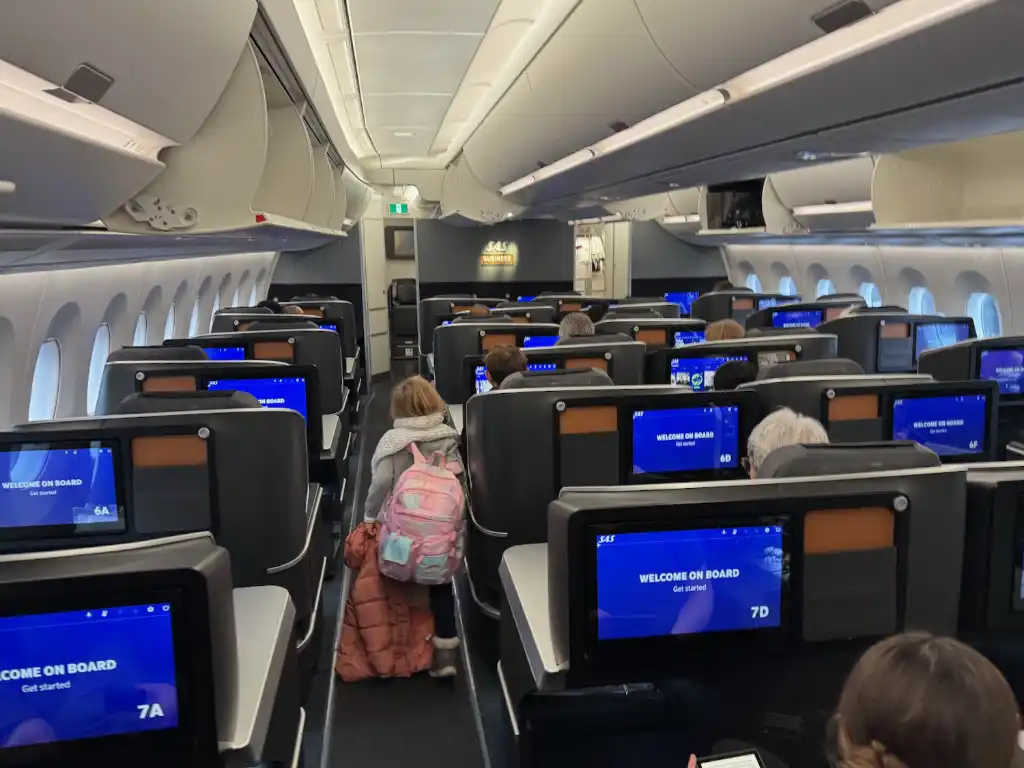
Widebody cabins create a different psychological environment. Two aisles, wider galleys, and multiple cabin zones introduce a sense of scale that changes how flight attendants move and think. Space allows for separation between work areas, but it also introduces distance, both physical and interpersonal. Crew members may work an entire sector without crossing paths, especially on aircraft like the Airbus A380 or Boeing 777, where cabins are divided by class, galley placement, and even decks.
This difference in spatial design affects situational awareness. On narrowbodies, flight attendants develop an almost instinctive sense of the entire cabin’s mood. On widebodies, awareness becomes sectional, relying heavily on communication protocols and structured briefings to maintain a shared operational picture.
Aircraft Size, Route Length, and Mission Identity
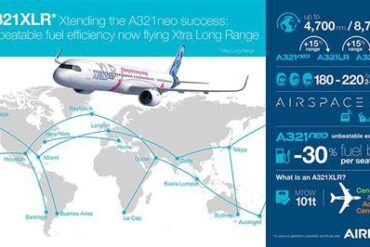
Narrowbody aircraft were historically designed for short hops, but modern variants have stretched those boundaries dramatically. Aircraft like the Airbus A321XLR now fly missions once reserved for widebodies, forcing cabin crews to adapt narrowbody workflows to long-haul realities. Despite this evolution, the fundamental design remains optimized for shorter duty cycles, where speed and efficiency dominate.
Widebody aircraft are unapologetically built for distance. Their cabins, systems, and staffing models assume long flight times, multiple service phases, and extended periods of low activity punctuated by intense workload. This difference shapes how flight attendants mentally frame their role. Narrowbody flying feels transactional and kinetic. Widebody flying feels custodial and procedural, with an emphasis on sustained performance rather than rapid execution.
The route length also affects passenger behavior. Short-haul passengers are impatient and time-focused, while long-haul passengers settle into a temporary airborne existence. Flight attendants adjust their communication style accordingly, shifting from brisk efficiency to calm reassurance depending on aircraft type.
Crew Size and Social Dynamics in the Cabin
Crew composition is where the contrast becomes unmistakable. Narrowbody flights typically operate with small teams, often between three and six flight attendants. These crews function like tight-knit units, where each member handles a wide scope of duties and must remain constantly adaptable. Collaboration is immediate and informal, with quick verbal exchanges and shared problem-solving happening in real time.
Because responsibilities are broad, individual accountability is high. A single flight attendant may oversee dozens of rows, multiple emergency exits, and an entire service sequence from start to finish. This creates a strong sense of ownership but also increases pressure, especially during irregular operations.
Widebody aircraft expand the crew dramatically. Long-haul flights may carry anywhere from eight to more than twenty cabin crew members, depending on aircraft type and passenger load. This scale introduces hierarchy and specialization. Roles are clearly defined, from pursers and inflight service managers to lead flight attendants assigned to specific cabins.
The social dynamic becomes more corporate. Professional distance replaces casual familiarity, and communication flows through structured channels rather than spontaneous collaboration. Many flight attendants describe widebody crews as efficient but impersonal, especially compared to the camaraderie of narrowbody flying.
Service Flow and Operational Tempo
Service on a narrowbody aircraft is a race against time. Short cruise phases mean that safety checks, meal or beverage service, and cabin cleanup must happen with precision and speed. There is little margin for error. Delays cascade quickly, and a single disruption can derail the entire service plan.
This environment rewards agility and improvisation. Flight attendants learn to anticipate needs before they are expressed and to multitask relentlessly. The physical demands are intense but brief, leaving crew members exhausted in short bursts rather than over extended periods.
Widebody service is a study in endurance. Meal services unfold over hours, often in multiple waves. The scale of the operation requires careful staging, inventory management, and coordination across galleys. The work is less frantic but more relentless, demanding sustained focus and energy management.
Fatigue on widebodies builds slowly and deeply. Flight attendants must pace themselves, balancing activity with rest while maintaining consistent service quality across long duty periods.
Fatigue Management and Crew Rest Realities
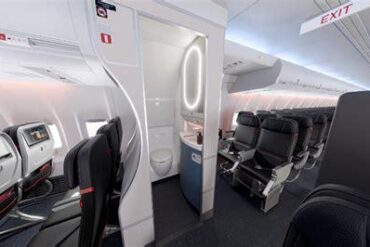
Fatigue is managed very differently between aircraft types. Narrowbody aircraft rarely include dedicated crew rest facilities, even on extended missions. Rest often means blocked passenger seats, curtained-off rows, or designated premium seats repurposed for crew use. While functional, these arrangements offer limited privacy and inconsistent sleep quality.
Widebody aircraft are engineered with crew rest in mind. Modern long-haul aircraft feature hidden rest compartments above or below the passenger cabin, equipped with bunks, curtains, and controlled lighting. These spaces allow flight attendants to achieve genuine restorative rest during ultra-long-haul flights, significantly improving alertness during critical phases.
The presence of dedicated rest areas also affects morale. Flight attendants consistently report higher job satisfaction on widebody flights where rest facilities are available, despite longer duty days.
Safety Responsibilities and Emergency Management
Safety is the constant across all aircraft, but its execution changes with scale. On narrowbody aircraft, fewer exits and fewer crew members mean each flight attendant carries immense responsibility. In an emergency, there is no redundancy. Every crew member must be proficient with all equipment and procedures, ready to act decisively without hesitation.
The evacuation flow on a narrowbody is direct but intense. Managing passenger behavior in confined spaces requires authority, clarity, and physical presence. Training emphasizes individual competence and rapid decision-making.
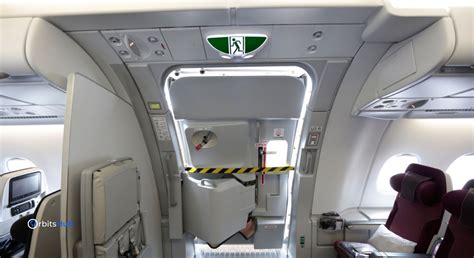
Widebody safety operations are distributed. Multiple aisles, divided cabins, and a larger crew allow for specialized roles during emergencies. Some flight attendants focus exclusively on door operation, while others manage crowd control or assist passengers in bottleneck areas.
This complexity demands exceptional Crew Resource Management, where communication and coordination are paramount. The margin for error is different, but the stakes are higher due to passenger volume.
Training Demands and Professional Adaptability
Transitioning between narrowbody and widebody fleets requires significant retraining. Each aircraft type introduces unique systems, door mechanisms, and emergency procedures. Widebody aircraft, in particular, demand mastery of complex equipment and familiarity with multiple cabin configurations.
Flight attendants often describe widebody qualification as a career milestone, reflecting the increased responsibility and prestige associated with long-haul flying. Narrowbody expertise, however, is equally respected for its intensity and operational precision.
The most experienced flight attendants are those who can move fluidly between both environments, adapting their mindset and skill set to the aircraft beneath their feet.
The Emotional Texture of Each Aircraft Type
Beyond procedures and schedules, there is an emotional difference. Narrowbody flying feels immediate and human, with constant interaction and visible impact. Success is measured in minutes saved and problems solved on the fly.
Widebody flying feels expansive and contemplative. Time stretches, routines repeat, and relationships with passengers evolve over hours rather than moments. The satisfaction comes from maintaining stability and professionalism across long, demanding journeys.
Neither experience is superior. They appeal to different temperaments and career goals, offering flight attendants diverse ways to engage with the same profession.
Why Aircraft Type Shapes Identity in the Cabin
For flight attendants, the aircraft is not just a workplace; it is a framework that shapes identity. Narrowbody crews pride themselves on speed, adaptability, and teamwork. Widebody crews value structure, endurance, and procedural excellence.
As airlines continue to blur the boundaries between these categories, flight attendants remain the constant, adapting to new aircraft capabilities while preserving the core mission of safety and care. The aisle count may change, but the professionalism required never does.
Understanding these striking differences reveals why flight attendants speak of narrowbody and widebody flying not as preferences, but as distinct chapters in an aviation career shaped by metal, miles, and human resilience.