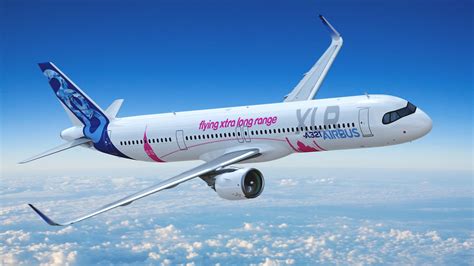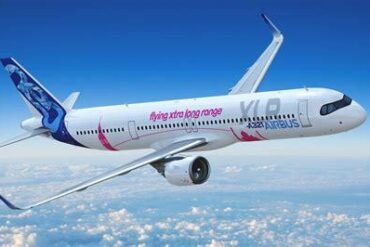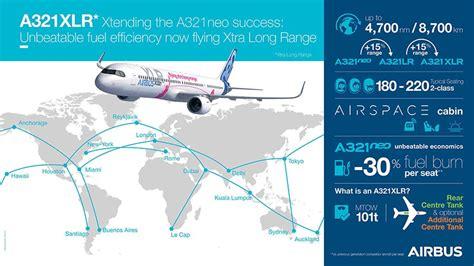
Airlines globally are racing to acquire the Airbus A321XLR, a narrowbody aircraft rewriting the rules of long-range aviation. Offering a remarkable range of 5,400 miles and capable of nearly 11 hours of continuous flight, the A321XLR effectively bridges a market segment once monopolized by the aging Boeing 757. Airbus, identifying Boeing’s failure to update its mid-market offering, swiftly developed this next-generation aircraft that promises 30% greater fuel efficiency per seat than its American predecessor. In a fiercely cost-conscious industry, this efficiency represents a seismic shift.
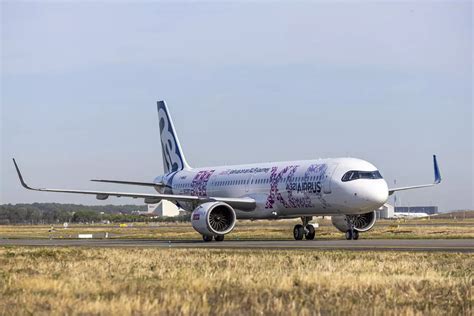
The Middle of the Market Problem: How Boeing Lost Ground
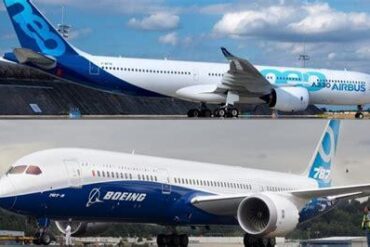
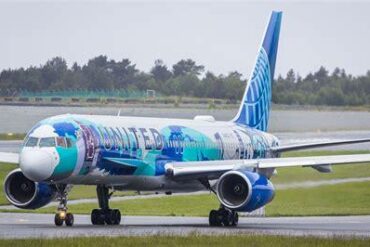
Historically, the Boeing 757 dominated the ‘middle-of-the-market’ niche, capable of flying transatlantic routes without requiring the size or overhead of a widebody jet. Airlines leveraged its flexibility for over three decades. However, Boeing’s failure to develop a true 757 successor left airlines stuck with aging fleets, pushing them toward inefficient operational costs. Enter Airbus, which aggressively filled this vacuum with the A321XLR, outperforming the 757 not only in range but also in fuel economy and cabin versatility.
While Boeing’s 737 MAX 10 theoretically competes in this space, its lack of certification and inferior range (approximately 3,300 miles) disqualify it from replacing the transatlantic role of the 757. Boeing’s strategic miscalculation effectively ceded a lucrative market segment to Airbus.
Expanding Direct City Connections with the A321XLR
The operational versatility of the A321XLR redefines route planning for airlines. Instead of funnelling passengers through large hubs like London Heathrow or New York JFK, airlines can now offer nonstop long-haul flights between smaller cities once considered unprofitable. This decentralization of air routes reshapes passenger convenience and network strategies alike.
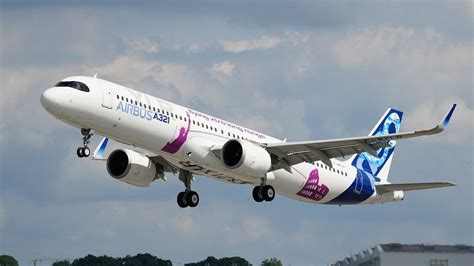
Consider Icelandair, an early adopter aggressively transitioning its fleet by replacing aging 757s with 13 A321XLR aircraft by 2029. Icelandair’s strategic advantage as a transatlantic stopover hub enhances the XLR’s value proposition. The airline’s current A321LR flights reach Seattle and Toronto, but the XLR’s extended range opens direct service possibilities to cities like Rome, Zurich, and Munich — routes previously impractical without a widebody jet.
Cabin Flexibility: A Solution for Legacy and Low-Cost Carriers
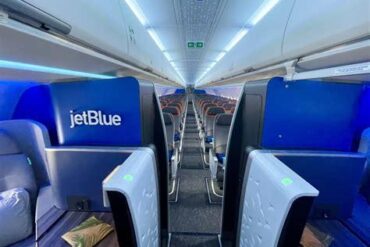
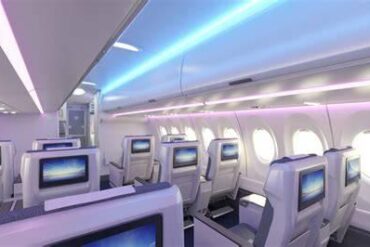
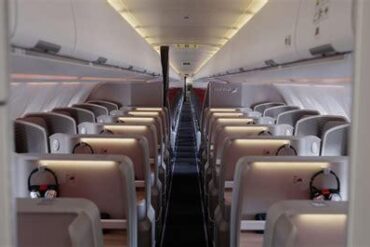
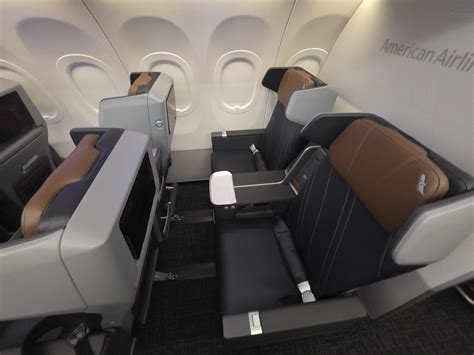
A standout feature of the A321XLR is its cabin configuration flexibility. Legacy carriers, including American Airlines and United Airlines, are equipping their XLR fleets with lie-flat business class seats, elevating transatlantic single-aisle travel to widebody comfort standards. In contrast, ultra-low-cost carriers like Wizz Air are opting for dense all-economy layouts, maximizing seat count to drive down fares.
This dual-model adaptability means the XLR isn’t confined to premium or budget market sectors; it serves both with equal effectiveness. Airlines can shift configurations according to route profitability models, making the A321XLR a near-universal solution in fleet planning.
Operational Efficiency and Environmental Benefits
From a technical standpoint, the Airbus A321XLR is powered by highly efficient engines, such as the CFM International LEAP-1A or Pratt & Whitney PW1100G, both designed to reduce fuel burn while minimizing environmental impact. The aircraft features a new permanent Rear Centre Tank (RCT), enabling its impressive range without sacrificing passenger capacity or comfort.
This efficiency equates to substantial carbon emissions reduction per seat compared to older aircraft like the 757 or even newer widebodies used inefficiently on thin long-haul routes. Airlines adopting the XLR can directly report improved sustainability metrics — a decisive factor in today’s ESG-focused industry environment.
Airbus’ Commercial Success: Over 550 Orders Secured
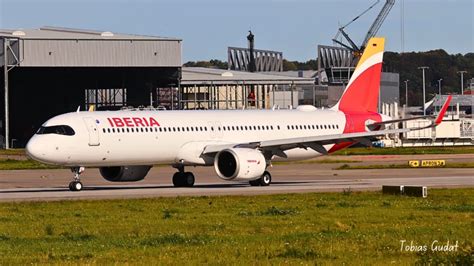
Airbus’ market gamble has paid off handsomely. With over 550 orders secured from carriers globally, the A321XLR’s success is indisputable. Major customers include:
- American Airlines
- United Airlines
- Iberia Airlines (first customer to receive delivery in October 2024)
- Wizz Air
- Icelandair
Each customer approaches the XLR from distinct operational philosophies, yet all converge on its unmatched efficiency and range. In contrast, Boeing’s 737 MAX 10 lags significantly, both in technical capabilities and regulatory progress.
Strategic Implications for the Aviation Industry
The success of the Airbus A321XLR signals a paradigm shift in long-haul aviation strategy. Airlines now prioritize smaller aircraft with extended range capabilities over the traditional reliance on large widebodies for long-haul connections. This trend, known as “long, thin route optimization,” enables cost reductions while expanding global connectivity.
For Boeing, the strategic failure to address this mid-market sector forces a critical reassessment of its development pipeline. Despite discussions around a potential “New Midsize Airplane (NMA),” no concrete progress has materialized. The commercial dominance of Airbus in this sector, bolstered by aggressive production and marketing strategies, cements its market leadership for the foreseeable future.
Conclusion: The A321XLR Redefines Market Expectations
The Airbus A321XLR is not merely a technical marvel; it represents a strategic masterstroke in capturing a neglected market niche. Its combination of long-range capability, operational efficiency, cabin flexibility, and environmental benefits makes it the undisputed successor to the venerable Boeing 757. Airlines are no longer constrained to oversized aircraft or multi-stop journeys. Instead, they can deploy the XLR to open direct city pairs, optimize fuel consumption, and adapt cabin configurations to shifting market demands.
In the battle between Airbus and Boeing for middle-of-the-market supremacy, the A321XLR has effectively secured victory — not through revolution, but through calculated evolution.