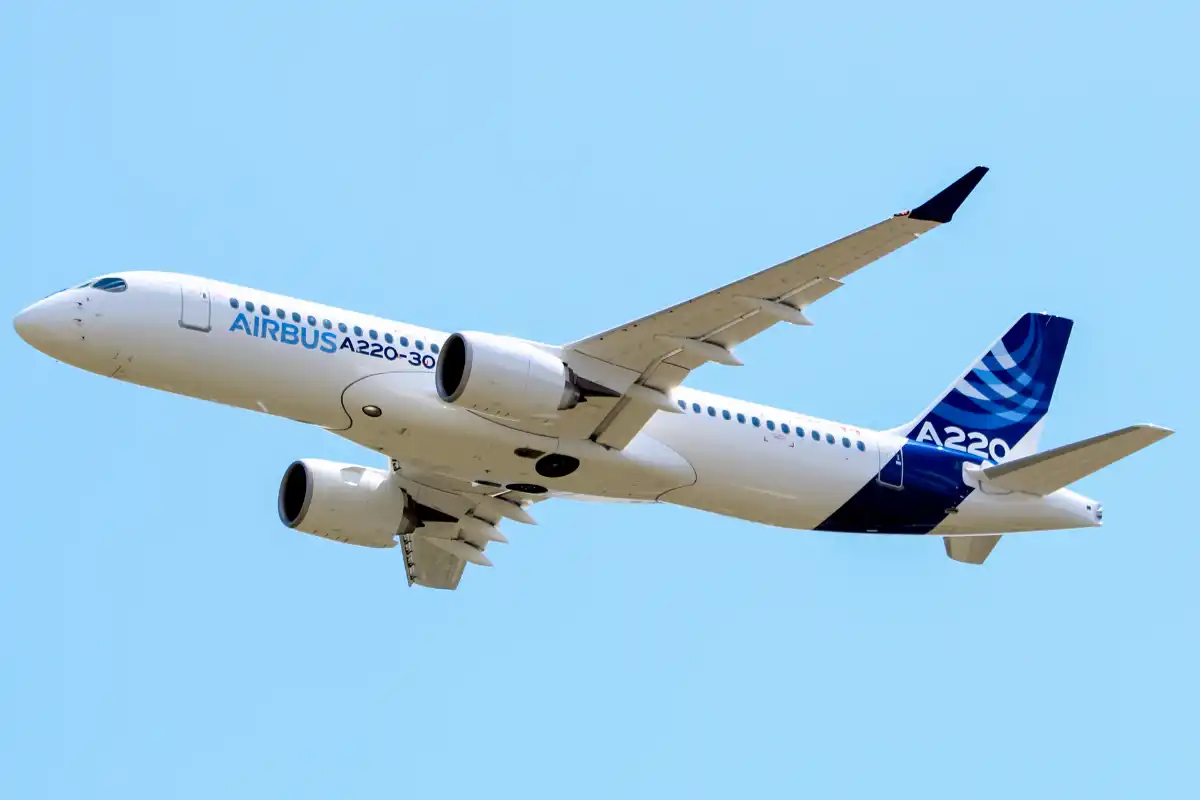
The global aviation industry has long been defined by a duopoly—two giants shaping the skies, dictating innovation cycles, and fiercely competing for airline loyalty. Yet, every so often, a disruptive aircraft emerges that doesn’t just compete—it redefines expectations. The Airbus A220 is precisely that kind of aircraft. Built from a clean sheet and engineered with a singular focus on efficiency, comfort, and adaptability, it is quietly but decisively reshaping the narrowbody market. For Boeing, this isn’t just another competitor—it’s a strategic headache that could deepen over the next decade.
A Clean-Sheet Advantage That Changes Everything
The most critical factor separating the A220 from its rivals is its origin. Unlike legacy aircraft families that have evolved through incremental upgrades, the A220 was designed from the ground up in the 21st century. This clean-sheet approach enables a level of optimization that retrofitted platforms simply cannot match.
Where older designs must work within the constraints of decades-old airframes, the A220 integrates advanced aerodynamics, cutting-edge materials, and modern avionics as a cohesive system. The result is not just marginal gains, but a leap forward in performance metrics—lower fuel burn, reduced noise, and significantly improved operational efficiency.
This matters more than it might seem. Airlines are under relentless pressure to cut costs while meeting environmental expectations. The A220 delivers on both fronts, offering a compelling package that makes older narrowbody aircraft feel increasingly outdated.
Passenger Experience: A Quiet Revolution in the Cabin
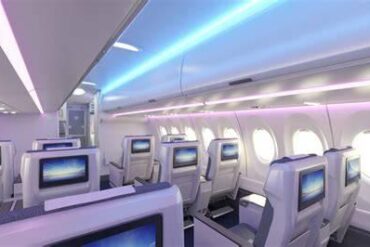
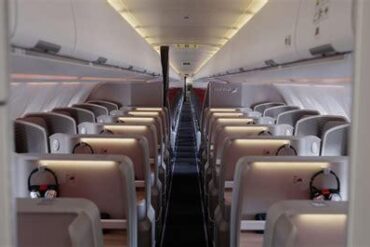
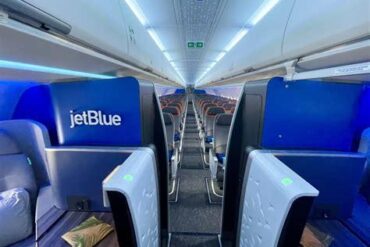
While airlines ultimately decide how to configure interiors, the A220 provides a superior baseline that enhances passenger experience across the board. Wider seats, larger windows, and thoughtfully designed overhead bins create an environment that feels closer to a widebody than a regional jet.
The cabin’s layout reduces the dreaded middle-seat discomfort, while improved pressurization and noise levels contribute to a noticeably smoother journey. For passengers, this translates into a more pleasant flight. For airlines, it means higher customer satisfaction and stronger brand differentiation.
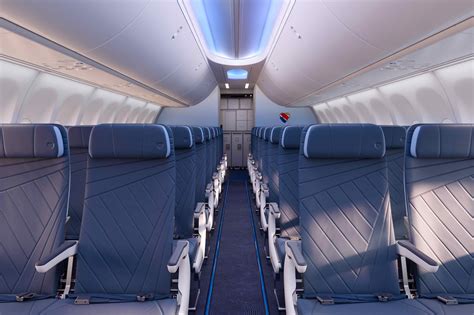
This focus on comfort is not merely aesthetic—it’s strategic. As airlines compete increasingly on experience rather than just price, aircraft that naturally enhance passenger perception gain a subtle but powerful advantage.
Efficiency That Redefines Airline Economics
At the heart of the A220’s appeal lies its economic performance. Airbus claims operating costs per seat are roughly 25% lower than previous-generation aircraft in its class. That figure alone explains why airlines are paying close attention.
Fuel efficiency, driven in part by Pratt & Whitney PW1500G geared turbofan engines, plays a central role. These engines optimize fuel consumption while reducing emissions and noise, aligning perfectly with the industry’s sustainability goals. Combined with lightweight composite wings and an aluminum-lithium fuselage, the aircraft achieves a balance between strength and efficiency that maximizes range and payload.
For airlines, this opens up new possibilities. Routes that were once considered unprofitable suddenly become viable. Lower costs mean more flexibility in pricing, scheduling, and network expansion. It’s not just about saving money—it’s about unlocking new revenue streams.
The Strategic Bet on Frequency Over Capacity
One of the more subtle yet profound implications of the A220 is how it aligns with evolving airline strategies. The traditional model of maximizing capacity on fewer flights is gradually giving way to a preference for higher frequency services.
The A220 fits perfectly into this shift. Its smaller size allows airlines to operate more flights with lower risk, filling seats more consistently while offering passengers greater flexibility. This approach is particularly effective in competitive markets where convenience often outweighs sheer capacity.
By enabling airlines to serve secondary cities and niche routes, the A220 expands network possibilities in ways larger aircraft cannot. It becomes not just a plane, but a strategic tool for reshaping route maps.
A Market Segment Boeing Cannot Ignore
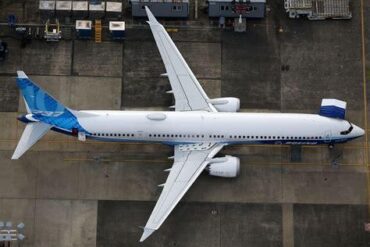
Boeing’s current narrowbody lineup, particularly the 737 MAX family, faces an inherent limitation—it is built on a legacy platform. While the MAX series incorporates modern engines and avionics, it cannot fully escape the constraints of its original design.
This creates a gap in the lower end of the market, where the A220 thrives. The A220-100 and A220-300 cover a seating range that overlaps partially with Boeing’s offerings but does so with superior efficiency and comfort.
Airbus has capitalized on this gap, capturing approximately 55% of the small jet airliner market. That’s not just a statistic—it’s a signal. Airlines are voting with their orders, and the A220 is winning.
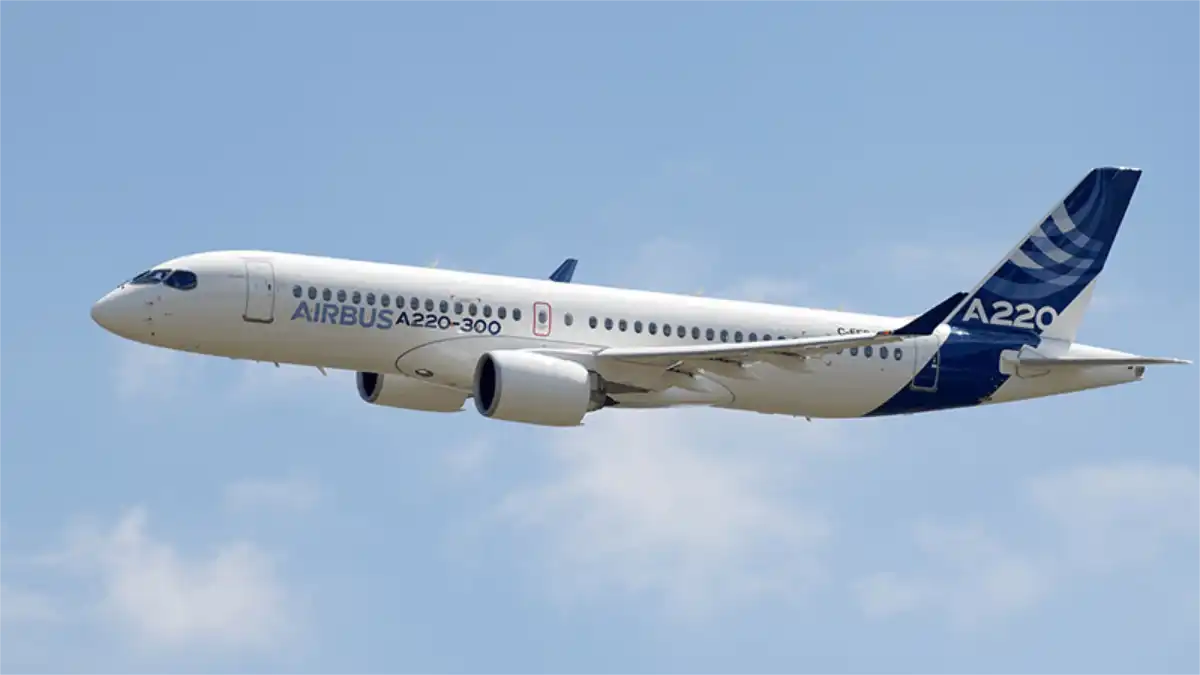
For Boeing, the absence of a true clean-sheet competitor in this segment becomes increasingly problematic. Developing a new aircraft is costly and time-consuming, yet failing to respond risks ceding even more market share.
Variants That Expand Market Reach
The A220 family currently consists of two main variants, each tailored to different operational needs. The A220-100 serves as a “route opener,” ideal for smaller markets and shorter routes. Its lower capacity and high efficiency make it a low-risk option for airlines exploring new destinations.
Meanwhile, the A220-300 acts as a “network builder,” offering greater capacity while retaining the same efficiency advantages. Its versatility allows it to operate both regional and medium-haul routes, bridging the gap between traditional regional jets and larger narrowbodies.
This dual-variant strategy enhances the aircraft’s appeal. Airlines can deploy the A220 across a wide range of scenarios, simplifying fleet planning while maximizing operational flexibility.
Sustainability: A220’s Silent Power Play
Environmental concerns are no longer optional in aviation—they are central to long-term viability. The A220 positions itself as a forward-looking solution, aligning with the industry’s push toward sustainability.
The aircraft is already certified to operate with a 50% blend of sustainable aviation fuel (SAF), and Airbus is working toward enabling 100% SAF capability by 2030. Demonstration flights using SAF blends have showcased the aircraft’s readiness for a lower-carbon future.
This is more than a technical milestone. It’s a narrative advantage. Airlines increasingly seek aircraft that support their environmental commitments, and the A220 delivers a credible pathway toward decarbonization.
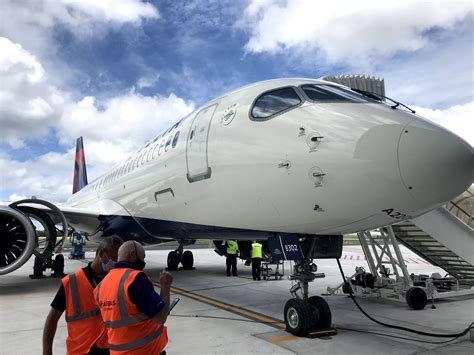
In a world where regulatory pressure and public perception are intensifying, sustainability is becoming a competitive differentiator—and the A220 is well positioned to lead.
Operational Track Record and Real-World Adoption
The A220’s growing presence in airline fleets underscores its success. With hundreds of orders and deliveries already completed, the aircraft has proven its capabilities in real-world operations.
Major carriers have embraced it as a core part of their strategy. Its ability to integrate seamlessly into diverse networks makes it an attractive choice for both legacy airlines and low-cost carriers.
Operationally, the aircraft has demonstrated strong reliability, with only isolated incidents that were quickly addressed. While no aircraft is immune to challenges, the A220’s track record reinforces confidence among operators.
Challenges That Could Shape Its Future
Despite its strengths, the A220 is not without challenges. Production issues, particularly involving supply chain components, have occasionally slowed output. Ensuring consistent manufacturing performance will be critical as demand grows.
Engine-related concerns have also surfaced in the past, highlighting the complexities of introducing advanced propulsion systems. While these issues have been resolved, they serve as reminders that innovation often comes with risks.
Additionally, internal competition within Airbus’s own lineup presents a unique dynamic. The A220 has, to some extent, overlapped with smaller variants of the A320 family, raising questions about long-term positioning.
The A220-500: A Potential Game Changer
Looking ahead, the most intriguing development is the potential introduction of a stretched A220 variant, often referred to as the A220-500. This aircraft could significantly expand the program’s reach, targeting a segment currently dominated by larger narrowbodies.
If realized, the A220-500 would bring the same efficiency and comfort advantages to a higher-capacity market, directly challenging aircraft like the 737-800 and 737 MAX 8. This would not just intensify competition—it could redefine it.
However, the success of this variant depends on Airbus’s ability to resolve production constraints and ensure the platform can scale effectively. The stakes are high, but so is the potential reward.
Why Boeing Should Be Concerned
The A220 represents more than a single aircraft—it embodies a shift in how narrowbody planes are designed, marketed, and utilized. Its clean-sheet architecture, combined with strong economic performance and passenger appeal, gives it a structural advantage over legacy platforms.
For Boeing, the challenge is multifaceted. Competing directly would require significant investment in a new aircraft program. Yet delaying action risks allowing Airbus to consolidate its lead in a critical market segment.
The A220 also influences airline expectations. Once carriers experience its efficiency and flexibility, the benchmark for future aircraft rises. Meeting those expectations with incremental upgrades becomes increasingly difficult.
A New Era in Narrowbody Competition
The emergence of the A220 signals the beginning of a new chapter in aviation. It challenges long-standing assumptions about aircraft design and forces manufacturers to rethink their strategies.
Airlines, in turn, gain access to a tool that enhances profitability, expands network possibilities, and improves passenger experience—all at once. That combination is rare, and it explains why the A220 is gaining momentum.
For Boeing, the path forward is clear but complex. Adapting to this new reality will require bold decisions, significant investment, and a willingness to embrace innovation at the same scale.
The skies are changing, and the A220 is one of the aircraft leading that transformation.