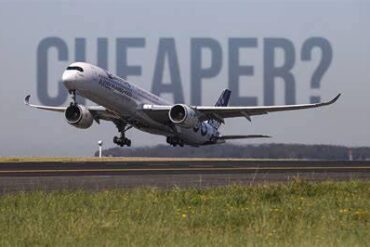
The claim that the Airbus A220 has a 25% lower seat-mile cost than the Boeing 737 MAX sounds dramatic, but the reality is more nuanced. In aviation economics, headline percentages often depend on which variants are being compared, how many seats are installed, route length, labor contracts, fuel prices, and whether the comparison uses older aircraft as the benchmark.
The short answer: No, it is not broadly true that the Airbus A220 has a 25% lower seat-mile cost than the Boeing 737 MAX family as a whole. In certain narrow comparisons, especially against the 737 MAX 7, the A220 can hold a meaningful advantage. But against the larger and more commercially dominant 737 MAX 8, the gap becomes much smaller—and in some missions, the Boeing can outperform the A220 on a per-seat basis.
Understanding why requires looking beyond marketing claims and into how airlines actually make money.
What Seat-Mile Cost Really Means
Seat-mile cost, often measured as CASM (Cost per Available Seat Mile), is one of the most important metrics in airline planning. It calculates how much it costs to fly one seat for one mile, whether that seat is sold or empty.
A lower seat-mile cost usually means better efficiency, but only when matched with demand. A larger aircraft can have lower CASM simply because fixed costs are spread across more seats.
For example:
- Two pilots are required whether the aircraft has 140 seats or 180 seats.
- Airport fees may not rise proportionally with capacity.
- Maintenance planning often benefits larger fleets.
- Fuel burn rises with size, but not always as fast as seat count.
That means more seats can reduce cost per seat, even if total trip cost is higher.
Where the 25% Claim Came From
The widely repeated 25% lower per-seat cost figure did not originate as a blanket comparison against all Boeing 737 MAX aircraft. It came from comments tied to comparisons with older generation narrowbodies, such as:
- Airbus A319ceo
- Boeing 737-700NG
Those aircraft were designed decades earlier and use less efficient engines and older aerodynamics.
When the A220-300 is compared against those older jets, a major cost improvement is believable. But comparing it directly against the latest 737 MAX models changes the equation significantly.
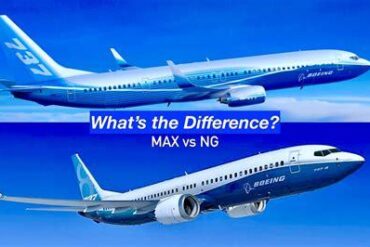
The Boeing 737 MAX family uses advanced CFM LEAP engines, aerodynamic improvements, and modern cabin layouts that narrow the gap.
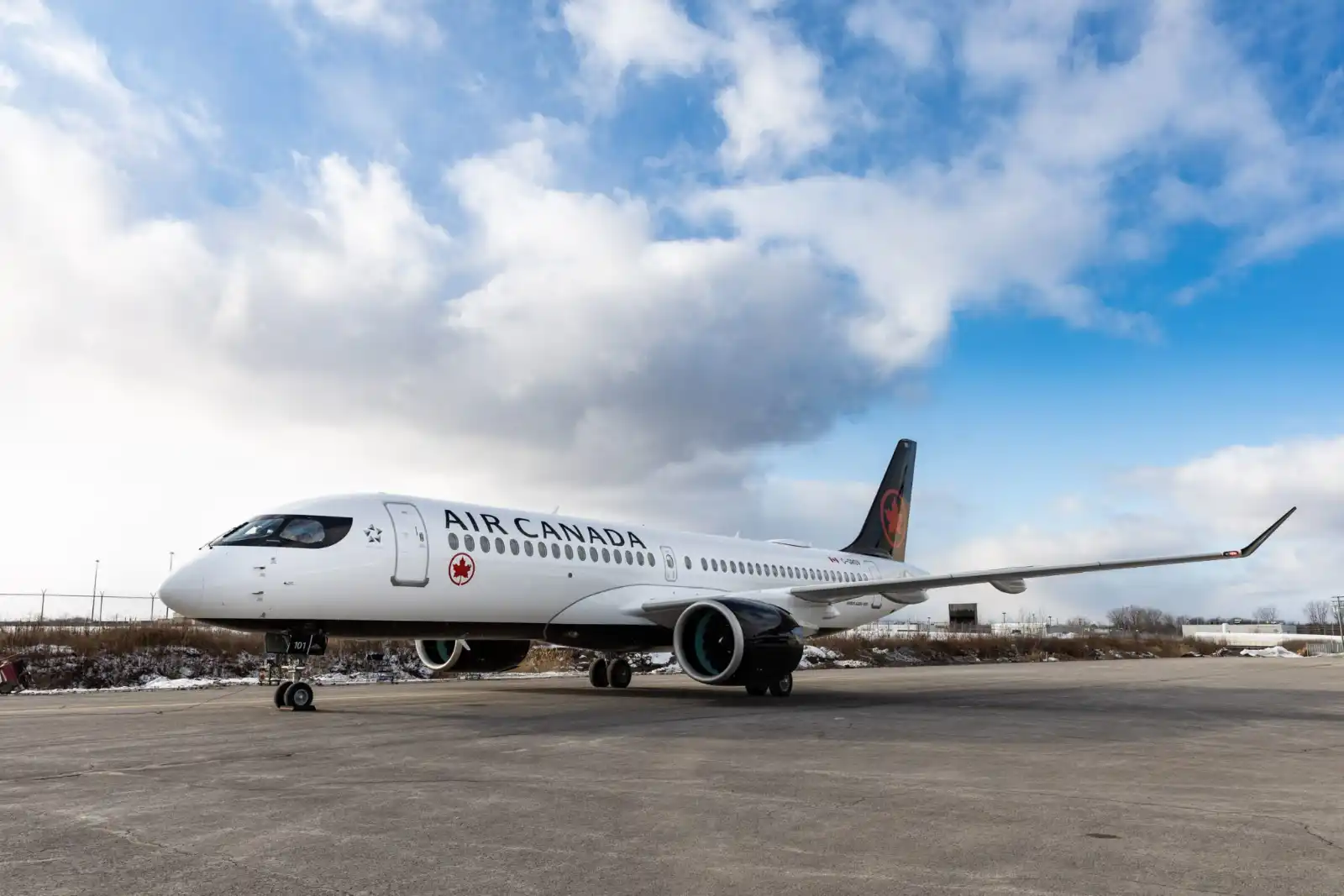
Airbus A220 vs Boeing 737 MAX 7: Where the A220 Shines
If the comparison is specifically A220-300 vs 737 MAX 7, the Airbus has a strong case.
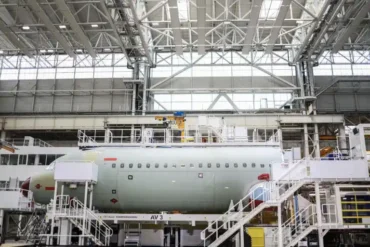
The reason is structural design. The A220 was originally developed by Bombardier as a clean-sheet aircraft sized specifically for the 100–150 seat market. It was not downsized from a larger jet. That matters.
The 737 MAX 7, by contrast, is effectively a shrink of the MAX 8. It carries much of the structure, landing gear logic, and platform compromises of the larger aircraft.
That can mean:
- Higher empty weight relative to capacity
- Less optimized economics in the smallest variant
- Lower efficiency on thin routes
As a result, the A220 can often beat the MAX 7 in fuel burn and seat economics, particularly on medium-range missions.
This explains why the A220 has attracted far more orders than the MAX 7.
Why the 737 MAX 8 Changes the Story
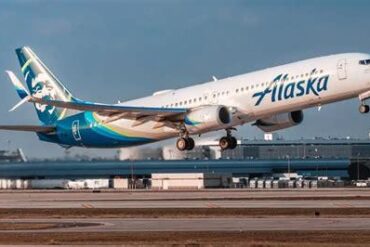
The 737 MAX 8 is the heart of Boeing’s narrowbody strategy. It offers significantly more seats than the A220-300 while maintaining strong efficiency.
That extra capacity matters enormously.
A MAX 8 may burn more total fuel than an A220, but if it carries 25 to 40 more passengers, the cost per seat can be highly competitive—or even lower.
This is why many airlines prefer the MAX 8 over smaller aircraft. If demand exists, the economics are compelling.
In simple terms:
- A220 wins on lower trip cost
- MAX 8 often wins on lower cost per seat
Those are not the same thing.

Trip Cost vs Seat Cost: The Real Airline Decision
Many readers assume airlines buy the cheapest plane to operate. They do not. They buy the plane that produces the best profit.
That means balancing:
- Purchase price
- Lease rates
- Fuel burn
- Crew cost
- Maintenance reliability
- Cargo revenue
- Passenger demand
- Schedule flexibility
An A220 might cost less to fly on a lightly served route. But if a MAX 8 can fill more seats and earn more revenue, the Boeing may be the better business choice.
This is why fleet planning teams are paid serious money—and why internet arguments are often free.
Why the A220 Is Popular Anyway
Despite the complexity, the A220 has been a genuine market success.
It offers several real strengths:
Cabin Comfort
Passengers often praise the A220 for:
- Wider seats than many competitors
- Large windows
- Modern cabin design
- Lower noise levels
That may not show directly in CASM spreadsheets, but passenger satisfaction matters.
Thin Route Efficiency
The A220 is ideal for:
- Medium-demand city pairs
- Long thin routes
- Replacing aging A319s and 737-700s
- Opening new markets with lower risk
Fleet Gap Coverage
Many airlines need something between a regional jet and a larger A320neo or 737 MAX 8. The A220 fits that gap neatly.
Why Some Airlines Prefer Larger Jets
Airlines in North America increasingly favor upgauging—using larger aircraft with more seats.
Why?
Because if airport slots are limited or demand is strong, flying one larger aircraft instead of two smaller ones can improve margins.
For example:
- More premium seats
- More baggage revenue
- Lower crew cost per passenger
- Better use of gates and slots
That trend benefits:
- Airbus A321neo
- Boeing 737 MAX 8
- Boeing 737 MAX 10
It can make smaller narrowbodies less attractive unless the route truly needs right-sized capacity.
The Engine Reliability Problem No One Ignores
The A220’s economics look excellent on paper, but aircraft only earn money when flying.
The fleet has faced significant issues tied to the Pratt & Whitney PW1500G geared turbofan, including inspections, removals, and grounding events tied to broader engine family durability concerns.
That creates real costs:
- Spare aircraft needs
- Disrupted schedules
- Lease replacement expenses
- Maintenance uncertainty
- Lower fleet utilization
An efficient aircraft sitting on the ground has perfect fuel burn—and zero revenue.
That has slowed momentum for some prospective customers.
Is the A220 Better Than the 737 MAX?
That depends entirely on mission profile.
Choose the A220 if an airline needs:
- Lower trip cost
- 100–150 seat flexibility
- New route development
- Premium passenger comfort
- Replacement for A319 or 737-700 fleets
Choose the 737 MAX if an airline needs:
- Higher capacity
- Commonality with existing 737 fleets
- Strong per-seat economics at scale
- Broad global support network
- High-demand route efficiency
Neither aircraft “wins” universally.
Final Verdict: Is the 25% Lower Seat-Mile Cost Claim True?
Not as a blanket statement.
If comparing the A220-300 with older aircraft or the compromised 737 MAX 7, the A220 can deliver a substantial advantage and in some cases approach that headline number.
But against the 737 MAX 8, which is Boeing’s core seller and the model many airlines actually compare against, the gap is far smaller. In some operations, the MAX 8’s added seating capacity can equalize or surpass the A220 in seat-mile economics.
So the accurate conclusion is this:
The Airbus A220 is exceptionally efficient in its size category, but it does not universally offer a 25% lower seat-mile cost than the Boeing 737 MAX family.
That claim is best understood as a selective comparison, not an industry-wide truth.
Why This Debate Matters
Aircraft economics shape ticket prices, route maps, airline profits, and even whether smaller cities keep air service. The A220 and 737 MAX represent two different philosophies:
- Right-sized efficiency (A220)
- High-capacity scale economics (737 MAX)
Both strategies can work brilliantly when matched to the right market.
And in aviation, the right airplane is rarely the one with the loudest marketing slide.