US airlines entered 2025 expecting a financial tailwind from declining fuel prices, but the year ultimately exposed deeper structural pressures across the industry. Despite billions saved on jet fuel expenses, major carriers saw profitability weaken as labour costs surged, domestic fares softened, and competition intensified across the US market. The latest data from the US Bureau of Transportation Statistics painted a picture of an industry still carrying strong passenger demand, yet increasingly unable to translate that demand into stronger margins.
Systemwide after-tax net profit for US scheduled passenger airlines fell to $6.0 billion in 2025, down from $6.7 billion in 2024, while pre-tax operating profit dropped sharply from $13.5 billion to $11.4 billion. The decline highlighted how airlines are now battling a very different economic environment from the immediate post-pandemic recovery years, when explosive travel demand and constrained capacity allowed carriers to command unusually high fares.
Operating margins also deteriorated noticeably. Industry operating margin declined from 5.5% to 4.5%, while net margin slipped from 2.7% to 2.4%. Although those figures still reflect a profitable sector overall, they underscored how quickly financial conditions tightened during 2025.
The most striking development was the changing balance between fuel and labour costs. Fuel expenses represented a smaller portion of airline operating costs throughout the year, yet labour inflation accelerated rapidly enough to erase much of the benefit carriers hoped to gain from cheaper oil.
Lower Fuel Prices Failed to Deliver the Profit Boost Airlines Expected
Fuel historically represents one of the largest and most volatile costs for airlines, making falling oil prices a major advantage under normal circumstances. In 2025, fuel costs accounted for 16.8% of total operating expenses, down from 18.8% in 2024. Total systemwide fuel spending reached $40.4 billion, giving airlines meaningful relief compared with previous years of elevated energy prices.
However, that improvement did not translate into stronger bottom-line performance because airlines simultaneously faced mounting wage pressures across virtually every operational category. Pilots, flight attendants, mechanics, dispatchers, and airport staff all benefited from aggressive new labour agreements signed after years of staffing shortages and intense union negotiations.
Labour expenses climbed to $91.2 billion in 2025, representing 37.8% of total operating expenses, compared with 36.4% the year before. The increase reinforced a major shift underway within the airline business, where labour inflation has increasingly overtaken fuel as the industry’s dominant financial pressure point.
For airlines, the challenge became especially severe because labour costs are significantly less flexible than fuel expenses. Carriers can hedge fuel or reduce flying during periods of weaker demand, but long-term union contracts and staffing requirements leave far less room to cut labour spending quickly.
This dynamic created a difficult operating environment in which airlines continued carrying large passenger volumes while simultaneously generating weaker profitability.
Domestic US Airline Markets Became the Industry’s Weakest Segment
The sharpest deterioration occurred in the domestic market, where aggressive competition and excess seat capacity eroded pricing power throughout 2025.
Domestic after-tax net income fell dramatically from $4.6 billion in 2024 to $3.2 billion in 2025, while domestic operating profit declined from $9.5 billion to $7.2 billion. Domestic operating margin dropped from 5.2% to 3.9%, reflecting growing pressure on airline yields across the United States.
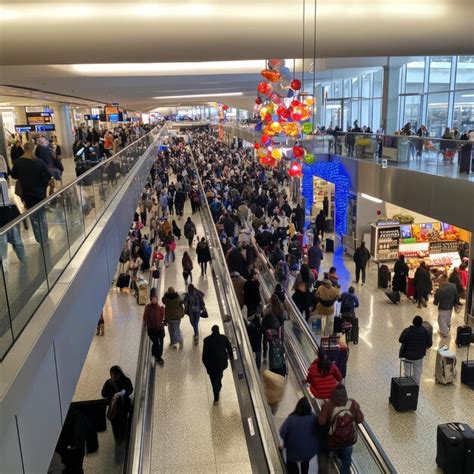
The domestic weakness reflected several overlapping trends. Full-service airlines expanded capacity aggressively on major routes while ultra-low-cost carriers continued competing heavily on fares. At the same time, the extraordinary domestic travel boom that followed the pandemic continued normalising, reducing airlines’ ability to sustain elevated ticket prices.
Although passenger demand remained relatively healthy overall, airlines increasingly struggled to maintain the strong revenue per seat levels seen during the peak recovery years. Consumers also became more price sensitive as broader economic pressures affected discretionary travel spending.
Fuel expenses inside domestic operations dropped from 17.1% to 15.2% of operating costs, but labour expenses climbed from 36.3% to 37.5%, offsetting much of the savings. Airlines therefore found themselves trapped between softer fares and rising operational expenses, a combination that significantly weakened profitability on domestic networks.
Several carriers responded by adjusting schedules, trimming underperforming routes, and shifting more aircraft toward international markets where yields remained substantially stronger.
International Flying Emerged as the Main Driver of Airline Earnings
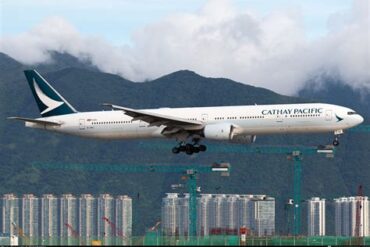
While domestic profitability weakened, international operations became the industry’s strongest financial performer in 2025. Long-haul international routes, particularly across the Atlantic, continued generating strong premium demand and healthier yields than most domestic services.
International after-tax net income rose from $2.1 billion in 2024 to $2.9 billion in 2025, while international operating profit improved slightly from $4.0 billion to $4.1 billion. International operating margin edged up from 6.3% to 6.4%, making overseas flying the most resilient segment for major US carriers.
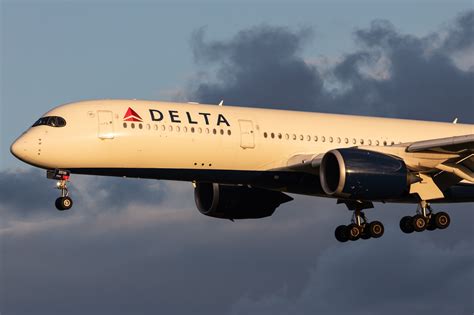
The strength of international operations reflected the continued recovery of long-haul leisure travel as well as sustained corporate demand for premium cabin products. Airlines spent much of 2025 expanding premium economy seating, upgrading business-class cabins, and refurbishing widebody aircraft to capture higher-yield passengers on international routes.
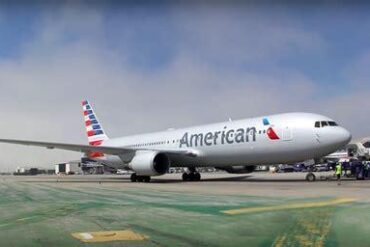
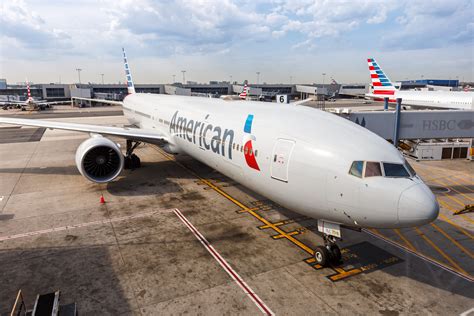
Transatlantic markets remained especially lucrative, supported by strong US-Europe travel demand and premium leisure traffic. Carriers including American Airlines, Delta Air Lines, and United Airlines increasingly focused network growth on overseas flying where profitability remained more stable.
Even though labour costs within international operations also increased sharply, rising from 36.8% to 38.7% of expenses, stronger ticket pricing and premium demand helped offset those pressures more effectively than in domestic markets.
The result was a growing strategic divide inside the airline industry. Domestic flying increasingly became a lower-margin volume business, while international and premium-heavy operations evolved into the primary engines of profitability.
Rising Costs and Fuel Volatility Could Create More Pressure in 2026
The financial trends seen in 2025 may only represent the beginning of a more challenging period for US airlines. While lower fuel prices helped cushion results during much of the year, geopolitical instability and renewed volatility in global energy markets during 2026 have already introduced fresh uncertainty for carriers.
At the same time, airlines continue facing rising wage obligations tied to recently negotiated labour agreements. Those costs are expected to remain elevated for years, especially as airlines compete aggressively for pilots and technical workers amid ongoing staffing shortages.
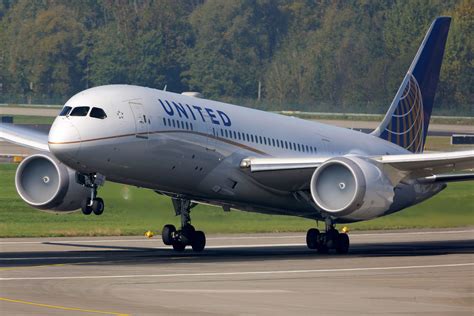
For many US airlines, the path forward increasingly depends on expanding premium international travel while carefully managing weaker domestic margins. The industry remains profitable overall, but the easy post-pandemic recovery phase has clearly ended. Airlines are now entering a far more competitive era where operational efficiency, international network strength, and premium passenger revenue may determine which carriers maintain strong financial performance in the years ahead.