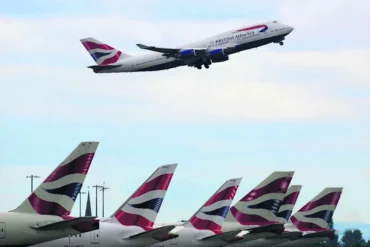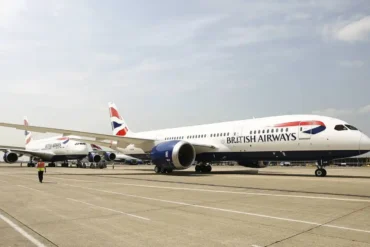
The surge in profits at International Airlines Group (IAG) signals more than a cyclical rebound. It reflects a structural shift in how passengers are traveling—and what they are willing to pay for. In 2025, the parent company of British Airways, Aer Lingus, Iberia, LEVEL, and Vueling delivered a performance that underscored the power of premium cabins and transatlantic dominance. While the global aviation sector remains exposed to geopolitical tensions, tariff disputes, and airspace constraints, IAG’s financial results reveal a carrier group that has aligned capacity, product, and pricing with precision.
The numbers speak with rare clarity. IAG’s full-year revenue rose 3.5% to €33.213 billion, up from €32.1 billion in 2024. At first glance, that revenue growth appears measured. But beneath the surface, profitability expanded at a far more aggressive pace. Operating profit climbed 13.1% to €5.024 billion, widening margins to 15.1%. Adjusted earnings per share jumped 22.4% to €0.695, signaling both operational discipline and pricing strength.
That margin expansion is the real headline. Airlines do not casually widen margins in volatile markets. They do so when network design, fleet deployment, and cabin strategy converge with demand trends.
Transatlantic Strength: The Engine Behind IAG’s Profit Growth
The North Atlantic remains one of the most lucrative aviation corridors in the world, and IAG commands a formidable position within it. The group and its joint venture partners hold approximately 49% market share across transatlantic routes. Collectively, they operate 136 daily flights to 34 destinations spanning Europe and North America.
This scale provides pricing power, schedule flexibility, and strategic resilience. Even when US point-of-sale leisure demand softened during parts of the third quarter, premium bookings offset the weakness. Corporate travel may not have fully rebounded to pre-pandemic levels in short-haul markets, but long-haul premium demand has proven remarkably robust.
Transatlantic capacity adjustments were handled with surgical precision. While British Airways faced temporary fleet constraints that plateaued its growth, Iberia and Aer Lingus introduced the Airbus A321XLR, allowing thinner long-haul routes to operate efficiently with lower trip costs. The A321XLR’s extended range opened new city pairs that would have been uneconomical with widebody aircraft, preserving margin while expanding network reach.
Premium Cabin Demand Reshapes Revenue Strategy
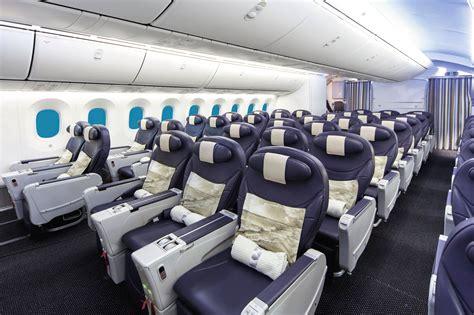
The real transformation lies in cabin mix economics. Premium seats—business class, premium economy, and first class—are generating a disproportionate share of revenue relative to capacity. On long-haul routes, premium cabins can account for over half of total flight revenue despite representing a minority of total seats.
This shift reflects changing traveler behavior. Leisure passengers are increasingly “trading up,” allocating more of their travel budget to comfort and privacy. Remote work flexibility has blurred the line between business and leisure travel, fueling demand for upgraded experiences on transatlantic routes.
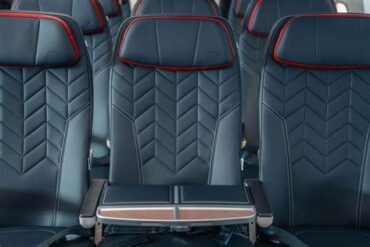
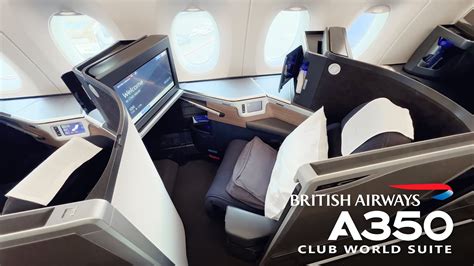
For British Airways, premium cabin investments such as the Club Suite have strengthened competitive positioning against US and Middle Eastern carriers. High-yield passengers prioritize direct aisle access, improved privacy, and upgraded catering. When these product improvements align with a dominant route network, pricing resilience follows.
Margin Expansion in a Volatile Aviation Environment
Aviation remains exposed to forces beyond any airline’s control—fuel price fluctuations, airspace restrictions, labor negotiations, and currency volatility. Yet IAG’s operating margin of 15.1% demonstrates disciplined cost management alongside revenue optimization.
Fleet modernization has been central to this equation. New-generation aircraft like the Airbus A350 and A321XLR reduce fuel burn and maintenance costs while enhancing passenger comfort. Efficient aircraft not only lower per-seat operating costs but also make premium cabins more attractive, creating a reinforcing cycle of revenue strength and cost control.
At the same time, capacity growth has remained measured rather than aggressive. Rather than chasing volume, IAG has prioritized profitable deployment. This approach avoids the classic airline trap of oversupply eroding yields.
British Airways’ Central Role in IAG’s Financial Surge
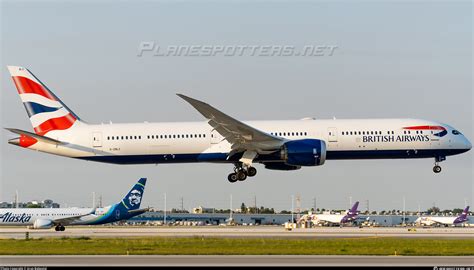
As IAG’s largest subsidiary, British Airways remains the cornerstone of the group’s profitability. Its Heathrow hub provides unparalleled connectivity between North America and Europe. Slot scarcity at Heathrow acts as a structural barrier to competition, supporting pricing stability on high-demand routes.
Premium-heavy configurations on flagship aircraft have further amplified yield performance. The airline’s transatlantic routes—particularly to major US business centers—benefit from strong brand recognition and corporate contracts.
However, the strategy is not solely dependent on London. Iberia’s Madrid hub offers a competitive alternative gateway between Europe and the Americas, particularly Latin America. Aer Lingus leverages Dublin’s US preclearance facilities to create efficient connections. This multi-hub model diversifies risk and strengthens the transatlantic joint venture framework.
Strategic Discipline Over Short-Term Expansion
The aviation industry often oscillates between exuberant expansion and painful contraction. IAG’s 2025 results suggest a deliberate avoidance of that cycle. Revenue growth remained steady rather than explosive, but profit acceleration indicates disciplined yield management.
Premium demand cushioned fluctuations in economy leisure traffic. When US outbound leisure softened amid geopolitical tensions, higher-margin cabins sustained revenue integrity. That balance highlights the resilience embedded in a diversified cabin strategy.
Investors tend to reward predictability. The combination of expanding margins, rising earnings per share, and improving free cash flow positions IAG for a stronger balance sheet in 2026. Management has expressed confidence in maintaining high-margin growth while generating significant free cash flow.
2026 Outlook: Sustained Premium and Transatlantic Momentum
Looking ahead, structural demand drivers remain intact. Long-haul travel continues to benefit from demographic growth, rising disposable income, and sustained interest in experiential spending. Transatlantic routes, in particular, maintain a blend of business, leisure, and visiting-friends-and-relatives traffic that diversifies revenue streams.
Fleet flexibility will be crucial. The Airbus A321XLR enables continued expansion into secondary US cities without diluting yields. Widebody aircraft modernization enhances cost efficiency while reinforcing premium positioning.
The broader competitive environment also favors disciplined operators. Airlines that balance capacity with demand—and invest in differentiated premium products—stand to capture disproportionate profitability. IAG’s 2025 performance demonstrates that premium seating is not merely an add-on; it is a structural revenue engine.
The Premium-Driven Profit Formula
The surge in profits at IAG illustrates a clear formula: dominate high-yield corridors, invest heavily in premium product, manage capacity conservatively, and deploy fuel-efficient aircraft strategically. Revenue growth of 3.5% may appear modest in isolation, but paired with a 13.1% jump in operating profit, it reveals powerful underlying economics.
In a sector where external shocks are inevitable, structural advantages matter. Market share on the North Atlantic, a diversified airline portfolio, premium cabin monetization, and disciplined cost control have collectively propelled IAG into a position of strength.
As 2026 approaches, the group’s trajectory suggests that premium demand and transatlantic connectivity will remain central pillars of profitability. For investors and industry observers alike, the message is unmistakable: in modern aviation, margin beats volume—and premium seats are the catalyst driving sustained financial performance.