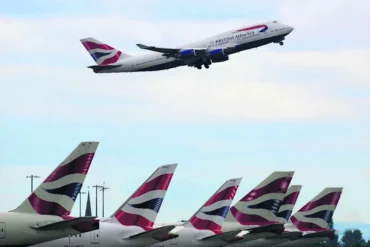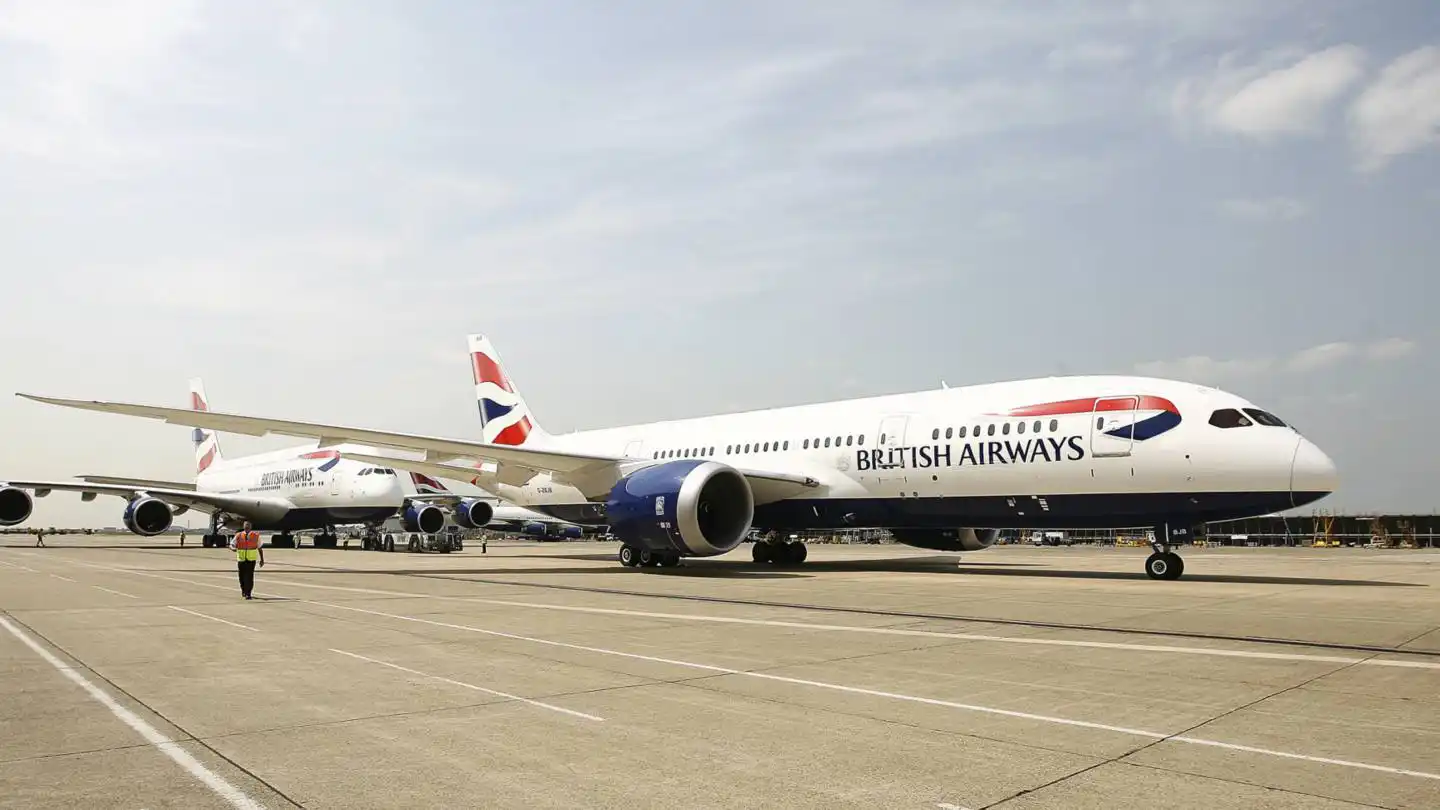
The parent company of British Airways, International Airlines Group (IAG), is on the brink of finalizing a significant order for approximately 30 Boeing 787 Dreamliner jets, marking a notable victory for the American aerospace giant in the evolving landscape of global aviation. This move, expected to be a critical component of IAG’s ongoing fleet modernization strategy, also signals a strengthening of transatlantic economic ties following the recent US-UK trade agreement.
IAG’s Strategic Move Amid Industry Recovery
The reported deal, potentially valued at around $10 billion, aligns closely with the recent trade pact celebrated by US Commerce Secretary Howard Lutnick and former President Donald Trump. This agreement aims to reduce barriers and foster smoother economic relations between the two nations, a crucial step as the aviation sector strives to recover from the shocks of recent years.
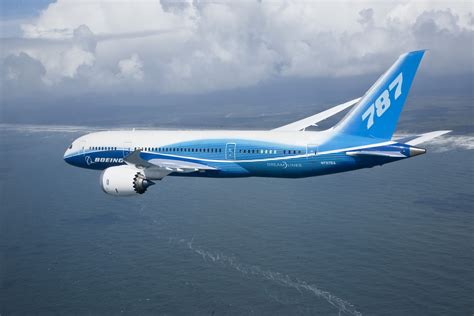
The order is expected to include options that could further expand the deal, providing IAG with increased flexibility as it competes in the rapidly evolving global market. As Boeing’s largest customer in the UK, IAG’s endorsement of the 787 Dreamliner signals continued confidence in the US manufacturer, even as European rival Airbus SE remains a formidable contender with its A350 and A330neo models.
The Significance of the 787 Dreamliner
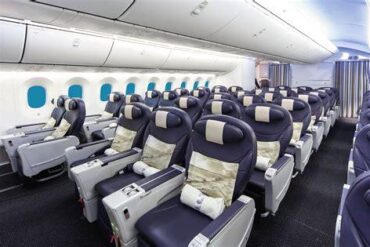
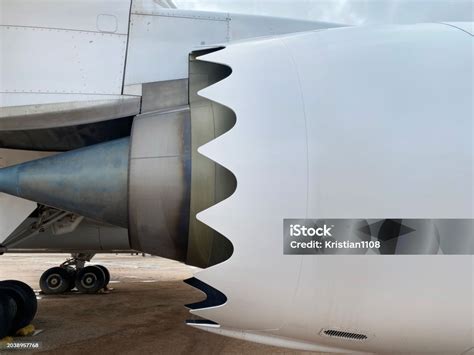
The Boeing 787 Dreamliner has become a critical asset for airlines aiming to balance operational efficiency with passenger comfort. Known for its long range, advanced composite materials, and fuel efficiency, the 787 has become a staple for long-haul routes. General Electric Co. (GE) will supply the engines for this fleet, providing a reliable power solution that further cements Boeing’s advantage in this competitive market.
- Key Features of the Boeing 787 Dreamliner:
- Lightweight composite fuselage, reducing fuel consumption by up to 20%.
- Advanced aerodynamics for improved speed and efficiency.
- State-of-the-art cabin pressurization and humidity controls for enhanced passenger comfort.
- Advanced engine options, including GE and Rolls-Royce turbines.
Strategic Implications for Boeing and the US Economy
For Boeing, this order represents a critical win at a time when the manufacturer is working to recover from a series of setbacks, including supply chain disruptions, labor strikes, and geopolitical challenges. The deal, if confirmed, will provide much-needed stability and market confidence, supporting a recovery in Boeing’s share price, which recently climbed as much as 5% in New York trading.
Moreover, the timing of this order coincides with a broader effort by the Biden administration to strengthen US manufacturing exports. Aircraft remain one of the few sectors where the US maintains a significant trade surplus, making deals like this a critical component of the nation’s economic strategy.
Challenges and Opportunities in the Transatlantic Aviation Market
Despite this significant boost, Boeing still faces considerable competition. Airbus, buoyed by strong demand for its fuel-efficient A350, remains a formidable rival, and the transatlantic market is expected to be a critical battleground as airlines seek to optimize their fleets for post-pandemic recovery.
Additionally, while the recent US-UK trade agreement reduces some of the regulatory barriers, ongoing disputes over tariffs and government subsidies continue to cast a shadow over the industry. Both the European Union (EU) and China have expressed concerns about US trade policies, and further turbulence in these relationships could impact future orders.
Conclusion: A Calculated Bet on the Future
As IAG prepares to finalize this landmark order, the broader implications for the industry remain significant. This decision underscores the importance of advanced, fuel-efficient aircraft in the competitive global market and highlights the ongoing geopolitical dynamics that shape the aviation sector.
With this move, IAG is betting on a sustained recovery in long-haul travel, a crucial component of its business model. For Boeing, the order serves as a timely affirmation of its position as a leading aerospace manufacturer, reinforcing its strategic foothold in the highly competitive widebody aircraft market.